Club News
The Expanding Impact of MLS on the World Cup

The growth and success of Major League Soccer has led to more players from around the world representing MLS at the World Cup, with this summer’s tournament expected to feature the highest total yet.
1998 was the first World Cup played after the launch of Major League Soccer. Here’s a breakdown of MLS-based players on World Cup rosters by year:
1998 – 18 (T-8th)
Tied with Liga MX for 8th most. This would the first and only time the USMNT World Cup roster
2002 – 11 (18th)
All 11 were from the USMNT
2006 – 15 (14th)
11 of the 15 were #USMNT players.
2010 – 6 (25th)
The lowest total to date. Only 6 MLS players, with 4 on the USMNT. This coincided with the peak of US players based in Europe.
2014 – 21 (10th)
Less than half were USMNT players, though the US still led the way the 10 most notably DeAndre Yedlin (20) getting the call.
2018 – 18 (11th)
This number likely would’ve been significantly higher had the USMNT qualified, potentially pushing MLS into the top 7–8 leagues.
2022 – 36 (6th)
The highest total yet, just behind Ligue 1 for 5th. Also worth noting, rosters expanded from 23 to 26 players for this tournament and the first time that the USA didn’t have the most players
Overall, the trend shows steady growth in MLS representation, both domestically and internationally.
MLS Pipeline Continues for the USMNT
It’s rare for a World Cup–qualified nation not to have a strong share of its players featured across tournament rosters. Canada was a recent exception in 2022, though their ties to MLS remain significant with multiple clubs in the league.
With roster selection less than a month away, it’s reasonable to expect that roughly a third of the #USMNT squad will come from MLS. Below is a positional breakdown of the MLS players Mauricio Pochettino has called in during his tenure as USMNT manager.
Goalkeepers
The USMNT is set to start an MLS-based goalkeeper at a World Cup for the first time, with all of the top options currently playing in MLS.
Chris Brady is one of the goalkeepers I’m most excited to watch in the coming cycles. He’s been performing at a high level in Major League Soccer and looks like a strong candidate to fill the long-term role as the USMNT’s primary starter over the next few cycles.

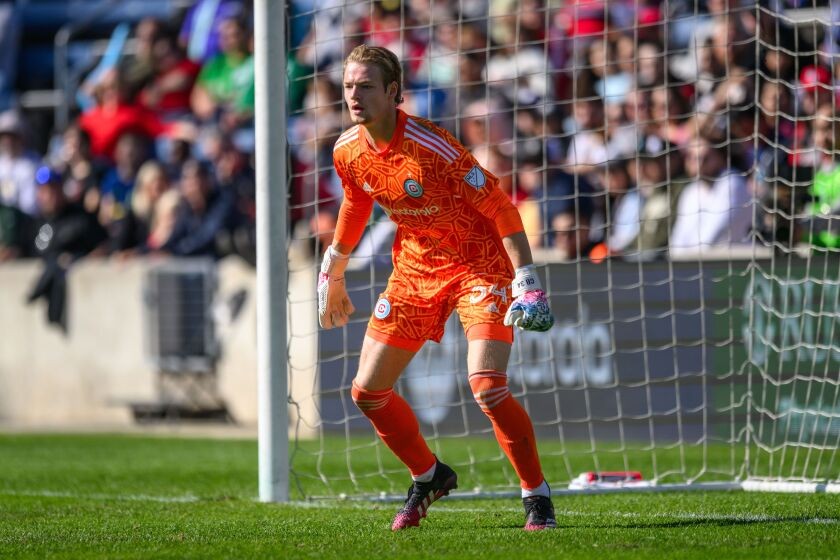
Chris Brady
Roman Celentano
Matt Freese
Patrick Schulte
Matt Turner
Defenders
Veteran center-backs Tim Ream and Miles Robinson seem likely to be selected with Blackmon a possibility depending on the health of the remaining pool. Arfsten seems to be almost a lock due to his ability to attack and create scoring chances with his crosses from the wing.

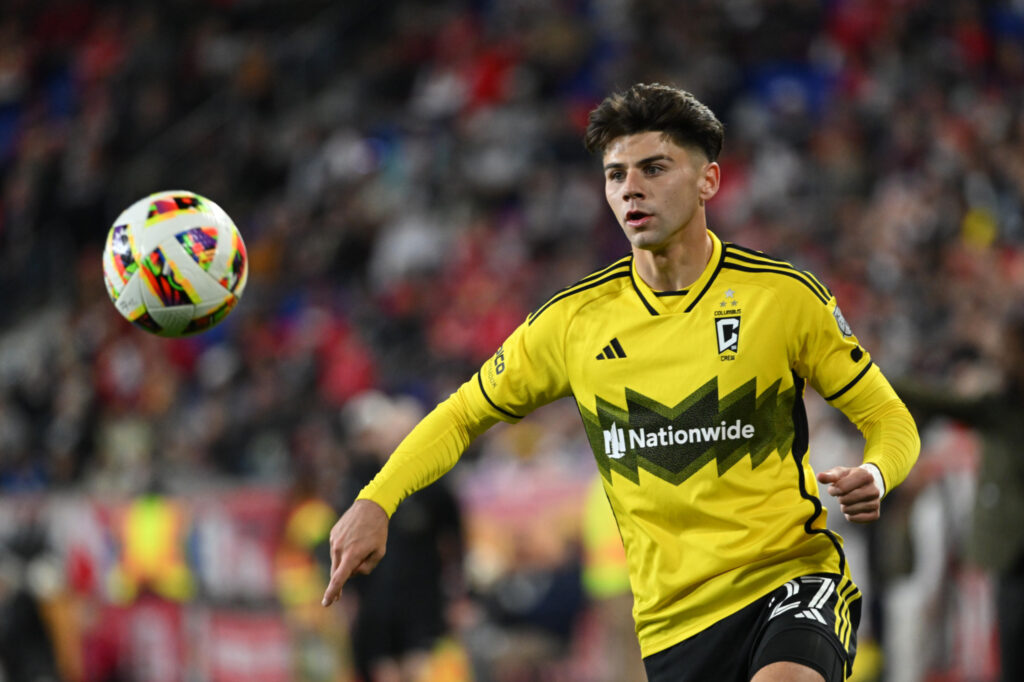
Max Arfsten
Tristan Blackmon
Tim Ream
Miles Robinson
Midfielders
The USMNT has strong depth in midfield, and Mauricio Pochettino’s recent roster selections suggest he’ll likely round out the squad with some of the players listed below.
One of the biggest gaps in this USMNT roster is the true dynamic, creative spark in the attacking third. Diego Luna stands out in that role, capable of unsettling defenses, breaking lines, and changing the rhythm of a match. He’s exactly the type of player who could thrive in a super-sub role, coming on against tired legs and making an impact at this summer’s World Cup.

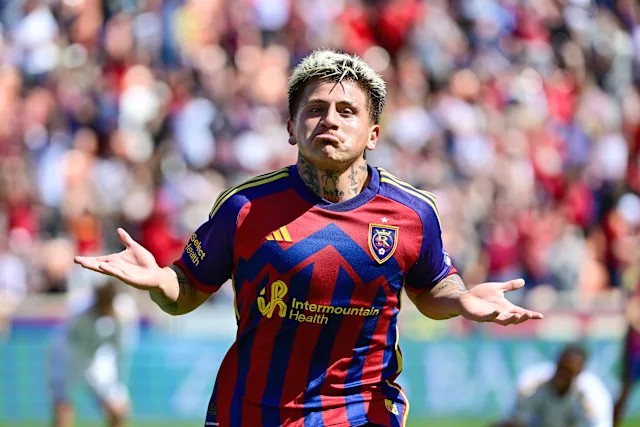
Sebastian Berhalter
Diego Luna
Jack McGlynn
Cristian Roldan
Timothy Tillman
Forwards
Striker may be the toughest position for the MLS group to crack the #USMNT World Cup roster, but Brian White is making a strong case, scoring eight goals in his first nine MLS matches at the time of writing.
Brian White is a highly productive, “old-school” style striker for the USMNT, known for his elite positioning, relentless work rate, and ability to finish in a variety of ways. That combination makes him a strong option as a striker off the bench, where he could be especially dangerous against tired defenses at this summer’s World Cup.

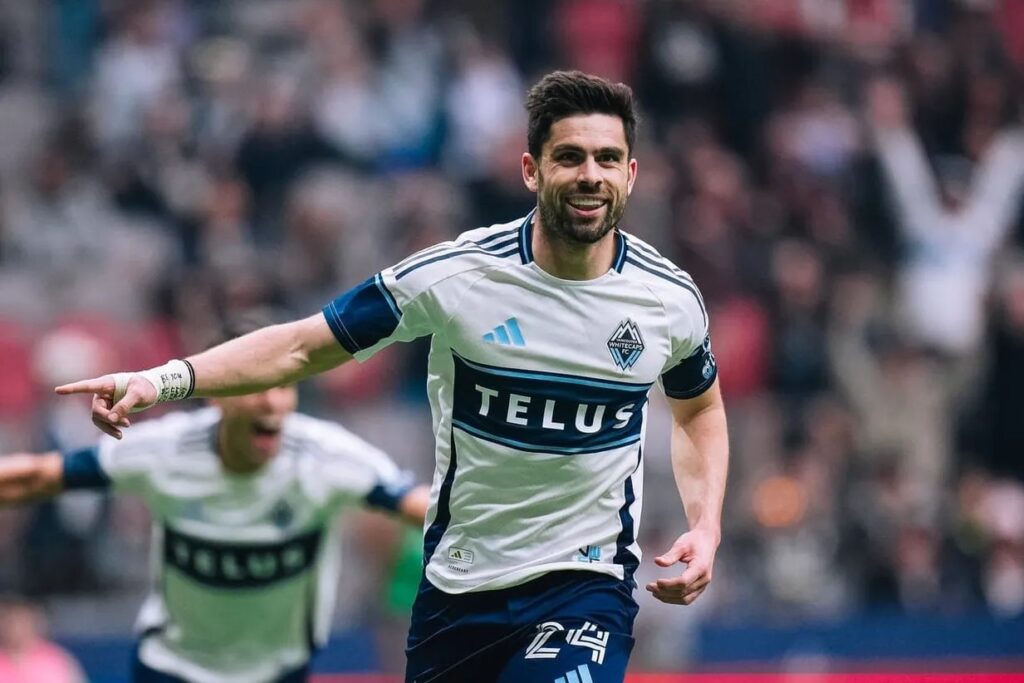
Paxten Aaronson
Josh Sargent
Brian White
MLS Representation in the USMNT Player Pool
Since 1998, the last time the majority of a USMNT World Cup roster was composed primarily of MLS-based players, it has become increasingly clear that a meaningful portion of the squad still comes from MLS. Consistently, roughly 30–40% of the roster has been drawn from the domestic league, reflecting a long-standing and relatively stable trend in player selection over time which I don’t seen changing anytime soon.