USMNT
The More Things Change, The More They Remain the Same

Thomas Deschaine (@uskeeper on X and us_keeper on Instagram)
In light of the recent resignation of Matt Crocker, I revisited something I wrote nearly a decade ago, an early attempt to capture what I called the “Dark Decades of US Soccer.” At the time, the piece was overly long and packed with detail—probably more than today’s audience would stick with.
But buried in that work were meaningful patterns, clear, recurring behaviors that shaped how the federation operated more than 60 years ago. What stood out most, looking back now, is how familiar some of those patterns still feel today.
So, I went back, stripped the piece down, and pulled out the most relevant sections, those that highlight the parallels between past and present. The goal isn’t to draw conclusions for you, but to put those similarities side by side and let you decide: how much has really changed?
World Cup Momentum to the First American Soccer Boom

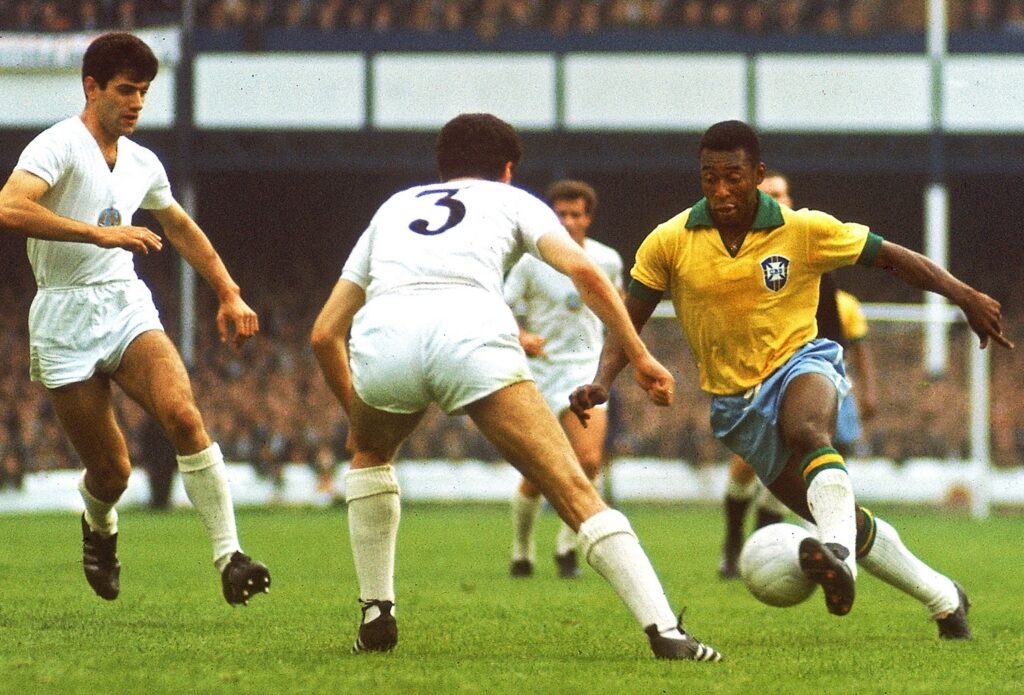
Photo of Pele at the 1966 World Cup
Photograph: AP Photo
After the success and popularity of the 1966 World Cup which saw over one million viewers of the tournament many America investors saw the vision and believed that there was the market for soccer in the United States and Canada.
The investors moved very quickly and in 1967 there were two American professional leagues making their debuts the USSFA-sanctioned United Soccer Association (USA) and the independent National Professional Soccer League (NPSL).
These leagues would only last one year and be merged at the request of FIFA into the North American Soccer League (NASL) kicking off in 1968 and relying on mainly on foreign talent. The American investors believed building the interest in soccer in the US would have a direct impact on the growth and performance of the US Men’s National team which and of course more money for the investors and federation.
First Attempt at Modernizing the USMNT

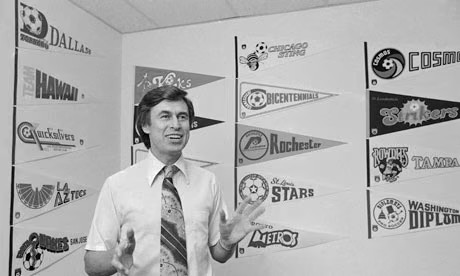
Phil Woosnam, in 1977 as the commissioner of the NASL.
Photograph: AP Photo
Off the back of the success of the inaugural NASL season, the U.S. Soccer Federation appointed Phil Woosnam, fresh off leading the Atlanta Chiefs to a championship and earning Coach of the Year honors, to take charge of the U.S. Men’s National Team.
Woosnam immediately shifted the structure of the program. Instead of a player pool selected by committee, he pushed decision-making toward the coaching staff, allowing selections to be based on performance and fit rather than geography or internal bias. The move was not universally welcomed, and it reportedly created friction with members of the federation’s leadership.
With professional players now more fully available, Woosnam’s approach helped assemble what was widely considered the strongest possible squad at the time. He also introduced organized training camps ahead of friendlies and World Cup qualifiers, an uncommon practice in that era, but one that clearly improved cohesion and preparation. Those changes contributed to the U.S. advancing further in World Cup qualifying than it had in previous cycles.
By early 1969, the USMNT appeared to be building real momentum toward a potential place in the 1970 World Cup. However, tensions between Woosnam and the federation began to escalate. Frustrated with compensation issues and growing interference from the USSF in team operations, Woosnam stepped away from the national team in the spring of 1969. become commissioner of the NASL.
Following his departure, assistant coach Gordon Jago took over as manager. His tenure began under difficult circumstances, with not being able to set up pre-qualifying friendlies, an important part of the progress made under Woosnam along with interference from USSF board members as it related to roster selection which created instability and morale issues on the field. The USMNT struggled in qualifying and ultimately fell short, losing both matches to Haiti, a team they had previously been competitive with in a series of friendlies in 1968.
The Crocker Era: Coaching Chaos and Course Corrections

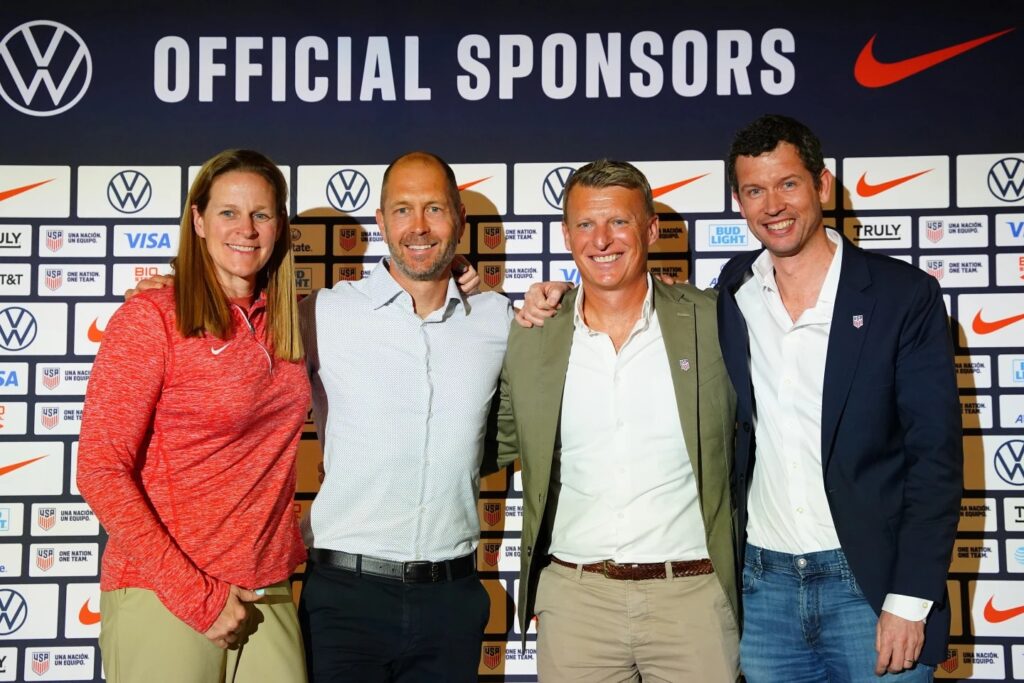
Photo of Cindy Parlow Cone, Gregg Berhalter, Matt Crocker and JT Batson
Photograph: AP Photo/Lucas Peliter
It’s been roughly three years since the Matt Crocker era began at U.S. Soccer, when he stepped in as Sporting Director, replacing Earnie Stewart.
One of Crocker’s first major responsibilities was hiring the next U.S. Men’s National Team manager. In the previous cycle, the federation had reportedly operated with a narrow set of internal criteria, preferences widely believed to favor English-speaking and American candidates, which significantly limited the coaching pool and shaped the direction of the search.
Roughly two months later, during the Concacaf Nations League semifinal window, it was announced that Gregg Berhalter would be reappointed as USMNT head coach. The decision caught many around the program and in the media off guard, raising questions about how the process had ultimately unfolded.
More recently, in an interview with GiveMeSport, Jesse Marsch stated he was effectively told he was set to become the next USMNT head coach in the late spring of 2023, only for that opportunity to be withdrawn at the last moment, a shift that reportedly had ripple effects on a potential move to Leicester City that was nearing completion.
The abrupt reversal and eventual rehiring of Berhalter has been widely attributed to a mix of factors, including rumored influence from within the player pool, with U.S. Soccer ultimately reversing course. Roughly a year later, after a disappointing Copa América campaign on home soil, Berhalter was dismissed.
Crocker’s second opportunity to reset the program took a different direction. He first secured the high-profile appointment of Emma Hayes, one of the most accomplished managers in women’s football, to lead the USWNT. That move was followed by the hiring of Mauricio Pochettino for the USMNT, a tenure that has delivered mixed early results and will ultimately be judged through the lens of the 2026 World Cup on home soil but truly disappointed that Crocker wouldn’t see through what he helped build, and you have to ask yourself why?