USMNT
The Return of Third-Place Qualifiers at the FIFA World Cup

Thomas Deschaine (@uskeeper on X and us_keeper on Instagram)
The expansion of the 2026 FIFA World Cup from 32 to 48 teams will dramatically change the race to reach the knockout stage. Under FIFA’s new format, the top eight third-place teams will advance to the Round of 32 alongside the top two teams from each group.
For the past seven World Cups, only the top two teams in each group have advanced to the knockout stage. The last time third-place teams moved on was at the 1994 World Cup, where the USMNT benefited from the format before losing to eventual champions Brazil in the Round of 16.
So how many points will teams need to advance in 2026?
History suggests that five points should safely secure a place in the knockout stage. Across the past seven World Cups, every team with five or more points advanced out of the group stage.
Three points, however, has almost never been enough. The only team to advance with just three points during that span was Chile at the 1998 World Cup.
Four points has produced mixed results. At the 2022 World Cup, three groups featured two teams finishing on four points, but only one team from each of those situations advanced. Similar scenarios also occurred at the 2010 and 2002 World Cups.
Overall, 46 teams have finished the group stage with four points since 1994, but only 20 advanced to the knockout stage. The USMNT accounts for three of those successful four-point campaigns, advancing in 1994, 2002, and 2014.
1986 World Cup

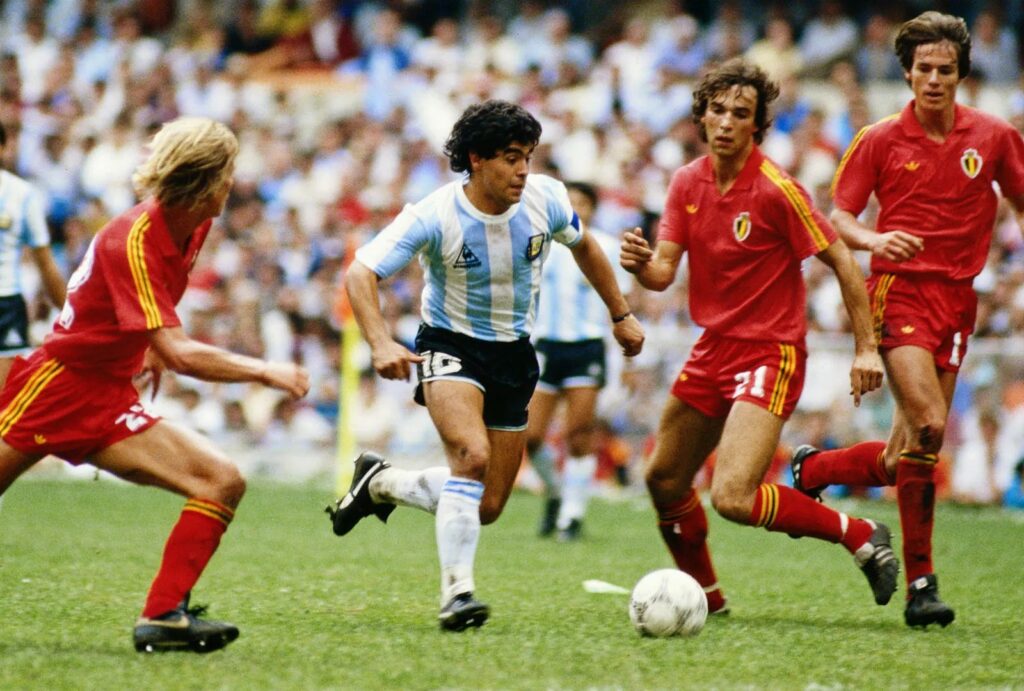
Semi-Finals Match between Belgium and Argentina
The 1986 World Cup was the first tournament with 24 teams to allow four third-place group stage teams to advance to the knockout round. While the 1982 World Cup also featured 24 teams, it used a different format with a second round made up of four groups of three teams, with only the group winners advancing to the semi-finals.
One of the most notable aspects of the 1986 World Cup was that two teams advanced to the knockout stage with just two points, something that seems highly unlikely under the format for the 2026 World Cup.
Among the third-place qualifiers, Belgium made the deepest run, reaching the semi-finals before losing to eventual champions Argentina.
1990 World Cup

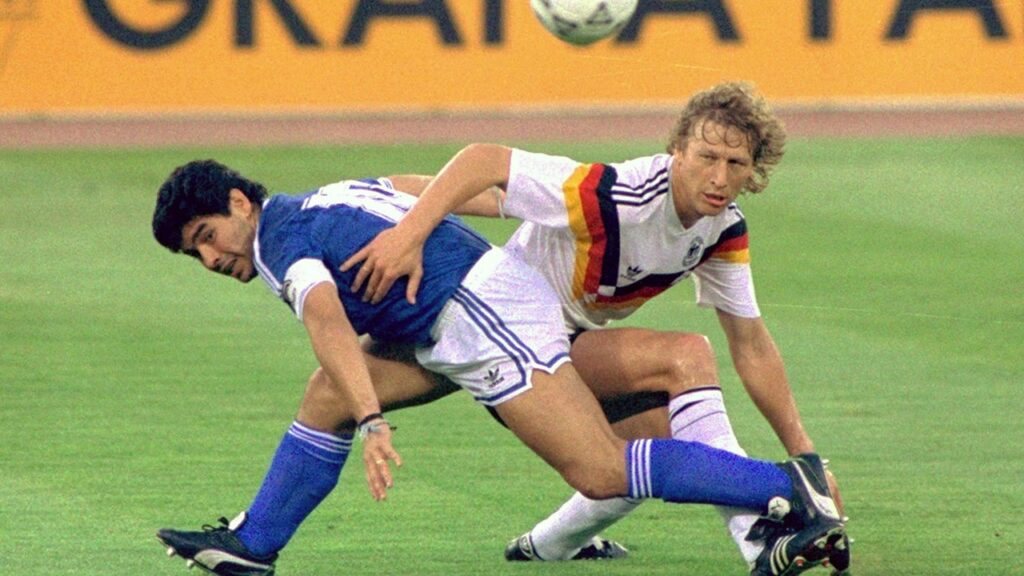
World Cup Final Argentina against Germany
At the 1990 World Cup, every third-place team that advanced to the knockout stage finished with three points. The biggest surprise was Argentina, the highest-ranked third-place team, making an incredible run all the way to the World Cup Final before falling 1-0 to Germany.
1994 World Cup

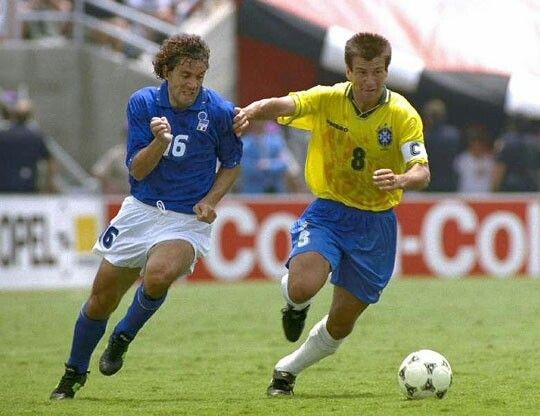
The 1994 World Cup was arguably the most fascinating tournament when it came to the impact of third-place teams advancing to the knockout stage and likely played a major role in FIFA’s decision to expand the tournament to 32 teams in 1998.
Here’s a look at the top five FIFA World Cup group stage tiebreakers, which will almost certainly come into play this summer, especially when it comes to ranking the third-place teams.
- Overall Goal Difference: The greatest goal difference in all group matches.
- Overall Goals Scored: The greatest number of goals scored in all group matches.
- Head-to-Head Points: The greatest number of points obtained in the group matches between the teams concerned.
- Head-to-Head Goal Difference: Superior goal difference in the group matches between the teams concerned.
- Head-to-Head Goals Scored: The greatest number of goals scored in the group matches between the teams concerned.
Both Group D and Group F saw three teams finish with six points, something that has not happened at the FIFA World Cup since. That created dramatic tiebreaker scenarios that ultimately determined where all six teams finished in their groups. Of those six teams, only two reached the quarterfinals, with Bulgaria making the deepest run by reaching the semi-finals.
Group E may have been the most fascinating group of the 1994 World Cup. Mexico, Ireland, Italy, and Norway all finished with four points and an identical goal differential of zero. Norway was eliminated after scoring just one goal, the fewest in the group.
Italy, meanwhile, advanced as a third-place team and went all the way to the World Cup Final before losing to Brazil in a penalty shootout, an incredible run considering how close they came to being eliminated in the group stage.
Will the 2026 World Cup Deliver Another Chaotic Group Stage?
With the World Cup expanding to 48 teams, the traditional “group of death” may not carry the same weight at the 2026 tournament. Still, that doesn’t mean the group stage will lack drama. Fans will be hoping for the kind of chaotic and unpredictable scenarios that made the 1994 World Cup so memorable, where final group matches carried massive stakes and teams were fighting for survival until the final whistle.
From an entertainment perspective, more meaningful matches late in the group stage would be a huge boost for the tournament, but only time will tell if the expanded format can truly deliver that same level of tension and excitement.