USMNT
Side by Side: The Looking at USMNT Center Back Pairings – Past & Present

If the March 2026 window revealed anything about the United States men’s national soccer team, it’s that their center-back group, whether in a two- or three-man setup, lacks cohesion heading into the 2026 FIFA World Cup. The partnership, continuity, and communication between center backs are critical to organizing the entire defense, and right now, that foundation doesn’t look fully settled.
That realization prompted a look back over the past 40 years, examining the different center-back pairings, how they developed chemistry, and the impact those partnerships had on the USMNT at the highest level.
The Steadfast Anchor of the 1990 USMNT Defense

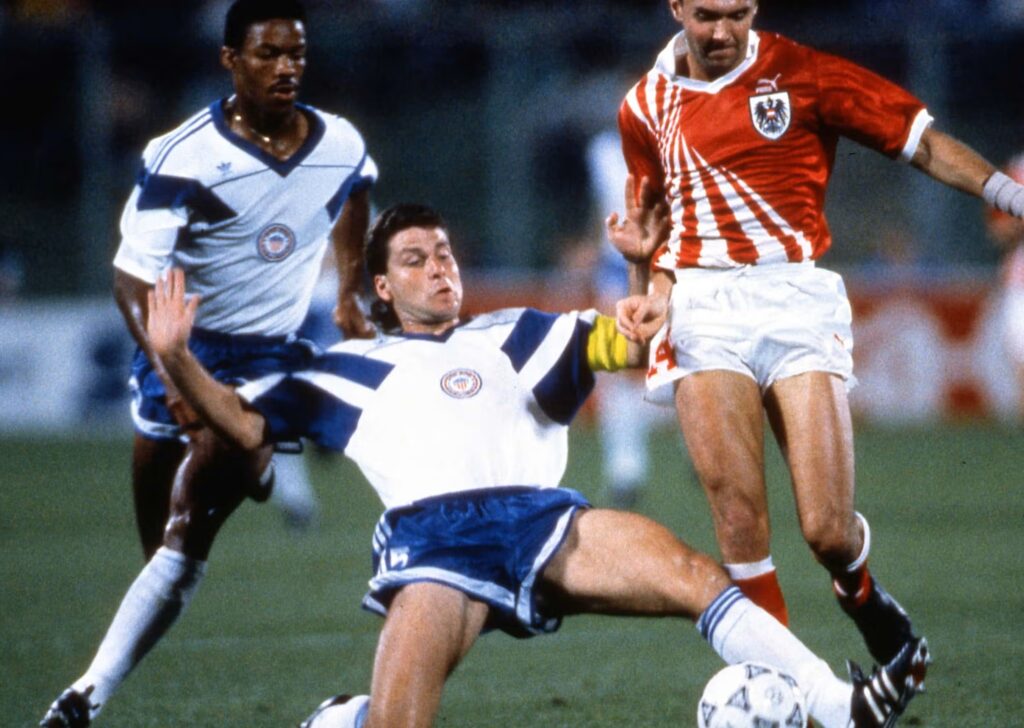
Mike Windischmann, captain of the 1990 USMNT World Cup team, was a cornerstone of the squad throughout the 1990 cycle. For much of that period, he was paired at center-back with Steve Trittschuh, though the two didn’t start together at the World Cup itself. Windischmann also formed defensive partnerships with John Doyle, Marcelo Balboa, and Paul Caligiuri at various points. At the World Cup, he teamed up with Jimmy Banks in two of the three matches, providing leadership and stability at the heart of the U.S. backline.
Trailblazers Building a Solid Back Line for the Future

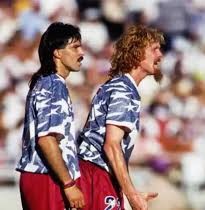
Much like the 1990 cycle, Marcelo Balboa was a constant presence on the USMNT back line, whether playing as a sweeper under Bora Milutinović or in a back three with six midfielders in front of him under Steve Sampson. He formed key partnerships with emerging talents like Alexi Lalas, who joined the team in 1992, and dual-national Thomas Dooley. This defensive core enjoyed significant successes throughout the 1994 and 1998 cycles, including advancing out of the group stage at the 1994 World Cup, defeating Argentina at the 1995 Copa América, and taking Brazil to the brink in a hard-fought semifinal.
A Defensive Anchor in U.S. Soccer History

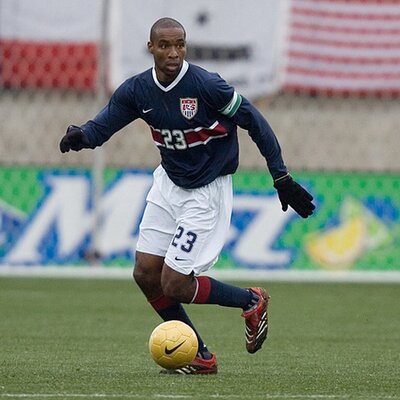
Widely regarded as one of the top center-backs in U.S. men’s national team history, Eddie Pope featured in three consecutive FIFA World Cups (1998, 2002, and 2006), starting in all three for the USMNT. At the 2002 tournament, he anchored a formidable back line alongside Tony Sanneh and Jeff Agoos, forming a disciplined and resilient defensive unit for the United States men’s national soccer team. That group played a key role in one of the program’s deepest modern World Cup runs, but does it stand as the best defensive unit the USMNT has ever produced?
A Peak Partnership Interrupted

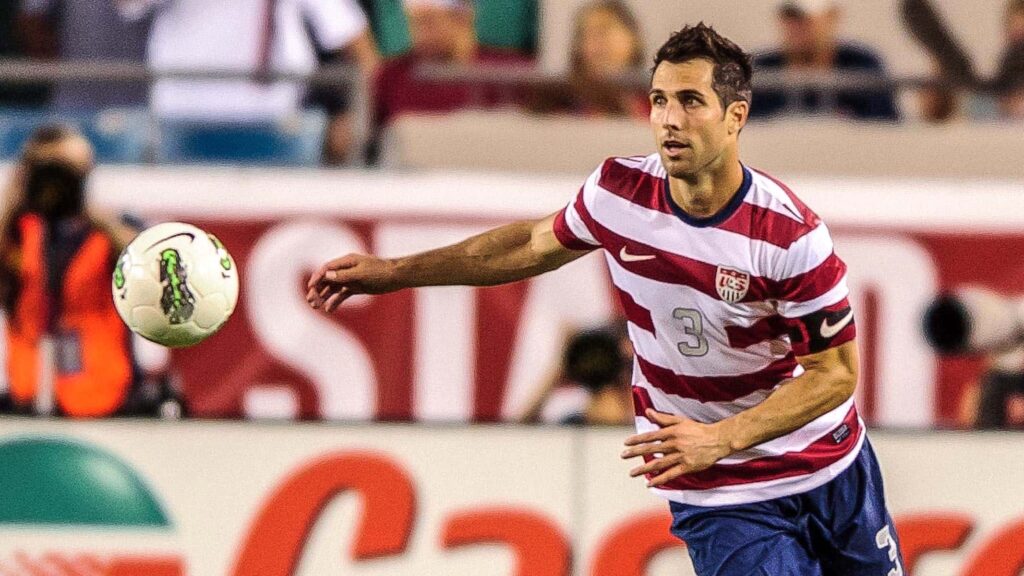
For me, one of the strongest center-back pairings in United States men’s national soccer team history emerged during the 2010 cycle, anchored by Carlos Bocanegra and Oguchi Onyewu. The duo arguably reached their peak at the 2009 Confederations Cup, forming a physically dominant and well-organized backbone.
Unfortunately, Onyewu’s injury leading into the 2010 World Cup limited his effectiveness, preventing the partnership from carrying that same level into the tournament. In his absence, Jay DeMerit stepped in seamlessly, providing valuable depth and steady performances, highlighting the overall strength of the USMNT’s center-back pool during that period.
From Breakthrough to Breakdown
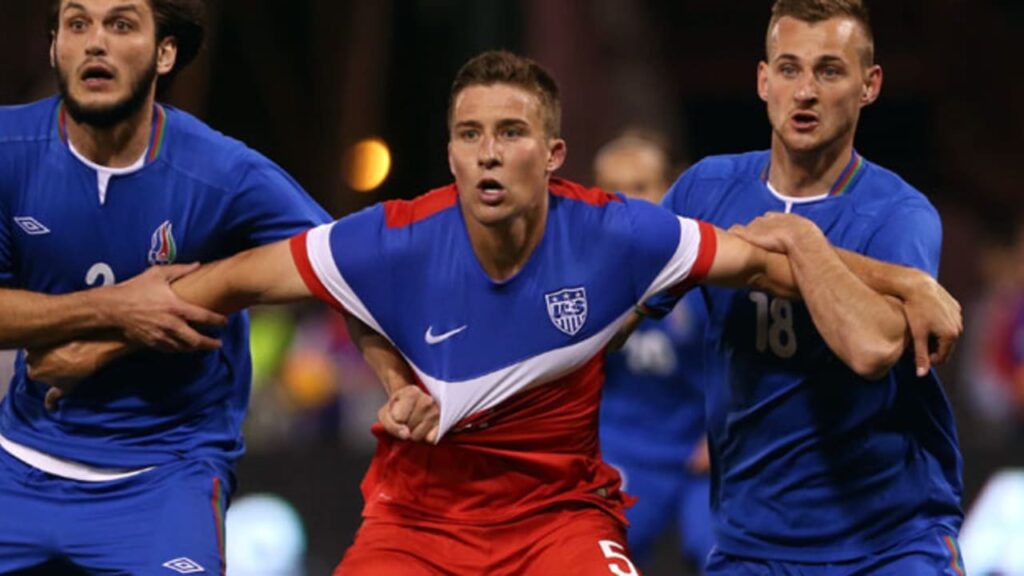
The center-back pairing of Omar Gonzalez and Matt Besler came together late in the 2014 cycle but quickly developed into a reliable and cohesive duo at the 2014 FIFA World Cup. Their understanding and physical presence helped stabilize the back line on the world stage.
That tournament also introduced a rising presence in John Brooks, who memorably scored the game-winning goal against Ghana after Besler picked up a knock, announcing himself in a major moment.
As the cycle turned toward 2018, Brooks continued to establish himself, often partnering with Geoff Cameron, while Gonzalez and Besler remained in the mix depending on form and fitness. However, as the 2018 cycle progressed, inconsistency and a lack of cohesion among the center-backs became an issue, one of several factors that ultimately contributed to the United States men’s national soccer team failing to qualify for the 2018 FIFA World Cup.
Emerging Stability Ahead of the 2022 World Cup

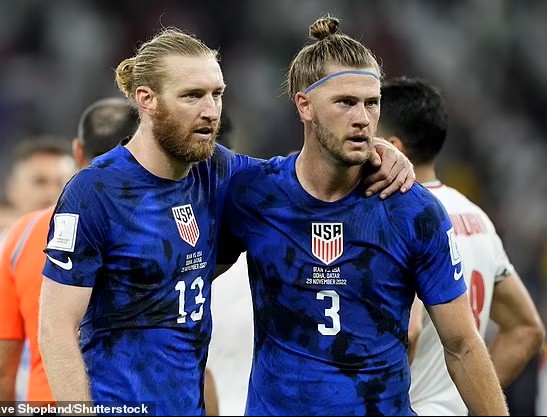
Heading into the 2022 FIFA World Cup, the United States men’s national soccer team faced real uncertainty at center back, with no clear anchor or leader emerging. That quickly changed, as Tim Ream stepped in and solidified himself as the steadying presence of the back line.
A major turning point came when Miles Robinson suffered a ruptured Achilles tendon in the summer leading up to the tournament—a significant blow given his form and importance to the group. His absence opened the door for Walker Zimmerman, who had already been in contention, to establish a strong partnership alongside Ream.
Meanwhile, Aaron Long, returning from his own Achilles injury in 2021, earned a place on the roster, and Cameron Carter-Vickers also featured, with both players contributing minutes during the tournament. Together, this group brought stability to a position that had looked unsettled just months earlier.
2026 at Center Back Uncertainty and Opportunity

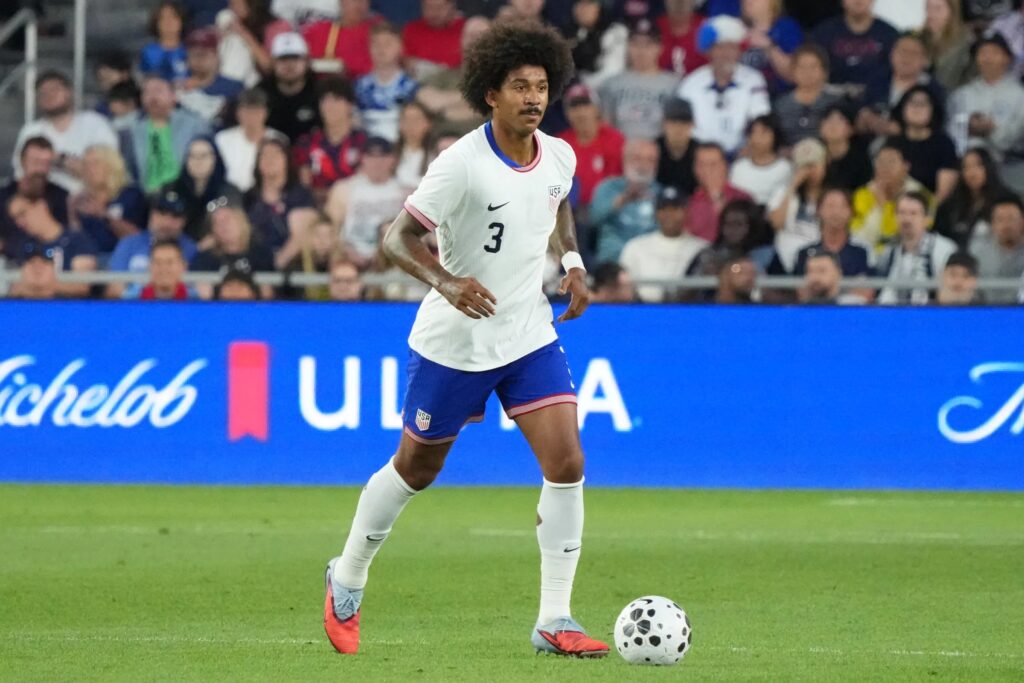
There are more questions than answers surrounding the United States men’s national soccer team center-back picture heading into the 2026 FIFA World Cup. Chris Richards appears to be a near lock, while Tim Ream, though still a trusted presence, has shown signs of decline compared to four years ago, yet could still find his way onto the roster based on experience and leadership.
A key variable will be how Mauricio Pochettino sets up tactically, particularly whether he opts for a two or three center-back system. In a back three, players like Joe Scally and Alex Freeman could slide into right center-back roles given their versatility, while Mark McKenzie and Auston Trusty provide options on the left. Miles Robinson also remains firmly in the mix as competition for a roster spot.
Perhaps the biggest unknown is Noahkai Banks. The 19-year-old dual national, currently playing in the Bundesliga, opted out of a recent USMNT camp while weighing his international future between the United States and Germany. If he ultimately commits, his emergence could significantly impact the depth and ceiling of the USMNT’s center-back pool heading into 2026.