USMNT
The USMNT’s World Cup Legacy: Highs, Lows, and Defining Moments

Thomas Deschaine (@uskeeper on Xhttps://x.com/uskeeper/ and us_keeper on Instagram)
The USMNT’s World Cup story stretches back nearly a century to the inaugural tournament in 1930. The 2026 FIFA World Cup will mark the United States’ 12th appearance on soccer’s biggest stage.
Over that time, the Americans have played 37 matches, earning 9 wins, 8 draws, and 20 losses, while scoring 40 goals and conceding 66. The U.S. has advanced to the knockout stage in seven of those tournaments.
Five different USMNT goalkeepers have recorded clean sheets at the World Cup, Matt Turner and Frank Borghi with two each, and Tim Howard, Brad Friedel, and Jimmy Douglas with one apiece.
The USMNT’s top World Cup scorers, Clint Dempsey, Landon Donovan, Brian McBride, and Bert Patenaude, all netted multiple goals in a single tournament, cementing their places in U.S. soccer history.
1930 – Uruguay
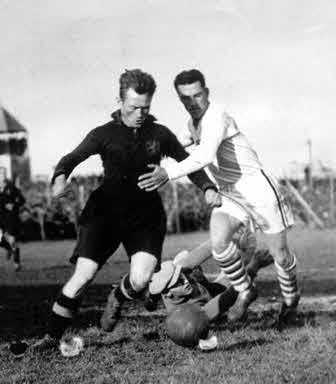
The inaugural World Cup in Uruguay saw the USMNT surprise the world by reaching the semifinals before falling 6–1 to Argentina. The U.S. dominated the group stage, defeating Belgium and Paraguay 3–0, with Bert Patenaude making history as the first player ever to record a hat trick at a World Cup. The Americans ultimately finished third, still their best result on the world stage to this day.

1934 – Italy
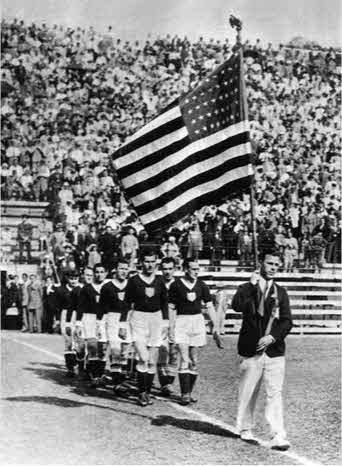
The USMNT’s 1934 World Cup appearance would be a brief one. Just days before the tournament began, the Americans secured qualification by defeating rivals Mexico 4–2 in Rome. Drawn straight into a knockout format, the U.S. faced host nation Italy in their opening match, falling 7–1. Aldo Donelli scored the team’s only goal, following up his remarkable four-goal performance from the qualifier.

1950 – Brazil
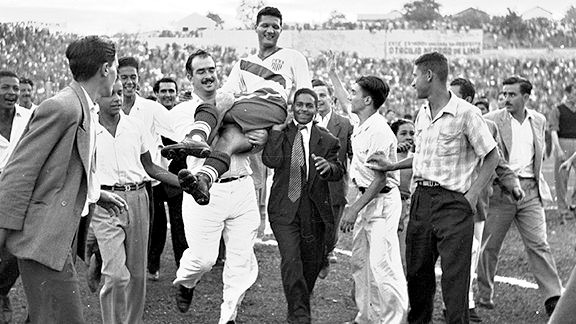
The USMNT pulled off arguably the greatest upset in World Cup history, and certainly their biggest win to date, by defeating England 1–0, thanks to Joe Gaetjens’ famous goal. Despite that historic triumph, the Americans fell 3–1 to Spain in their opener and 5–2 to Chile in their final group match, ending their tournament at the group stage.

1990 – Italy
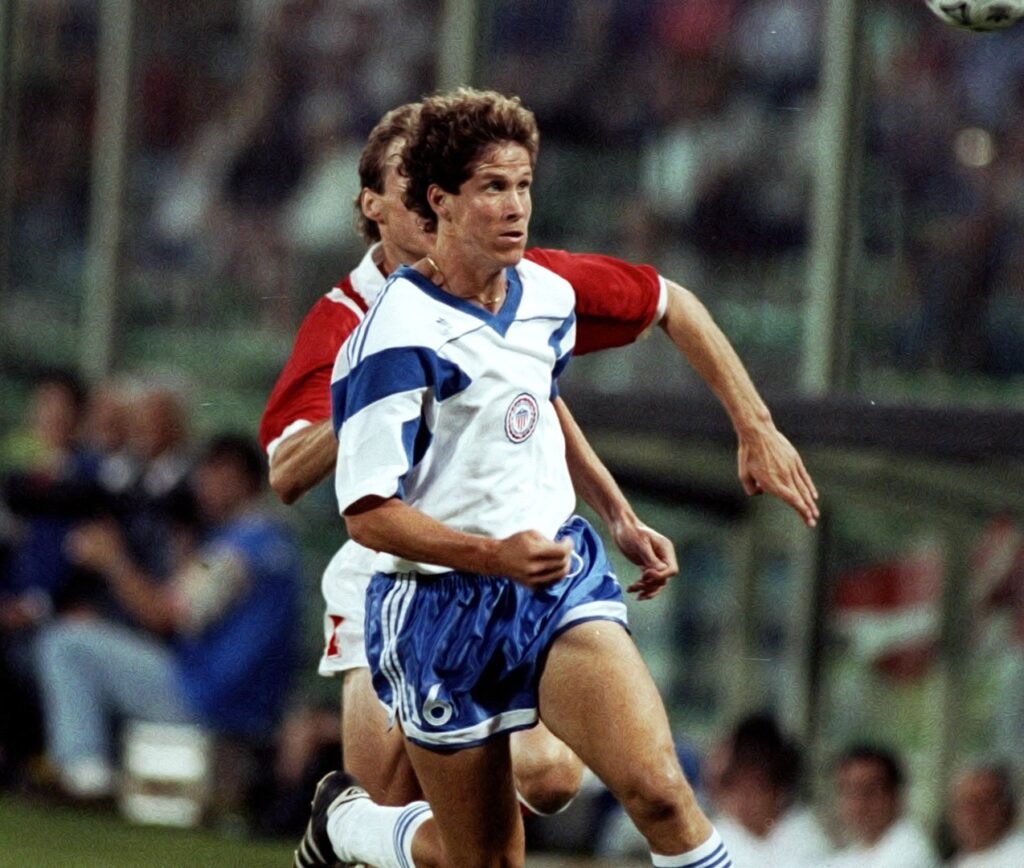
After a forty-year absence, the USMNT returned to the World Cup with a young, hungry, and largely untested squad. Despite a rough start, suffering a 5–1 loss to Czechoslovakia, the Americans rebounded with a hard-fought 1–0 victory over host and eventual third-place finisher Italy before narrowly falling 2–1 to Austria. The invaluable experience gained at this tournament would help lay the foundation for the team’s performance at the 1994 World Cup.

1994 – United States
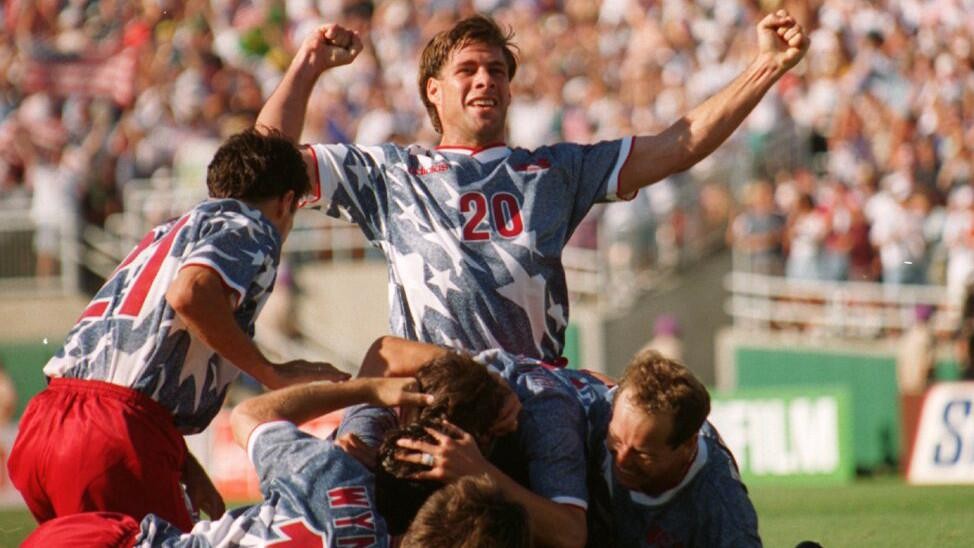
After several attempts to host a World Cup, the United States was finally awarded the 1994 tournament. The USMNT faced a very tough group but showed determination in all three matches. They opened with a 1–1 draw against Switzerland, with Eric Wynalda scoring a brilliant set-piece goal, still considered one of the best in World Cup history. In their second match, the Americans secured a 2–1 victory over a strong Colombian side, marking their first World Cup win since 1950. A narrow 1–0 loss to Romania in the final group match didn’t stop the U.S. from advancing to the Round of 16, where they were eliminated 1-0 by eventual champions Brazil. The 1994 World Cup had a lasting impact, helping to inspire and shape soccer culture in the United States.

1998 – France
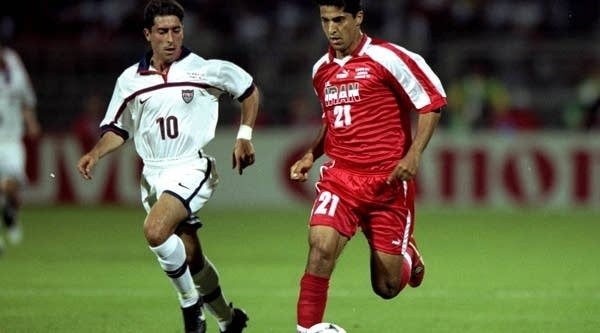
It was an up-and-down cycle for the USMNT, but their fourth-place finish at the 1995 Copa América had fans optimistic about the team’s potential heading into 1998. However, the shocking omission of longtime captain John Harkes, who had worn the armband 30 times, raised serious questions. Meanwhile, trailblazers from earlier cycles struggled to make an impact: Alexi Lalas didn’t play a single minute, Marcelo Balboa saw just eight minutes of action, and Eric Wynalda featured in only two matches for a total of 51 minutes. The Americans went on to lose all three group-stage games, finishing last among the 32 teams.

2002 – Korea / Japan
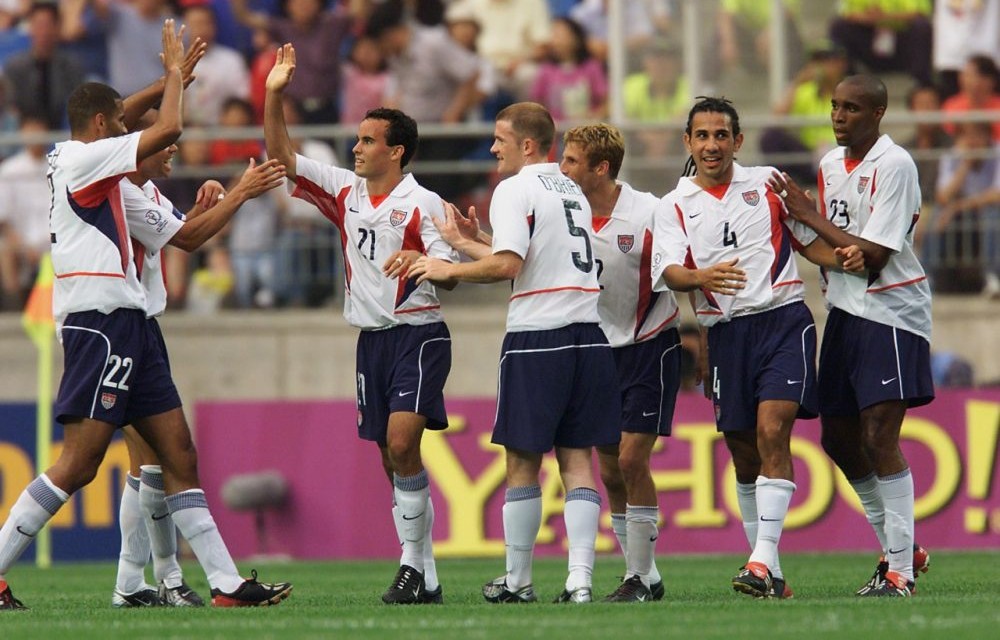
After a hard-fought qualifying campaign, the USMNT made a memorable run at the 2002 World Cup, advancing to the quarterfinals after a historic 2–0 win over regional rivals Mexico. The Americans put in a strong performance against Germany but were denied a potential equalizer when a clear handball went uncalled, ending their dream run with a narrow defeat. Landon Donovan’s breakout performance earned him the tournament’s Best Young Player award.

2006 – Germany
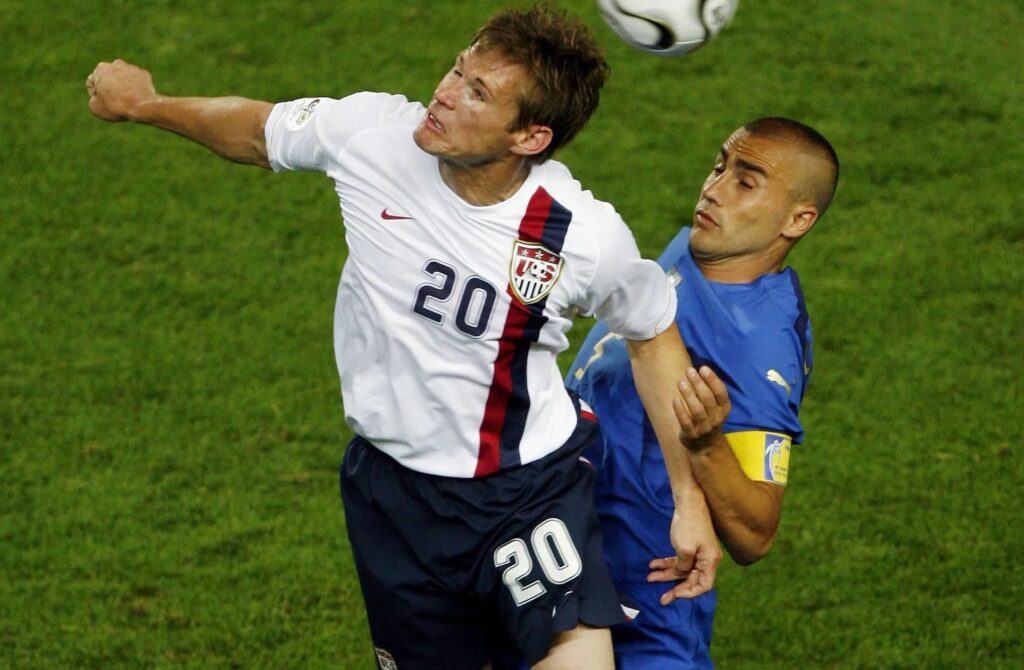
The USMNT entered the 2006 World Cup brimming with confidence, dreaming of another deep run. But drawn into a brutal Group of Death, those hopes quickly unraveled. A 3–0 loss to the Czech Republic stunned the team, though a fierce 1–1 draw with Italy briefly reignited belief. Then came heartbreak, a controversial penalty on Oguchi Onyewu doomed the US to a 2–1 defeat to Ghana and a shocking early exit.

2010 – South Africa
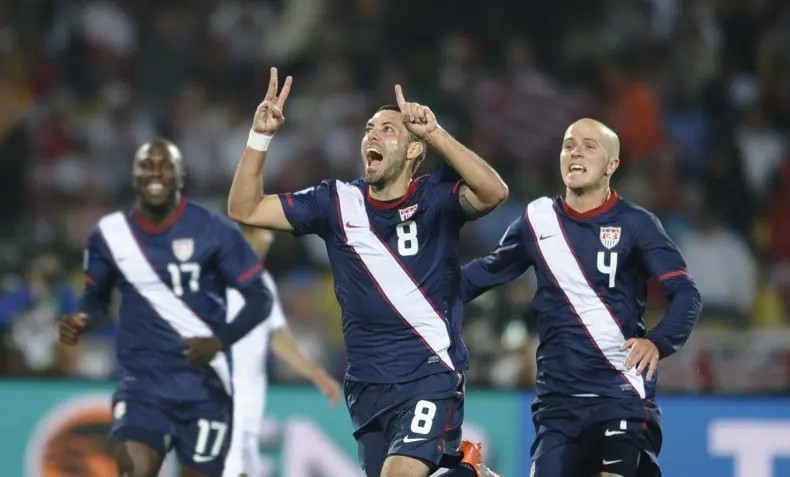
Riding the momentum of their 2009 Confederations Cup runner-up finish, the USMNT entered the 2010 World Cup with real belief and growing hype. Every match in South Africa was a test of grit and heart. The opener against England ended 1–1, with Clint Dempsey’s late first-half strike shocking the favorites. In their second match, the Americans stormed back from two goals down to draw 2–2, keeping their hopes alive. Then came one of the most iconic moments in U.S. soccer history, Landon Donovan’s stoppage-time winner against Algeria, sealing a dramatic 1–0 victory and a place in the knockout stage. But the dream ended in heartbreak, as Ghana once again eliminated the U.S. in extra time, 2–1.

2014 – Brazil
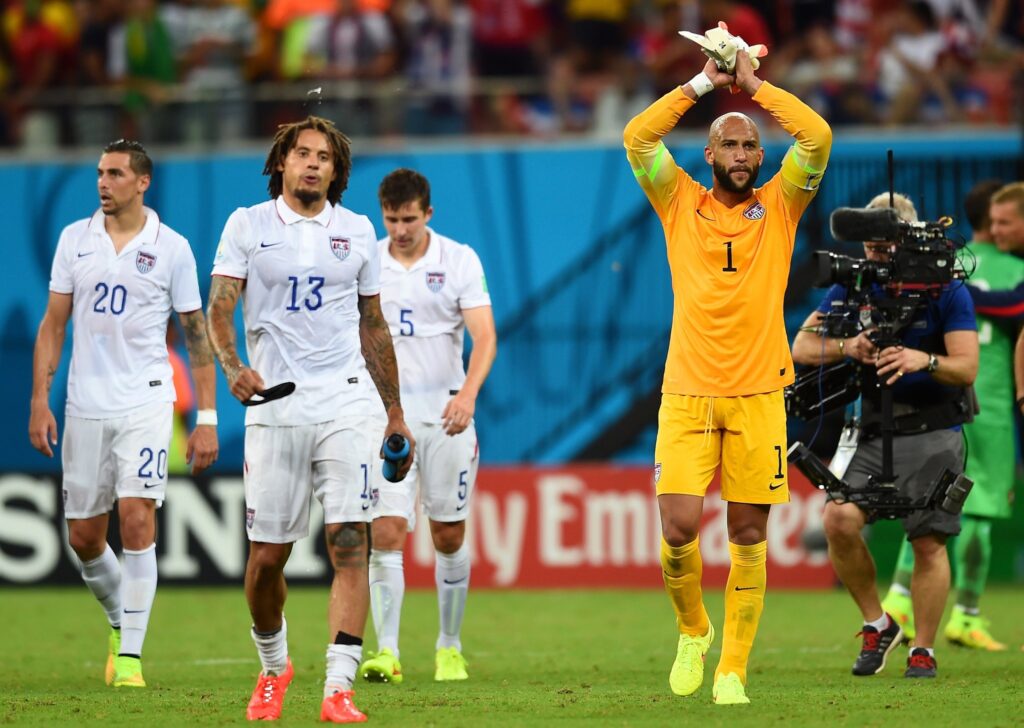
The mood heading into the 2014 World Cup was cautious after Jurgen Klinsmann’s shocking decision to leave Landon Donovan, the team’s all-time leader in goals and assists, off the roster. The USMNT opened against familiar nemesis Ghana, who had eliminated them in the previous two tournaments. This time, redemption arrived when substitute John Brooks headed home a late winner to seal a thrilling 2–1 victory. In their second match against powerhouse Portugal, the Americans came within seconds of back-to-back wins before a last-gasp equalizer from Silvestre Varela snatched away the dream. A 1–0 loss to Germany in the final group game proved enough to advance on goal difference. In the Round of 16, the U.S. faced Belgium’s golden generation, pushing the match into extra time behind Tim Howard’s record-breaking 16 saves, but ultimately fell 2–1 in a valiant defeat that earned global respect.

2018 – Russia
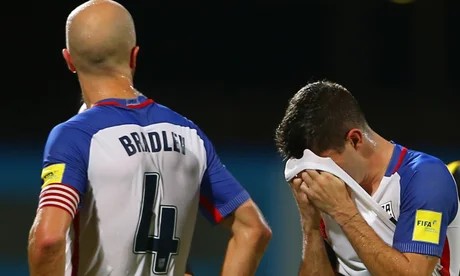
An aging and uninspired USMNT failed to qualify for the 2018 World Cup, marking one of the darkest moments in American soccer history. Bruce Arena later suggested that, had the U.S. made it, the roster would have looked much younger and more dynamic. Still, it’s hard to imagine that group advancing past the group stage, unless teenage sensation Christian Pulisic had delivered a breakout performance on par with Landon Donovan’s heroics in 2002.

2022 – Qatar
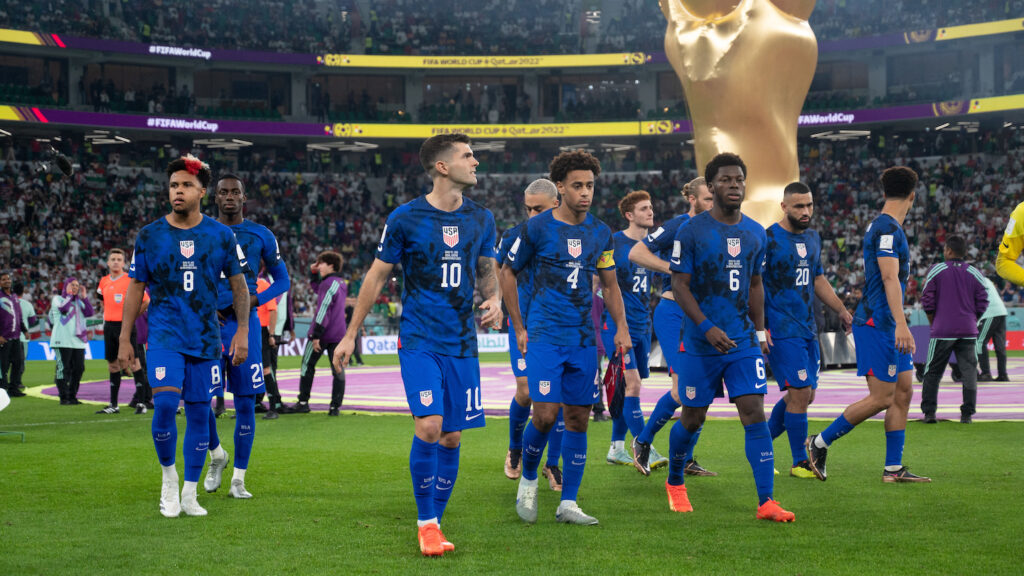
A new generation of USMNT players brought back the energy and passion missing in recent cycles. After a turbulent qualifying journey, the Americans opened the World Cup with a 1–1 draw against Wales, Tim Weah’s first-half goal canceled out by Gareth Bale’s late penalty. A gritty 0–0 result against England kept hopes alive before Christian Pulisic’s heroic goal against Iran sent them to the knockouts. Out of gas in the Round of 16, the U.S. fell 3–1 to a superior Netherlands side.

2026 – United States / Mexico / Canada
One thing is certain; the 2026 FIFA World Cup will be unlike anything the world has ever seen. It’s destined to break records, captivate audiences, and redefine what soccer means in America. But the story still to be written is that of the USMNT. Can they rise to the moment, ignite a nation, and make a historic run on home soil, proving once and for all that soccer in the United States has arrived and is here to stay?