USMNT
USMNT Roster Snubs: Breaking Down the Toughest World Cup Cuts

Thomas Deschaine (@uskeeper on X and us_keeper on Instagram)
Building a roster to compete at a FIFA World Cup isn’t easy. Teams need the proper depth at all positions along with the right balance of chemistry to ensure the needed continuity and balance to ensure a good performance at a World Cup.
Pochettino will be making his decisions over the coming months headed into the camp headed into the 2026 FIFA World Cup.
Here’s a look back at each World Cup snubs for the USMNT since 1990 and how and why the players weren’t selected. When looking at the snubbed players ask yourself who you would have removed from the active roster and replaced them with.
1990 – Italy
After a 50-year absence from the World Cup, it was clear that the USMNT roster for the 1990 tournament was focused on youth and laying the groundwork for the 1994 World Cup, which the USA would host. Other notable players who didn’t make the cut included Troy Dayak, Ted Eck, John Kerr, and Frank Klopas.

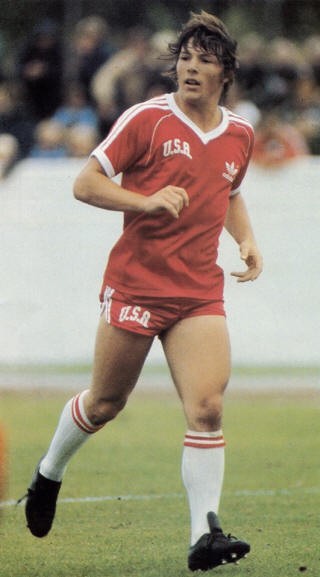
Ricky Davis (32) – The former USMNT captain and legend wasn’t fit enough to make the roster, even in a leadership role. Despite his experience, Davis was dealing with injuries and ultimately wasn’t selected as the team prioritized a youth movement at the time.
Arnie Mausser (36) – Similar to Davis, Mausser had been the USMNT’s primary goalkeeper for three cycles, but age and injuries ultimately kept him from earning the third goalkeeper spot, as Bob Gansler opted to go with younger options in the pool.
Hugo Pérez (26) – Pérez was coming off an injury, and manager Bob Gansler, along with his staff, felt he wasn’t fully fit. They opted for a younger, more defensive-minded squad built around work rate and fitness. Additionally, reports of tension between Pérez and the coaching staff may have contributed to his exclusion from the roster.
1994 – United States
This cycle may have featured the largest number of snubs from one cycle to the next — or at least it felt that way at the time. The experience of the eight USMNT players selected was considerable, but notable veterans from the 1990 squad missed out. Players like Desmond Armstrong, Brian Bliss, Chris Henderson, and Peter Vermes made the provisional roster but ultimately didn’t secure a spot on the 1994 team. Additionally, 1990 World Cup veterans Kasey Keller and John Doyle were left off the final professional roster.

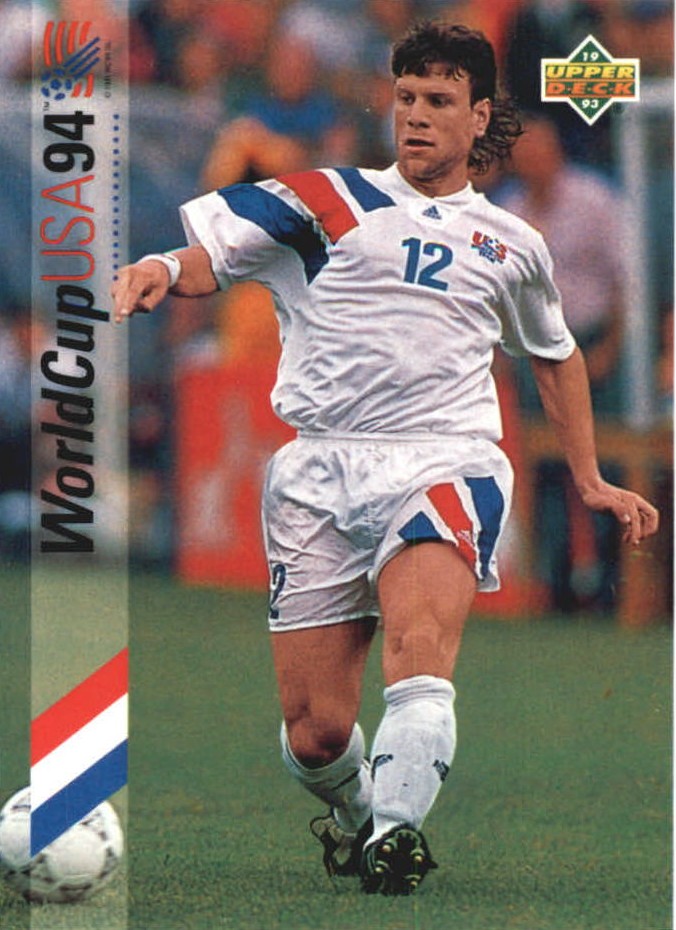
Jeff Agoos (26) –Agoos was among the final players cut from the 1994 USMNT provisional roster. At the time, the team already boasted strong defensive depth with Marcelo Balboa, Alexi Lalas, Fernando Clavijo, Cle Kooiman, and Mike Burns. Rumor also had it that Bora Milutinović and Agoos weren’t fully aligned on tactics and expected playing time, which likely influenced the decision.
Kasey Keller (24) – Keller, who had been chosen as a backup for the 1990 World Cup, was largely out of the picture for the 1994 USMNT cycle. Bora reportedly didn’t appreciate Keller’s attitude, viewing him as overly confident, and the USSF was frustrated when Keller refused to wear Adidas gloves, the team’s official sponsor at the time.
Dominic Kinnear (26) – Kinnear was among the final three players cut from the USMNT roster in late May. Many believed Bora leaned heavily on players who fit his tactical system and offered greater versatility, filling the attacking and wide roles with individuals he trusted more within that setup.
1998 – France
David Regis, who became eligible to play for the USMNT just weeks before the World Cup, impacted the selection of defenders called into the squad. Several younger players, including John O’Brien and Tony Sanneh, would later feature in future World Cups. Meanwhile, experienced veterans like Chris Henderson and Mike Sorber, both of whom had been part of previous USMNT World Cup squads, were included on the provisional roster but ultimately did not make the final cut.

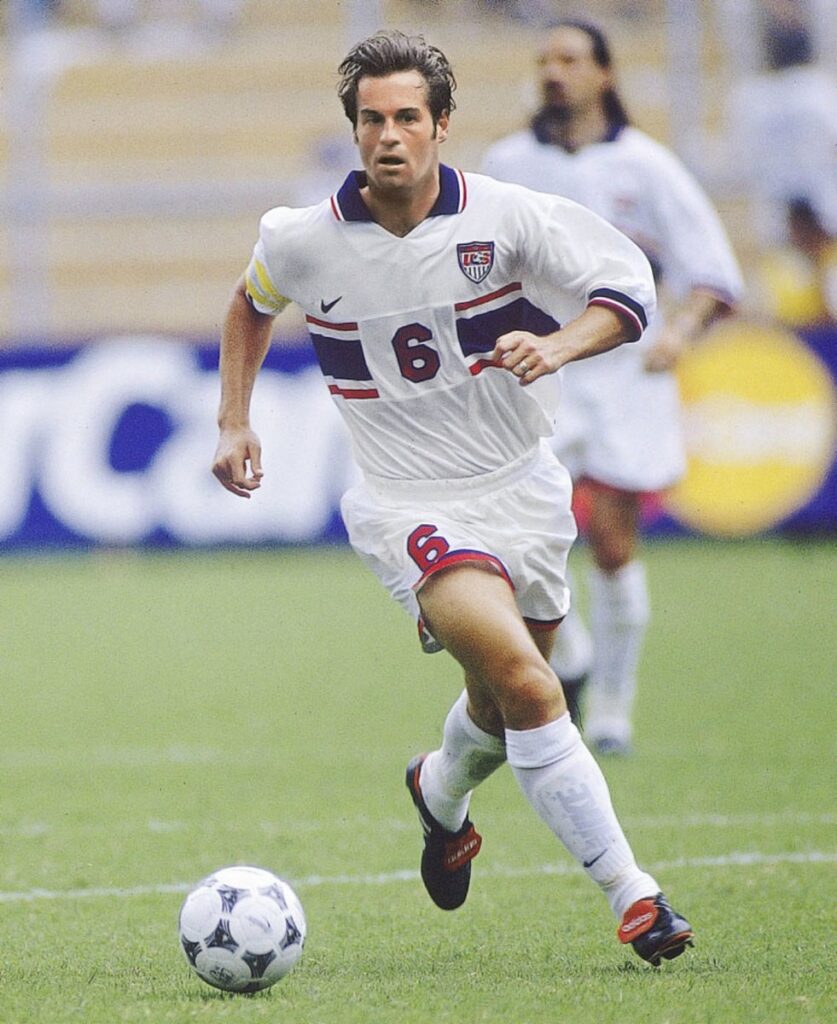
John Harkes (31) – At the time, this was considered the biggest snub in USMNT history, the omission of a 30-time captain. Steve Sampson explained that Harkes was not meeting the leadership standards expected of a veteran, citing concerns about his attitude, professionalism, and influence in the locker room. Six years later, the true reason behind Harkes’ ‘snub’ would come to light.
Gregg Berhalter (24) – Berhalter, likely affected by David Regis’s inclusion on the USMNT roster, was among the final players cut from the World Cup squad. He would go on to be called up for the next two World Cups
Jovan Kirovski (22) – Kirovski’s youth and limited international experience likely played a role in his omission from the USMNT squad, with more seasoned players like Brian McBride, Eric Wynalda, and Joe-Max Moore in stronger form at the time of the World Cup.
2002 – Korea / Japan
I’d argue there weren’t any truly glaring snubs for the USMNT at this World Cup. Instead, injuries opened the door for a few players on the provisional roster to earn spots with one of the stronger U.S. teams. Notable examples include Brian Maisonneuve, a member of the 1998 World Cup squad, and Jovan Kirovski, who had been on the provisional roster in 1998.

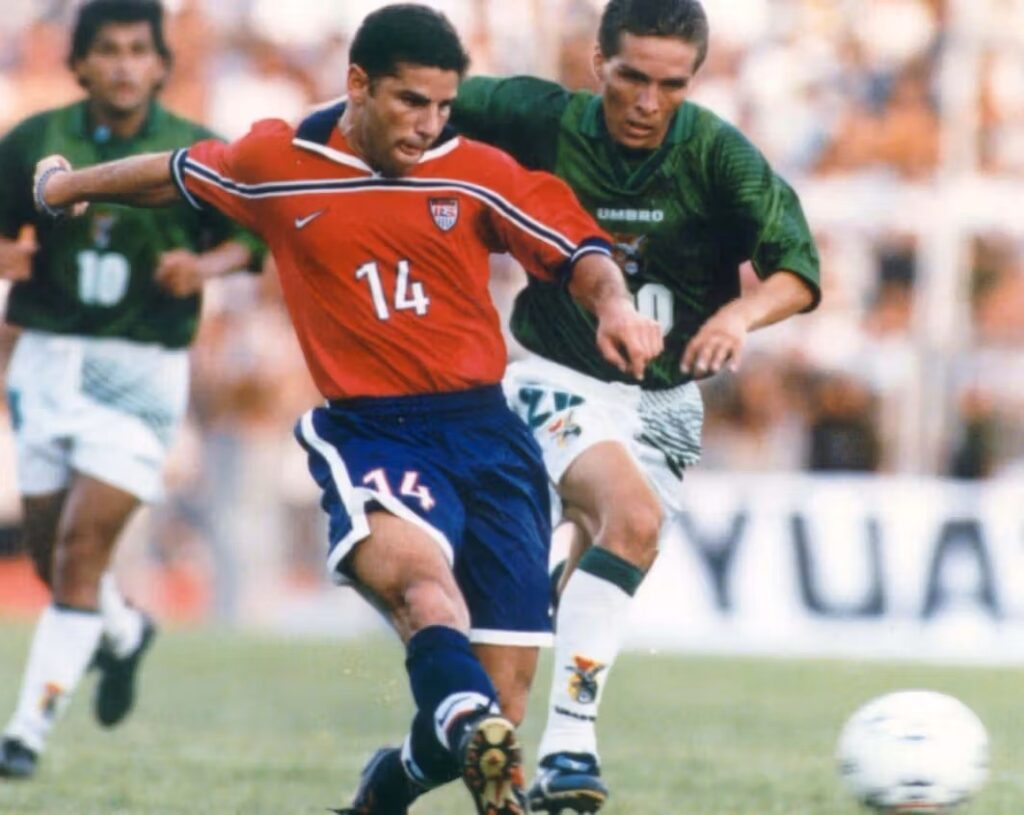
Chris Armas (29) – Armas wasn’t a snub; however, he suffered a knee injury in the first of three World Cup tune-up friendlies against Uruguay. As a result, Pablo Mastroeni stepped in and ultimately received the minutes Armas would have played at the World Cup.
Greg Vanney (27) – Another injury in the USMNT’s second of three tune-up matches against Jamaica opened the door for Steve Cherundolo, who hadn’t been called into those friendlies, to claim the final roster spot for the 2002 World Cup.
Ante Razov (28) – Ante Razov began the 2002 MLS season in red-hot form, scoring eight goals before the World Cup kicked off, but he was competing against a deep and established striker pool that included Clint Mathis, Brian McBride, and Joe-Max Moore.
2006 – Germany
Another World Cup brought its share of misfortune for the 2006 USMNT, as two selected players, Frankie Hejduk and Cory Gibbs, were sidelined with knee injuries, leading to Chris Albright and Gregg Berhalter taking their places. That year, the New England Revolution were performing at an exceptionally high level, with four of their players in consideration for the squad: goalkeeper Matt Reis, midfielders Pat Noonan and Steve Ralston, and striker Taylor Twellman.

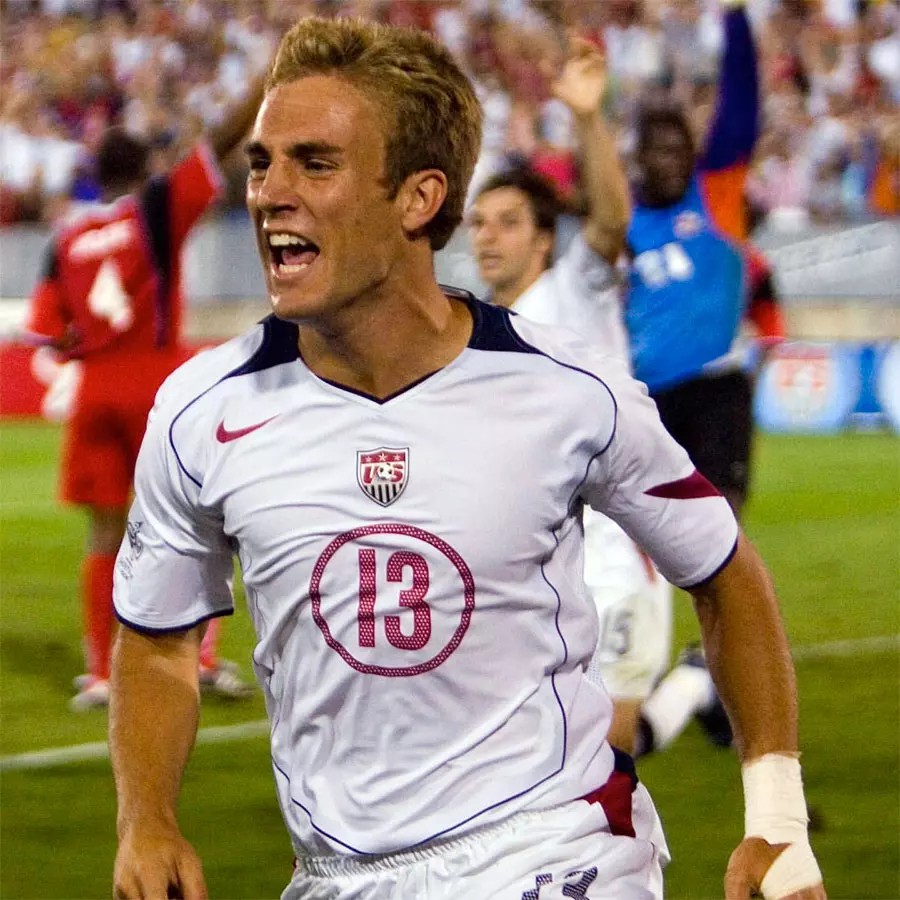
Freddy Adu (16) – The media frenzy surrounding Freddy Adu, along with the pressure to fast-track him onto the international stage, had many pundits and fans calling for his inclusion on the 2006 World Cup roster.
Taylor Twellman (26) – Twellman, the 2005 MLS MVP, came into the 2006 season in sensational form, even scoring a hat trick in an early-year friendly, yet he was ultimately left off Bruce Arena’s World Cup squad.
Jonathan Spector (20) & Jay DeMerit (26) – Defenders Jonathan Spector and Jay DeMerit, despite playing regularly in the Premier League at the time, were left off the provisional 2006 World Cup roster, but both would go on to feature in the tournament four years later.
2010 – South Africa
Calling Charlie Davies a snub is difficult, as he was less than a year removed from a serious car accident and had only just returned to training, likely not yet fit enough for the 2010 World Cup. Another injury note was Frankie Hejduk, who once again missed a World Cup due to injury, probably marking his last realistic chance to appear on the tournament stage. Additionally, an injured Jermaine Jones, not yet eligible to play for the USMNT at the time, was another player many believe would have been included in the roster had he been healthy.

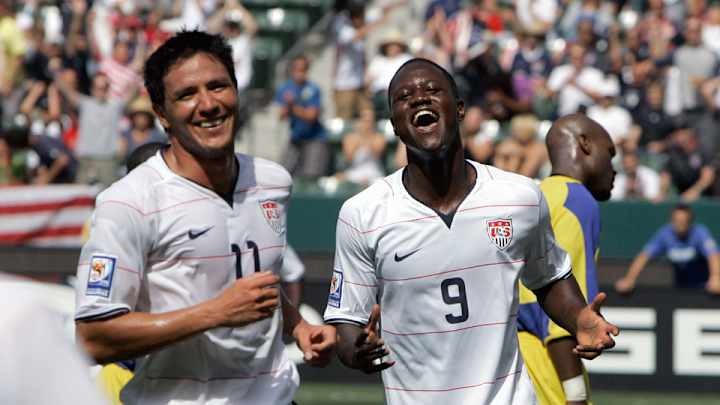
Alejandro Bedoya (23) – Bedoya earned his first USMNT cap in 2010 and only appeared in a handful of matches leading up to the World Cup. In the years prior, he had been playing in Sweden’s top division, gaining professional experience but still relatively new to the senior national team stage. He also faced stiff competition in midfield, which made breaking into the final 23-man roster difficult. Bedoya would later become a key figure in the 2014 cycle, starting at the 2014 World Cup.
Sacha Kljestan (24) – Sacha Kljestan contributed during qualifiers and friendlies and was named to the preliminary 2010 World Cup squad, but he was ultimately left off the final 23‑man roster. Although he never made a USMNT World Cup squad, Kljestan remained an important contributor to the national team through the 2018 cycle.
Brian Ching (32) & Eddie Johnson (26) – These two striker omissions are real head-scratchers from a fan’s perspective. Especially after the Davies injury, you could argue that one, or even both, deserved a spot over Edson Buddle, Robbie Findley, and Herculez Gomez, all of whom had been in strong form in the months leading up to the roster selection.
2014 – Brazil
Anyone who has followed the USMNT over the past several cycles know there was a clear-cut snub for the 2014 World Cup, arguably the biggest in U.S. history and the one that affected me most as a fan. Additionally, Clarence Goodson, Benny Feilhaber and Maurice Edu, both members of the 2010 World Cup squad, were also omitted.

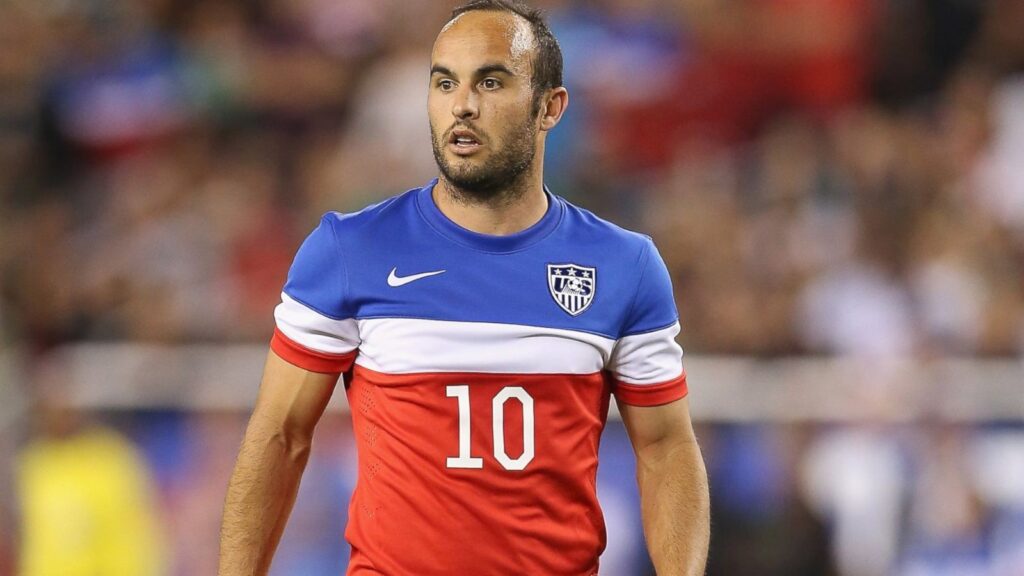
Landon Donovan (32) – The most high-profile omission in U.S. Soccer history, Donovan, the all-time leading scorer and veteran of three previous World Cups, was past his prime, yet he still could have contributed at a high level for the USMNT, even in a limited role or as a spot starter if needed.
Eddie Johnson (30) – Considered a snub from the 2010 USMNT World Cup squad, Eddie Johnson ranked in the top 20 for minutes played during the 2014 cycle and was fifth in goals scored for the national team and clearly back-to-back World Cup roster snubs for Johnson.
Tim Ream (26) – Tim Ream, Bolton Wanderers’ Player of the Year for the 2013–14 season (an honor he would also earn the following year), was left off the preliminary roster and seemingly out of Jürgen Klinsmann’s radar during the 2014 cycle.
2018 – Russia
There were no true snubs for the USMNT at this World Cup, since the team failed to qualify. Still, one could argue that veterans such as Michael Bradley, Clint Dempsey, and Tim Howard might have anchored an otherwise younger squad with valuable experience. Bruce Arena suggested that if the USMNT had qualified, he likely would have overhauled the roster, bringing in youth and emerging midfield talents like Tyler Adams and Weston McKennie to complement star Christian Pulisic.
2022 – Qatar
For the first time since 1998, World Cup rosters were expanded, allowing the USMNT to name a 26-man squad for the 2022 tournament. Some of the selections made by Gregg Berhalter and his staff were baffling, most notably the decision to bring four right backs to the World Cup.

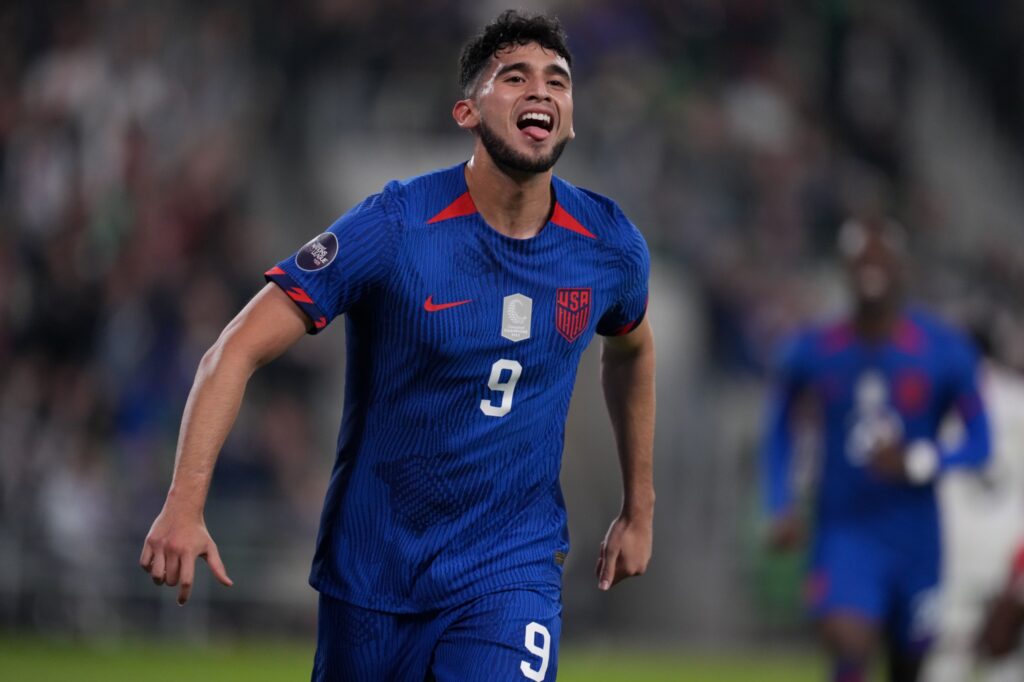
John Brooks (29) – John Brooks, a veteran center back and the only player in the USMNT pool with prior World Cup experience, was left off the squad. With Miles Robinson sidelined by a knee injury, Brooks’ experience could have been valuable compared to options like Cameron Carter-Vickers, Aaron Long, or Walker Zimmerman. There was also a belief that Brooks’ skill set did not align with Gregg Berhalter’s tactical approach, contributing to the decision to exclude him.
Ricardo Pepi (19) – Despite strong club form, particularly after his loan to FC Groningen in the Eredivisie, Pepi was omitted from the 26-man roster. The USMNT opted for other striking options like Josh Sargent, Haji Wright, and Jesús Ferreira instead.
Zack Steffen (27) – Zack Steffen fell out of favor with Gregg Berhalter after splitting time as the starting goalkeeper with Matt Turner. There were growing concerns about Steffen’s movement and mobility, reportedly impacted by a lingering knee injury and ongoing back issues.
2026 – United States / Canada / Mexico
With the 2026 World Cup roster set at 26 players, a few notable snubs feel inevitable. That said, I believe Mauricio Pochettino already had the core of his USMNT squad in mind coming out of the March window. From here, much of the focus is likely on player health heading into the May 26 selection show on FOX, where the roster is expected to be revealed between 3–4 PM.
Defensively, it feels like Auston Trusty and Joe Scally could be battling for the same roster spot unless Pochettino decides to leave home another center back or Max Arfsten, which seems unlikely.
The attacking midfield and winger positions are just as competitive. Diego Luna, Gio Reyna, and Alejandro Zendejas may be fighting for two final spots, though there’s always the possibility of a surprise inclusion. A young player like Zavier Gozo could still force his way into the conversation.
Midfield may be the toughest battle of all. Yunus Musah, Gianluca Busio, Jack McGlynn, and potentially the most debated omission if left out, Aidan Morris, are all competing for limited places. With Johnny Cardoso officially out of the World Cup, Morris now feels close to a lock. Still, all of them are battling Pochettino favorites Sebastian Berhalter and Cristian Roldán for what could be the final roster spots.