Connect with us

USMNT

2024: A Pivotal Year for the USMNT

Published

on

Thomas Deschaine (@uskeeper on X/Formally Twitter)
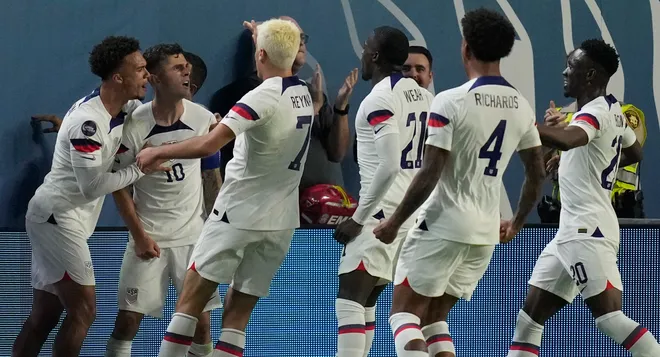

Photo From: USA Today-John Locher, AP – 18, June 2023 – 2023 Concacaf Nations League 

As the fog hovered over Estadio Parque Artigas Stadium in Paysandú, Uruguay in the 58th minute Eric Wynalda received the ball on the right wing with Joe-Max Moore making a run forward and in front of  Wynalda who delivered a pass to Moore who then went down preventing the ball from being taken away and sending it back to Wynalda who slides forward and scores the third goal of the match and his third goal of the tournament, making it 3-0 USA over tenth-ranked Argentinians and all but sealing the win and the top spot in Group C at the 1995 Copa America. The win for this USMNT consisted of 17 players from the 1994 World Cup team who reached their pinnacle with this group of players finishing fourth at this Copa America.

Over the previous three decades, the USMNT has had some of the biggest wins in the team’s history. During the 1999 Confederations Cup, which was played in Mexico the USMNT played a hard-fought match against the fifth-ranked Germans defeating them 2-0 in the final group stage match and finishing third overall in the tournament. The USMNT would also have an even bigger result against second-ranked Spain in the semi-finals of the 2009 Confederations Cup when they ended Spain’s 35-game unbeaten streak in a 2-0 victory that would send them to the final against Brazil.

2024 is the midway point of the 2026 FIFA World Cup cycle, and the next two windows for the USMNT who as a team and federation need to start ascending to their apex with this group to ensure that they have an amazing performance at the 2026 World Cup.

The USMNT has already played their first match, a 1-0 defeat to Slovenia, but need to quickly focus on the March window 2024 CONCACAF Nations League Finals where they will play Jamaica in the semi-final round and a win would put the USMNT in their third straight Nations League Final where they would have a chance to play either Mexico or Panama and win their third straight Concacaf Nations League trophy.

Some 90 days later the USMNT will be kicking off only their fifth appearance at the Copa America Tournament, with the stakes for this group at an all-time high and where success is demanded from the players, coaches, fans, and the federation. Will this current group of USMNT players and coaches be able to progress to the next level against the elite teams of CONMEBOL? It’s worth noting that the USMNT has finished fourth twice at Copa America in 1995 and 2016, however, the USMNT finished 32nd at the 1998 World Cup and failed to qualify for the 2018 World Cup.

The U-23 USMNT will also be playing the Olympics for the first time since 2008, which provides a great opportunity for those U-23 players to get noticed on a big stage. There are many eligible players who if released by their clubs will have a great opportunity to impress while helping the U-23 USMNT make a deep run at the 2024 Olympics in France.

As it becomes increasingly harder for the USMNT to schedule non-Concacaf opponents the US Soccer Federation will need to get creative in who and where they schedule these Friendly matches. The June window offers up the best opportunities for the USMNT to schedule matches against other CONMEBOL teams, preferably in Groups A and B which feature Argentina, Chile, Ecuador, Peru, and Venezuela

Edgar Moreno on X, formally Twitter, reported that the USMNT and Colombia have scheduled a Friendly headed into Copa America. It was also reported on Goal.com that Colombia will be scheduling a total of four matches leading into the tournament, two of which will be taking place in Europe. While there are challenges with timing and logistics around scheduling Friendlies with UEFA teams, USSF really needs to do everything possible to secure a similar type of schedule headed into Copa America but, rarely schedules USMNT Friendlies outside of the FIFA International window, which Colombia would need to do to make that schedule work. 

 It has been recently rumored that the USMNT might close to scheduling a Friendly with Colombia headed into Copa America. The September and October windows have few quality opponents available, at the time of the article it appears that the September window could be an opportunity to play schedule matches with teams from the CAF Confederation, but those matches would likely need to be played at neutral sites in Europe. 

2024 USMNT Window

MarchJune WindowCopa AmericaSeptemberOctoberNovember
CNL Finals                 March 18-26Friendlies            June 3-11                                  June 20-July 14Friendlies           Sept. 2-10Friendlies           Oct. 7-15CNL quarterfinals       Nov. 11-19

Below are eight years since the 1994 cycle that at the time were considered big years for the USMNT as they were playing in FIFA tournaments against teams from other confederations. Below is a look at how they fared.

1992

6 Wins, 4 Draws, 11 Losses, GF-21, GA-27

Third Place at the King Fahd Cup renamed Confederations Cup in 1997 edition.

First at U.S. Cup (Participating teams –Ireland, Italy & Portugal)

Top Goal Scorers

5-Eric Wynalda
3-Hugo Perez
3-Marcelo Balboa
2-Bruce Murray
2-John Harkes

Goalkeeper Stats

5 Wins – Tony Meola
4 Shutouts – Tony Meola
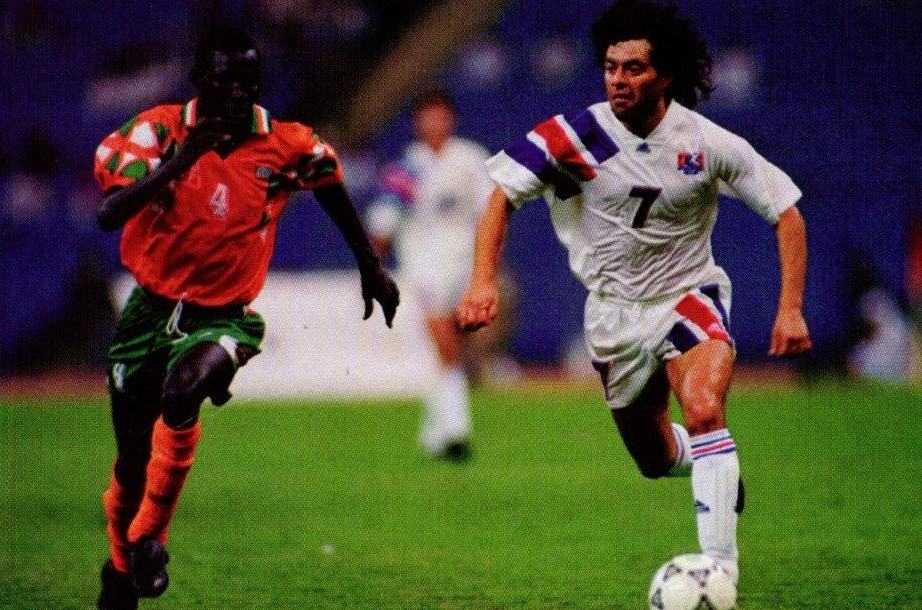

Photo From: Soccer International, Volume 3, Issue 12, December 1992

1993

10 Wins, 11 Draws, 13 Losses, GF-45, GA-44

Twelfth place at Copa America 

Second Place at Gold Cup

Third Place at U.S. Cup (Participating teams – Brazil, England & Germany)

34 matches played 1st All-Time

11 Draws tied for 1st All-Time with 1994

13 Loses 1st All-Time

44 Goals Conceded 1st All-Time

Top Goal Scorers

8-Joe-Max Moore
7-Dominic Kinnear
4-Alexi Lalas
4-Thomas Dooley

Goalkeeper Stats
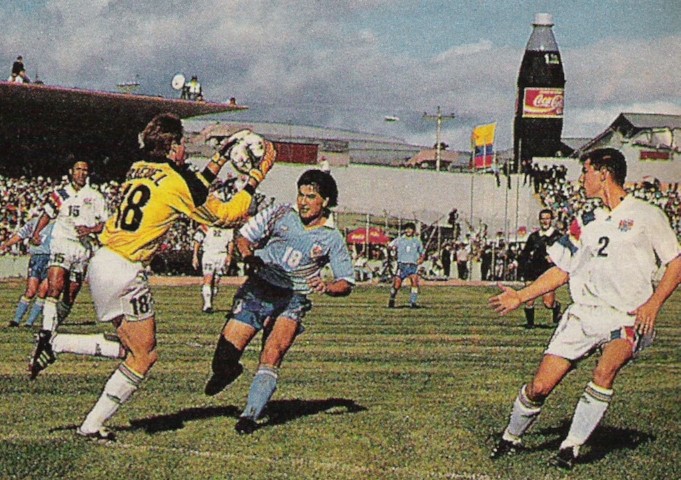
Photo From:  El Grafico Number 3847, June 16, 1993

7 Wins – Tony Meola
8 Shutouts – Tony Meola

1995

5 Wins, 3 Draws, 6 Losses, GF-20, GA-18

Fourth Place at Copa America

First at U.S. Cup (Participating teams – Colombia, Mexico & Nigeria)

Top Goal Scorers

3-Eric Wynalda
2-Joe-Max Moore
2-Alexi Lalas
2-John Harkes

Goalkeeper Stats

3 Wins – Kasey Keller
2 Shutouts – Brad Friedel & Kasey Keller
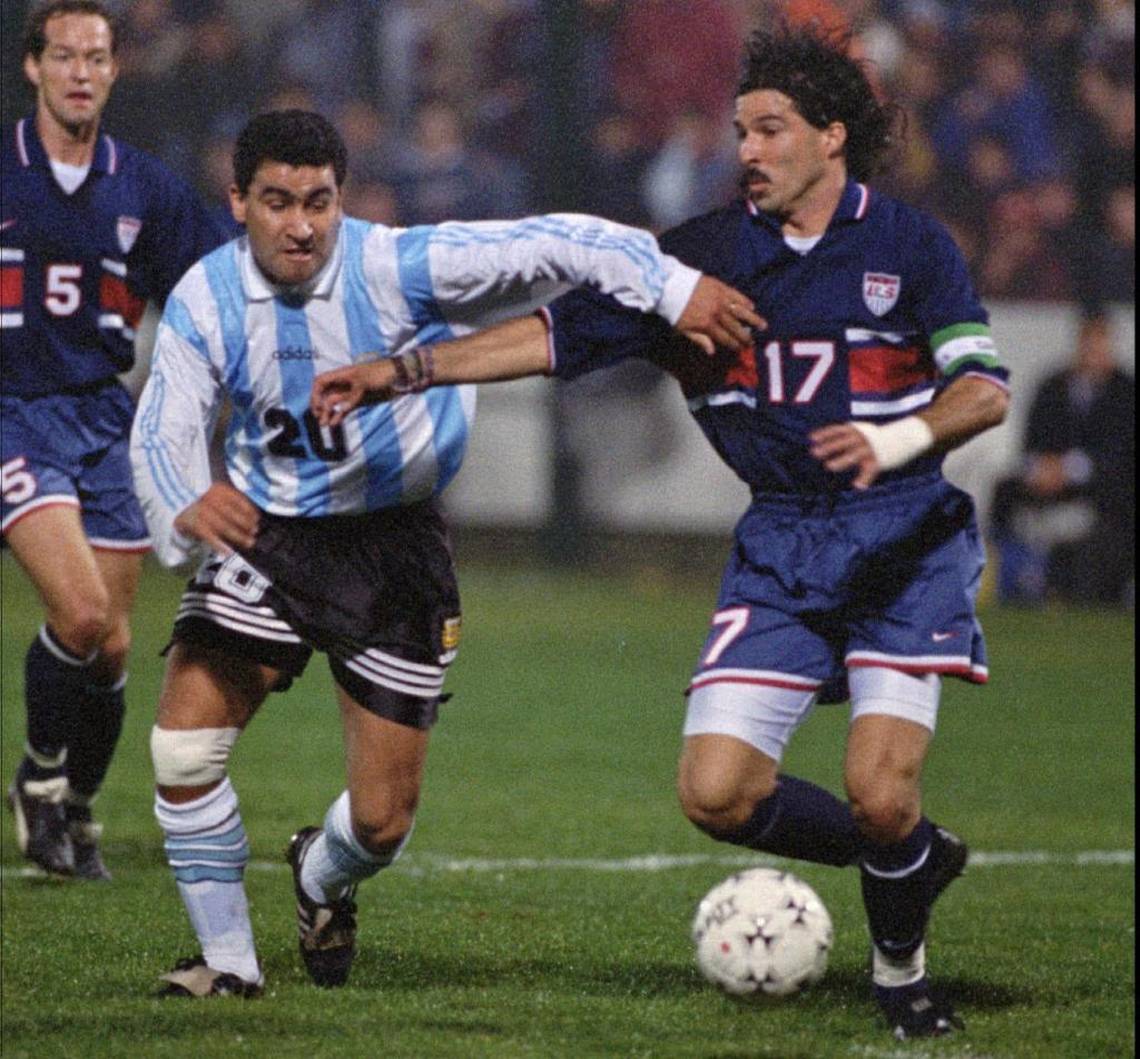
Photo From: DIEGO GIUDICE Associated Press file, July 14, 1995

1999

7 Wins, 2 Draws, 4 Losses, GF-19, GA-11

Third Place at Confederations Cup

Second Place at U.S. Cup (Participating teams – Bolivia, Guatemala & Mexico)

Top Goal Scorers

3-Joe-Max Moore
3-Brian McBride
2-Ben Olsen
2-Jovan Kirovski
2-Frankie Hedjuk

Goalkeeper Stats

2 Wins – Brad Friedel & Kasey Keller
2 Shutouts – Brad Friedel & Tony Meola
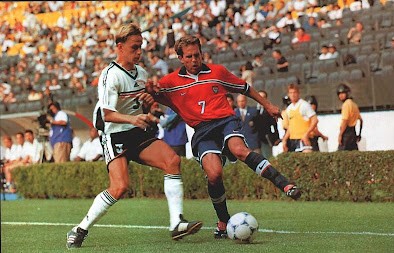

Photo From: FIFA Report- 1999 Mexico, July 30, 1999

2003

10 Wins, 2 Draws, 4 Losses, GF-28, GA-10

Seventh Place at Confederations Cup

Third place at Gold Cup

Top Goal Scorers

7-Landon Donovan
4-Carlos Bocanegra
3-Brian McBride
3-Chris Klein

Goalkeeper Stats

6 Wins – Kasey Keller
5 Shutouts – Kasey Keller
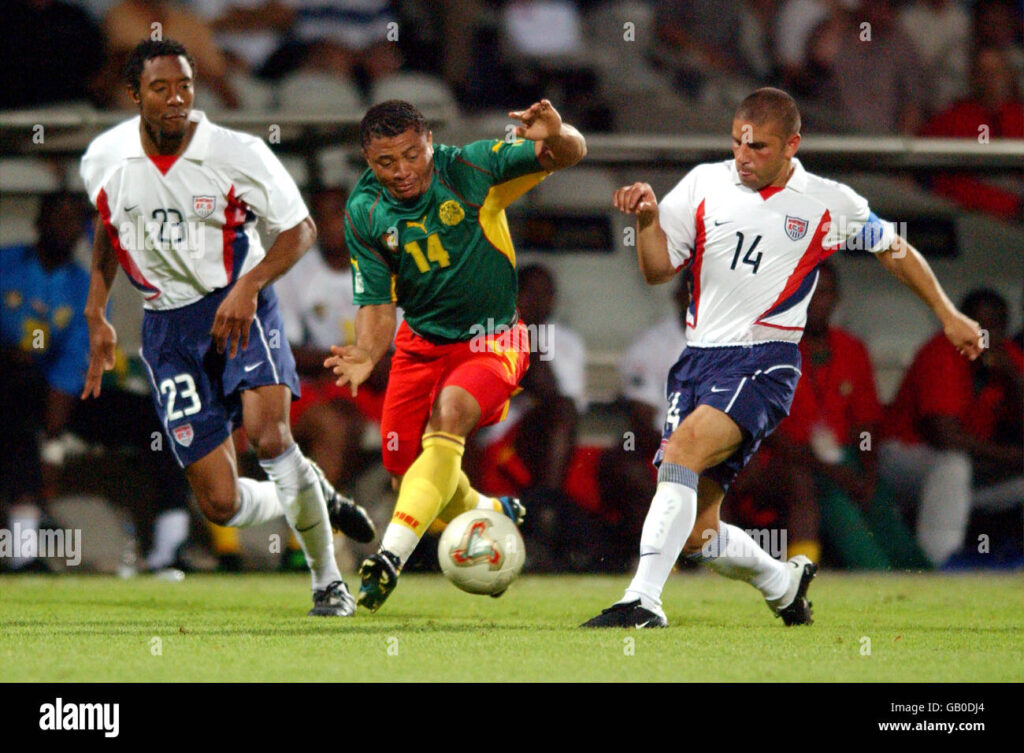
Photo From: FIFA Confederations Cup, June 23, 2003

2007

12 Wins, 1 Draws, 5 Losses, GF-31, GA-19

Twelfth Place at Copa America 

First Place at Gold Cup

Top Goal Scorers

9-Landon Donovan
3-Clint Dempsey
3- DaMarcus Beasley
2-Eddie Johnson
2-Benny Feilhaber
2-Carlos Bocanegra

Goalkeeper Stats

8 Wins – Tim Howard
4 Shutouts – Tim Howard
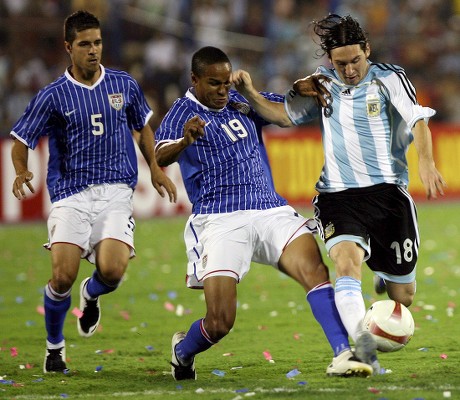
Mandatory Credit: Photo by Guillermo Legaria/EPA/Shutterstock (8021271j) Argentinean Striker Lionel Messi (r) and U S Mildfielder Ricardo Clarck Figth For the Ball During the Copa America Group C Soccer Match Argentina Vs Usa at the Pachencho Romero Stadium in Maracaibo Venezuela 28 June 2007 Venezuela Maracaibo Venezuela Soccer Copa America – Jun 2007


Photo From: Guillermo Legaria – FIFA Copa America, June 28, 2007 

2009

13 Wins. 3 Draws, 8 Losses, GF-43, GA-36

Second Place at Confederations Cup

Second Place at Gold Cup

Top Goal Scorers

6-Jozy Altidore
5-Landon Donovan
4-Clint Dempsey
4-Michael Bradley
3- Sacha Kljestan
3- Charlie Davies

Goalkeeper Stats

7 Wins – Tim Howard
4 Shutouts – Tim Howard
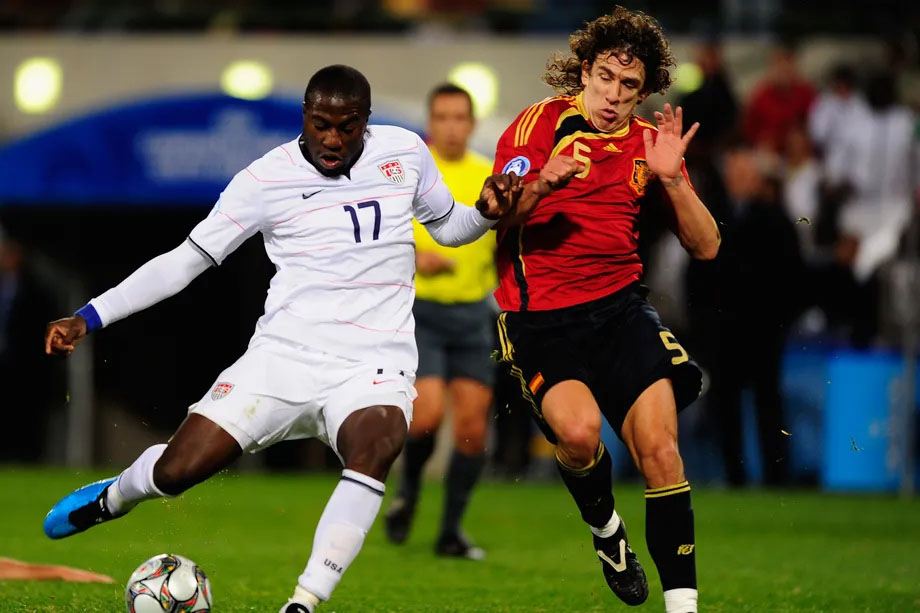

Photo From: Jamie McDonald/Getty Images

2016

12 Wins, 1 Draw, 6 Losses, GF-37, GA-20

Fourth Place at Copa America

Top Goal Scorers

6-Jozy Altidore
4-Bobby Wood
4-Clint Dempsey
3-Christian Pulisic
3-Gyasi Zardes

Goalkeeper Stats

8 Wins – Brad Guzan
6 Shutouts – Brad Guzan
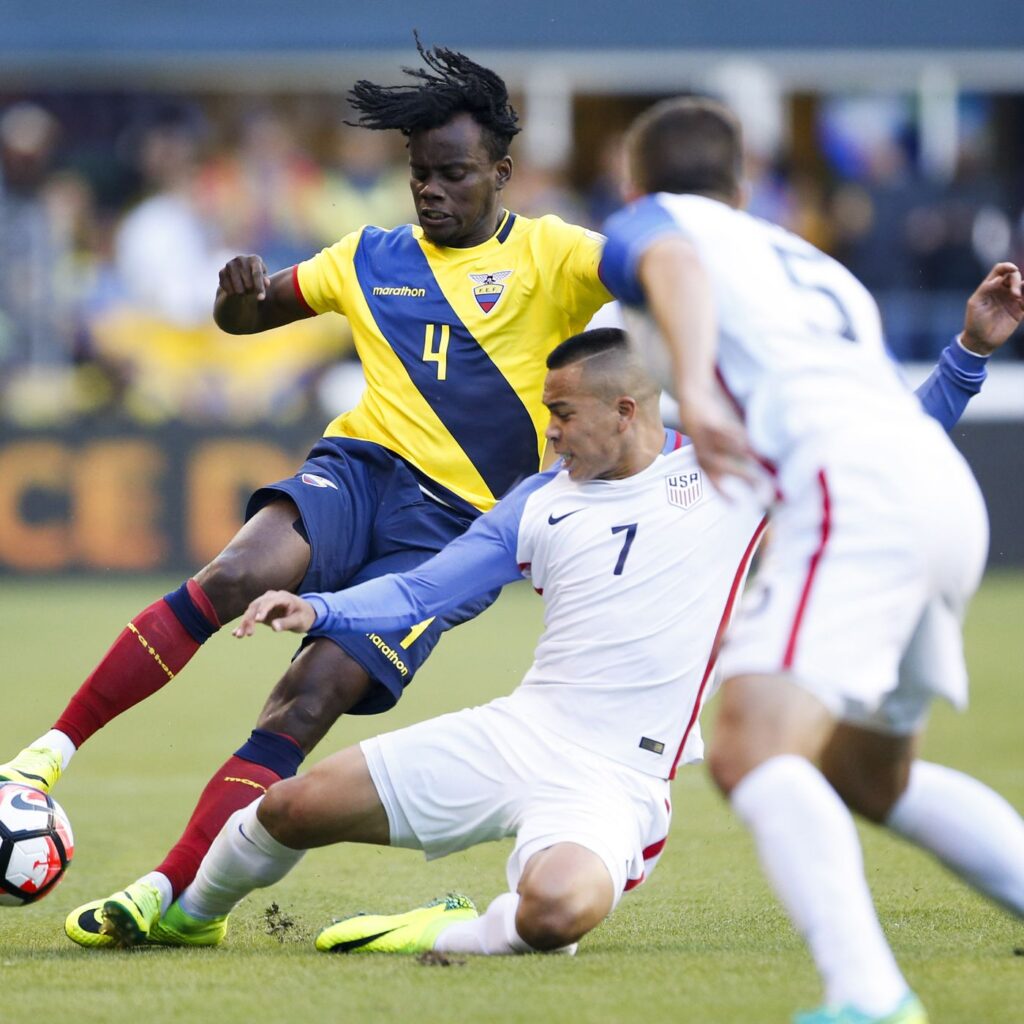

Photo From: Jennifer Buchanan-USA TODAY Sports

Expectations for the in 2024 USMNT

The USMNT is expected to once again advance to the Nations League Final and with their full fit A Squad should be able to bring home their third Nations League trophy, but the 2024 Copa America tournament is very possible the most important non-World Cup the USMNT has even competed it. How success and failure will be determined by the USSF and fans will be interesting to follow. Gregg Berhalter has to prove that he can put together a roster, a formation that allows for simple and effective tactics that will allow the USMNT to not only compete against some top-tier nations but beat them. Success for me isn’t just advancing to the semi-finals of Copa America The USMNT needs to perform at the next level against the top-tier nations, something that I’ve only seen a handful of times in my nearly 35 years as a USMNT fan.
Continue Reading

USMNT

The USMNT’s World Cup Legacy: Highs, Lows, and Defining Moments

Published

on

Thomas Deschaine (@uskeeper on Xhttps://x.com/uskeeper/ and us_keeper on Instagram)

The USMNT’s World Cup story stretches back nearly a century to the inaugural tournament in 1930. The 2026 FIFA World Cup will mark the United States’ 12th appearance on soccer’s biggest stage.

Over that time, the Americans have played 37 matches, earning 9 wins, 8 draws, and 20 losses, while scoring 40 goals and conceding 66. The U.S. has advanced to the knockout stage in seven of those tournaments.

Five different USMNT goalkeepers have recorded clean sheets at the World Cup, Matt Turner and Frank Borghi with two each, and Tim Howard, Brad Friedel, and Jimmy Douglas with one apiece.

The USMNT’s top World Cup scorers, Clint Dempsey, Landon Donovan, Brian McBride, and Bert Patenaude, all netted multiple goals in a single tournament, cementing their places in U.S. soccer history.

1930 – Uruguay

The inaugural World Cup in Uruguay saw the USMNT surprise the world by reaching the semifinals before falling 6–1 to Argentina. The U.S. dominated the group stage, defeating Belgium and Paraguay 3–0, with Bert Patenaude making history as the first player ever to record a hat trick at a World Cup. The Americans ultimately finished third, still their best result on the world stage to this day.

1934 – Italy

The USMNT’s 1934 World Cup appearance would be a brief one. Just days before the tournament began, the Americans secured qualification by defeating rivals Mexico 4–2 in Rome. Drawn straight into a knockout format, the U.S. faced host nation Italy in their opening match, falling 7–1. Aldo Donelli scored the team’s only goal, following up his remarkable four-goal performance from the qualifier.

1950 – Brazil

The USMNT pulled off arguably the greatest upset in World Cup history, and certainly their biggest win to date, by defeating England 1–0, thanks to Joe Gaetjens’ famous goal. Despite that historic triumph, the Americans fell 3–1 to Spain in their opener and 5–2 to Chile in their final group match, ending their tournament at the group stage.

1990 – Italy

After a forty-year absence, the USMNT returned to the World Cup with a young, hungry, and largely untested squad. Despite a rough start, suffering a 5–1 loss to Czechoslovakia, the Americans rebounded with a hard-fought 1–0 victory over host and eventual third-place finisher Italy before narrowly falling 2–1 to Austria. The invaluable experience gained at this tournament would help lay the foundation for the team’s performance at the 1994 World Cup.

1994 – United States

After several attempts to host a World Cup, the United States was finally awarded the 1994 tournament. The USMNT faced a very tough group but showed determination in all three matches. They opened with a 1–1 draw against Switzerland, with Eric Wynalda scoring a brilliant set-piece goal, still considered one of the best in World Cup history. In their second match, the Americans secured a 2–1 victory over a strong Colombian side, marking their first World Cup win since 1950. A narrow 1–0 loss to Romania in the final group match didn’t stop the U.S. from advancing to the Round of 16, where they were eliminated 1-0 by eventual champions Brazil. The 1994 World Cup had a lasting impact, helping to inspire and shape soccer culture in the United States.

1998 – France

It was an up-and-down cycle for the USMNT, but their fourth-place finish at the 1995 Copa América had fans optimistic about the team’s potential heading into 1998. However, the shocking omission of longtime captain John Harkes, who had worn the armband 30 times, raised serious questions. Meanwhile, trailblazers from earlier cycles struggled to make an impact: Alexi Lalas didn’t play a single minute, Marcelo Balboa saw just eight minutes of action, and Eric Wynalda featured in only two matches for a total of 51 minutes. The Americans went on to lose all three group-stage games, finishing last among the 32 teams.

2002 – Korea / Japan

After a hard-fought qualifying campaign, the USMNT made a memorable run at the 2002 World Cup, advancing to the quarterfinals after a historic 2–0 win over regional rivals Mexico. The Americans put in a strong performance against Germany but were denied a potential equalizer when a clear handball went uncalled, ending their dream run with a narrow defeat. Landon Donovan’s breakout performance earned him the tournament’s Best Young Player award.

2006 – Germany 

The USMNT entered the 2006 World Cup brimming with confidence, dreaming of another deep run. But drawn into a brutal Group of Death, those hopes quickly unraveled. A 3–0 loss to the Czech Republic stunned the team, though a fierce 1–1 draw with Italy briefly reignited belief. Then came heartbreak, a controversial penalty on Oguchi Onyewu doomed the US to a 2–1 defeat to Ghana and a shocking early exit.

2010 – South Africa

Riding the momentum of their 2009 Confederations Cup runner-up finish, the USMNT entered the 2010 World Cup with real belief and growing hype. Every match in South Africa was a test of grit and heart. The opener against England ended 1–1, with Clint Dempsey’s late first-half strike shocking the favorites. In their second match, the Americans stormed back from two goals down to draw 2–2, keeping their hopes alive. Then came one of the most iconic moments in U.S. soccer history, Landon Donovan’s stoppage-time winner against Algeria, sealing a dramatic 1–0 victory and a place in the knockout stage. But the dream ended in heartbreak, as Ghana once again eliminated the U.S. in extra time, 2–1.

2014 – Brazil

The mood heading into the 2014 World Cup was cautious after Jurgen Klinsmann’s shocking decision to leave Landon Donovan, the team’s all-time leader in goals and assists, off the roster. The USMNT opened against familiar nemesis Ghana, who had eliminated them in the previous two tournaments. This time, redemption arrived when substitute John Brooks headed home a late winner to seal a thrilling 2–1 victory. In their second match against powerhouse Portugal, the Americans came within seconds of back-to-back wins before a last-gasp equalizer from Silvestre Varela snatched away the dream. A 1–0 loss to Germany in the final group game proved enough to advance on goal difference. In the Round of 16, the U.S. faced Belgium’s golden generation, pushing the match into extra time behind Tim Howard’s record-breaking 16 saves, but ultimately fell 2–1 in a valiant defeat that earned global respect.

2018 – Russia

An aging and uninspired USMNT failed to qualify for the 2018 World Cup, marking one of the darkest moments in American soccer history. Bruce Arena later suggested that, had the U.S. made it, the roster would have looked much younger and more dynamic. Still, it’s hard to imagine that group advancing past the group stage, unless teenage sensation Christian Pulisic had delivered a breakout performance on par with Landon Donovan’s heroics in 2002.

2022 – Qatar

A new generation of USMNT players brought back the energy and passion missing in recent cycles. After a turbulent qualifying journey, the Americans opened the World Cup with a 1–1 draw against Wales, Tim Weah’s first-half goal canceled out by Gareth Bale’s late penalty. A gritty 0–0 result against England kept hopes alive before Christian Pulisic’s heroic goal against Iran sent them to the knockouts. Out of gas in the Round of 16, the U.S. fell 3–1 to a superior Netherlands side.

2026 – United States / Mexico / Canada

One thing is certain; the 2026 FIFA World Cup will be unlike anything the world has ever seen. It’s destined to break records, captivate audiences, and redefine what soccer means in America. But the story still to be written is that of the USMNT. Can they rise to the moment, ignite a nation, and make a historic run on home soil, proving once and for all that soccer in the United States has arrived and is here to stay?

Continue Reading

USMNT

Best to Wear the Band

Published

on

Thomas Deschaine (@uskeeper on X and us_keeper on Instagram)

Who is the greatest captain in the history of the U.S. Men’s National Team? With more than 100 different players having worn the armband over the years, which player truly stood out as the best leader on the field?

In this article, I’ll break down the statistics behind the players who have captained the USMNT the most, as well as those who have worn the armband at the FIFA World Cup. The information was gathered through a combination of U.S. Soccer media guides, match footage, newspaper archives, and various online resources that were cross-checked and confirmed through multiple sources.

Over the last several cycles, the “Captain America” label has often been attached to the face of the USMNT. I believe that trend really began around the 2014 World Cup when Clint Dempsey captained the United States in Brazil.

Today, that title is commonly associated with Christian Pulisic, who became the youngest player ever to captain the USMNT and has worn the armband more than any other player over the last two cycles. However, it has become increasingly clear that Pulisic prefers to lead through his performances on the field rather than serve as the outspoken public voice of the national team.

In some ways, I wish Landon Donovan had taken a similar approach at times instead of trying to carry the burden of being the vocal leader everyone expected him to be. As I often tell my daughter, there are many different types of leaders in sports, and not all of them need to wear the captain’s armband.

There are many fans who believe the captaincy itself doesn’t carry much importance, but I disagree. Leadership matters, and teams need players who can provide direction, accountability, and composure both on and off the pitch. For me, Tyler Adams and Chris Richards are two players who stand out as natural leaders for the present and the future of the USMNT. At the same time, Tim Ream has clearly filled that leadership role throughout the last two cycles.

Below is my list of the top five USMNT captains of all time, along with a breakdown of every player who has captained the national team at least 19 times, a group filled with some of the biggest names and legends in U.S. Soccer history.

Honorable Mention

Tyler Adams, who captained the USMNT at the 2022 World Cup, could become just the second player in team history to wear the armband at back-to-back World Cups. However, his overall number of matches as captain is still relatively low, making it difficult for him to crack the top five on this list at this point in his career.

Mike Windischmann defender, captained the USMNT during one of the most difficult and pressure-filled periods of the program’s modern era, helping lead the team as it fought to qualify for its first World Cup in 40 years, a feat the United States ultimately achieved in remarkable fashion.

#5 – Marcelo Balboa, Thomas Dooley and John Harkes

During the 1994 and 1998 World Cup cycles, these three USMNT trailblazers combined to captain more than 70 matches for the national team. Each was an outstanding leader on the field who consistently supported and elevated their teammates. Dooley was the captain of the 1998 World Cup team.

While choosing three players for the fifth spot may seem like a cop-out, all of them led this group in exactly the way the team needed during that era. Personally, I also prefer my captain to play in defense or as a holding midfielder, as those positions put them in the best spot to organize the team and quickly communicate with referees when attacking players are fouled higher up the field.

#4 – Tony Meola

I generally don’t prefer a goalkeeper to serve as captain, but Tony Meola, who became one of the youngest regular captains in USMNT history following the 1990 World Cup, really stood out to me as both a young soccer fan and aspiring goalkeeper.

His leadership throughout the 1994 World Cup cycle was especially impressive, as he captained the USMNT in nearly 60 matches and established himself as one of the defining leaders of that era.

#3 – Michael Bradley

Michael Bradley’s experience rising through the USMNT system while learning from several great leaders translated well when he became captain in 2015 after Clint Dempsey was stripped of the armband following off-field issues.

Bradley was expected to captain the USMNT at the 2018 World Cup had the team qualified, but unfortunately, he never got the opportunity to lead the United States on soccer’s biggest stage as captain.

#2 – Claudio Reyna

The only player in USMNT history to captain the team at two different World Cups, in 2002 and 2006, Claudio Reyna developed into the type of on- and off-field leader that U.S. Soccer has always been proud to represent.

Being named to four World Cup rosters, playing in three tournaments, and captaining the team in two of them places Reyna in a class of his own in USMNT history.

#1 – Carlos Bocanegra

Without question, my number one choice as the greatest captain in USMNT history is Carlos Bocanegra. Beyond my personal fandom, Bocanegra was an incredible talent and leader for the national team during both the 2009 Confederations Cup and the 2010 World Cup, guiding what I believe was one of the best USMNT squads of all time.

Top 15 USMNT Captains

64 Carlos Bocanegra

59 Tony Meola

48 Michael Bradley

46 Claudio Reyna

40 Mike Windischmann

30 John Harkes

29 Christian Pulisic

27 Tim Ream

25 Kasey Keller

23 Thomas Dooley

20 Clint Dempsey

19 Landon Donovan

19 Marcelo Balboa

14 Peter Vermes

13 Tyler Adams

13 Walter Bahr

USMNT Captains at World Cups

7 Claudio Reyna (2002 & 2006)

4 Carlos Bocanegra (2010)

4 Clint Dempsey (2014)

4 Tony Meola (1994)

4 Tyler Adams (2022)

3 Mike Windischmann (1990)

3 Thomas Dooley (1998)

3 Thomas Florie (1930)

2 Harry Keough (1950)

1 Earnie Stewart (2002)

1 Edward McIlvenny (1950)

1 Francis ‘Hun’ Ryan (1934)

Continue Reading

USMNT

USMNT Roster Snubs: Breaking Down the Toughest World Cup Cuts

Published

on

Thomas Deschaine (@uskeeper on X and us_keeper on Instagram)

Building a roster to compete at a FIFA World Cup isn’t easy. Teams need the proper depth at all positions along with the right balance of chemistry to ensure the needed continuity and balance to ensure a good performance at a World Cup.

Pochettino will be making his decisions over the coming months headed into the camp headed into the 2026 FIFA World Cup.

Here’s a look back at each World Cup snubs for the USMNT since 1990 and how and why the players weren’t selected. When looking at the snubbed players ask yourself who you would have removed from the active roster and replaced them with.

1990 – Italy

After a 50-year absence from the World Cup, it was clear that the USMNT roster for the 1990 tournament was focused on youth and laying the groundwork for the 1994 World Cup, which the USA would host. Other notable players who didn’t make the cut included Troy Dayak, Ted Eck, John Kerr, and Frank Klopas.

Ricky Davis (32) – The former USMNT captain and legend wasn’t fit enough to make the roster, even in a leadership role. Despite his experience, Davis was dealing with injuries and ultimately wasn’t selected as the team prioritized a youth movement at the time.

Arnie Mausser (36) – Similar to Davis, Mausser had been the USMNT’s primary goalkeeper for three cycles, but age and injuries ultimately kept him from earning the third goalkeeper spot, as Bob Gansler opted to go with younger options in the pool.

Hugo Pérez (26) – Pérez was coming off an injury, and manager Bob Gansler, along with his staff, felt he wasn’t fully fit. They opted for a younger, more defensive-minded squad built around work rate and fitness. Additionally, reports of tension between Pérez and the coaching staff may have contributed to his exclusion from the roster.

1994 – United States

This cycle may have featured the largest number of snubs from one cycle to the next — or at least it felt that way at the time. The experience of the eight USMNT players selected was considerable, but notable veterans from the 1990 squad missed out. Players like Desmond Armstrong, Brian Bliss, Chris Henderson, and Peter Vermes made the provisional roster but ultimately didn’t secure a spot on the 1994 team. Additionally, 1990 World Cup veterans Kasey Keller and John Doyle were left off the final professional roster.


Jeff Agoos (26) –Agoos was among the final players cut from the 1994 USMNT provisional roster. At the time, the team already boasted strong defensive depth with Marcelo Balboa, Alexi Lalas, Fernando Clavijo, Cle Kooiman, and Mike Burns. Rumor also had it that Bora Milutinović and Agoos weren’t fully aligned on tactics and expected playing time, which likely influenced the decision.

Kasey Keller (24) – Keller, who had been chosen as a backup for the 1990 World Cup, was largely out of the picture for the 1994 USMNT cycle. Bora reportedly didn’t appreciate Keller’s attitude, viewing him as overly confident, and the USSF was frustrated when Keller refused to wear Adidas gloves, the team’s official sponsor at the time.

Dominic Kinnear (26) – Kinnear was among the final three players cut from the USMNT roster in late May. Many believed Bora leaned heavily on players who fit his tactical system and offered greater versatility, filling the attacking and wide roles with individuals he trusted more within that setup.

1998 – France

David Regis, who became eligible to play for the USMNT just weeks before the World Cup, impacted the selection of defenders called into the squad. Several younger players, including John O’Brien and Tony Sanneh, would later feature in future World Cups. Meanwhile, experienced veterans like Chris Henderson and Mike Sorber, both of whom had been part of previous USMNT World Cup squads, were included on the provisional roster but ultimately did not make the final cut.


John Harkes (31) – At the time, this was considered the biggest snub in USMNT history, the omission of a 30-time captain. Steve Sampson explained that Harkes was not meeting the leadership standards expected of a veteran, citing concerns about his attitude, professionalism, and influence in the locker room. Six years later, the true reason behind Harkes’ ‘snub’ would come to light.

Gregg Berhalter (24) – Berhalter, likely affected by David Regis’s inclusion on the USMNT roster, was among the final players cut from the World Cup squad. He would go on to be called up for the next two World Cups

Jovan Kirovski (22) – Kirovski’s youth and limited international experience likely played a role in his omission from the USMNT squad, with more seasoned players like Brian McBride, Eric Wynalda, and Joe-Max Moore in stronger form at the time of the World Cup.

2002 – Korea / Japan

I’d argue there weren’t any truly glaring snubs for the USMNT at this World Cup. Instead, injuries opened the door for a few players on the provisional roster to earn spots with one of the stronger U.S. teams. Notable examples include Brian Maisonneuve, a member of the 1998 World Cup squad, and Jovan Kirovski, who had been on the provisional roster in 1998.

Chris Armas (29) – Armas wasn’t a snub; however, he suffered a knee injury in the first of three World Cup tune-up friendlies against Uruguay. As a result, Pablo Mastroeni stepped in and ultimately received the minutes Armas would have played at the World Cup.

Greg Vanney (27) – Another injury in the USMNT’s second of three tune-up matches against Jamaica opened the door for Steve Cherundolo, who hadn’t been called into those friendlies, to claim the final roster spot for the 2002 World Cup.

Ante Razov (28) – Ante Razov began the 2002 MLS season in red-hot form, scoring eight goals before the World Cup kicked off, but he was competing against a deep and established striker pool that included Clint Mathis, Brian McBride, and Joe-Max Moore.

2006 – Germany

Another World Cup brought its share of misfortune for the 2006 USMNT, as two selected players, Frankie Hejduk and Cory Gibbs, were sidelined with knee injuries, leading to Chris Albright and Gregg Berhalter taking their places. That year, the New England Revolution were performing at an exceptionally high level, with four of their players in consideration for the squad: goalkeeper Matt Reis, midfielders Pat Noonan and Steve Ralston, and striker Taylor Twellman.

Freddy Adu (16) The media frenzy surrounding Freddy Adu, along with the pressure to fast-track him onto the international stage, had many pundits and fans calling for his inclusion on the 2006 World Cup roster.

Taylor Twellman (26)Twellman, the 2005 MLS MVP, came into the 2006 season in sensational form, even scoring a hat trick in an early-year friendly, yet he was ultimately left off Bruce Arena’s World Cup squad.

Jonathan Spector (20) & Jay DeMerit (26) – Defenders Jonathan Spector and Jay DeMerit, despite playing regularly in the Premier League at the time, were left off the provisional 2006 World Cup roster, but both would go on to feature in the tournament four years later.

2010 – South Africa

Calling Charlie Davies a snub is difficult, as he was less than a year removed from a serious car accident and had only just returned to training, likely not yet fit enough for the 2010 World Cup. Another injury note was Frankie Hejduk, who once again missed a World Cup due to injury, probably marking his last realistic chance to appear on the tournament stage. Additionally, an injured Jermaine Jones, not yet eligible to play for the USMNT at the time, was another player many believe would have been included in the roster had he been healthy.


Alejandro Bedoya (23) – Bedoya earned his first USMNT cap in 2010 and only appeared in a handful of matches leading up to the World Cup. In the years prior, he had been playing in Sweden’s top division, gaining professional experience but still relatively new to the senior national team stage. He also faced stiff competition in midfield, which made breaking into the final 23-man roster difficult. Bedoya would later become a key figure in the 2014 cycle, starting at the 2014 World Cup.

Sacha Kljestan (24)Sacha Kljestan contributed during qualifiers and friendlies and was named to the preliminary 2010 World Cup squad, but he was ultimately left off the final 23‑man roster. Although he never made a USMNT World Cup squad, Kljestan remained an important contributor to the national team through the 2018 cycle.

Brian Ching (32) & Eddie Johnson (26) – These two striker omissions are real head-scratchers from a fan’s perspective. Especially after the Davies injury, you could argue that one, or even both, deserved a spot over Edson Buddle, Robbie Findley, and Herculez Gomez, all of whom had been in strong form in the months leading up to the roster selection.

2014 – Brazil

Anyone who has followed the USMNT over the past several cycles know there was a clear-cut snub for the 2014 World Cup, arguably the biggest in U.S. history and the one that affected me most as a fan. Additionally, Clarence Goodson, Benny Feilhaber and Maurice Edu, both members of the 2010 World Cup squad, were also omitted.

Landon Donovan (32) – The most high-profile omission in U.S. Soccer history, Donovan, the all-time leading scorer and veteran of three previous World Cups, was past his prime, yet he still could have contributed at a high level for the USMNT, even in a limited role or as a spot starter if needed.

Eddie Johnson (30) – Considered a snub from the 2010 USMNT World Cup squad, Eddie Johnson ranked in the top 20 for minutes played during the 2014 cycle and was fifth in goals scored for the national team and clearly back-to-back World Cup roster snubs for Johnson.

Tim Ream (26)Tim Ream, Bolton Wanderers’ Player of the Year for the 2013–14 season (an honor he would also earn the following year), was left off the preliminary roster and seemingly out of Jürgen Klinsmann’s radar during the 2014 cycle.

2018 – Russia

There were no true snubs for the USMNT at this World Cup, since the team failed to qualify. Still, one could argue that veterans such as Michael Bradley, Clint Dempsey, and Tim Howard might have anchored an otherwise younger squad with valuable experience. Bruce Arena suggested that if the USMNT had qualified, he likely would have overhauled the roster, bringing in youth and emerging midfield talents like Tyler Adams and Weston McKennie to complement star Christian Pulisic.

2022 – Qatar 

For the first time since 1998, World Cup rosters were expanded, allowing the USMNT to name a 26-man squad for the 2022 tournament. Some of the selections made by Gregg Berhalter and his staff were baffling, most notably the decision to bring four right backs to the World Cup.

Ricardo Pepi

John Brooks (29)John Brooks, a veteran center back and the only player in the USMNT pool with prior World Cup experience, was left off the squad. With Miles Robinson sidelined by a knee injury, Brooks’ experience could have been valuable compared to options like Cameron Carter-Vickers, Aaron Long, or Walker Zimmerman. There was also a belief that Brooks’ skill set did not align with Gregg Berhalter’s tactical approach, contributing to the decision to exclude him.

Ricardo Pepi (19) – Despite strong club form, particularly after his loan to FC Groningen in the Eredivisie, Pepi was omitted from the 26-man roster. The USMNT opted for other striking options like Josh Sargent, Haji Wright, and Jesús Ferreira instead.

Zack Steffen (27)Zack Steffen fell out of favor with Gregg Berhalter after splitting time as the starting goalkeeper with Matt Turner. There were growing concerns about Steffen’s movement and mobility, reportedly impacted by a lingering knee injury and ongoing back issues.

2026 – United States / Canada / Mexico

With the 2026 World Cup roster set at 26 players, a few notable snubs feel inevitable. That said, I believe Mauricio Pochettino already had the core of his USMNT squad in mind coming out of the March window. From here, much of the focus is likely on player health heading into the May 26 selection show on FOX, where the roster is expected to be revealed between 3–4 PM.

Defensively, it feels like Auston Trusty and Joe Scally could be battling for the same roster spot unless Pochettino decides to leave home another center back or Max Arfsten, which seems unlikely.

The attacking midfield and winger positions are just as competitive. Diego Luna, Gio Reyna, and Alejandro Zendejas may be fighting for two final spots, though there’s always the possibility of a surprise inclusion. A young player like Zavier Gozo could still force his way into the conversation.

Midfield may be the toughest battle of all. Yunus Musah, Gianluca Busio, Jack McGlynn, and potentially the most debated omission if left out, Aidan Morris, are all competing for limited places. With Johnny Cardoso officially out of the World Cup, Morris now feels close to a lock. Still, all of them are battling Pochettino favorites Sebastian Berhalter and Cristian Roldán for what could be the final roster spots.

Continue Reading

Trending