

Club News
A breakdown of the 2002 age group
Last week we broke down the 2001 age group and this week we will dive into the 2002 age group. This is the second age group that will be broken down in a 5-part series evaluating the core youth national team eligible age groups going from the 2001’s to the 2005’s. In this we will take a look at the strengths and weaknesses of this age group, the high end players, my ideal 23-man roster, and a ranking of the top 25 players.
When taking a look at this age group, there are not too many strengths but there are a few positives that we can take out of analyzing this age group. The biggest positive is that there is some truly amazing players in this age group that are amongst the best in the entire youth national team pool. The players that come to mind for this are Gio Reyna, Kobe-Hernandez Foster, Damian Las, and Bryang Kayo. The strongest position in this age group is surprisingly, left back where there are four strong prospects in Kobe Hernandez-Foster, George Bello, John Tolkin, and Adam Armour. This should give USMNT fans hope for the future as this position has plagued USMNT depth charts for a very long time (DaMarcus Beasley can’t come out of the grave and save the position… again). The second strongest position is the goalkeepers where there is a plethora of talent in Damian Las, Chirutu Odunze, Seth Wilson, Aaron Cervantes, Max Trejo, Chris Edwards, and Brian Dowd. When USMNT fans look at the goalkeeper depth from this age group and the 2001’s they should feel safe about the position long-term.
The 2002 age group sadly has more weaknesses than strengths. While the age group does have the top end quality, the drop off from the top players to the other top 25 players in the age group is significant compared to other age groups which is why there really is not a strong position in the entire age group outside of left back and goalkeeper. When taking a look at the players in this age group there is much left to be desired for long-term USMNT prospects. There are a lot of players who will end up having very successful careers in Major League Soccer but there are not many who I think have a real chance at playing in a top European league or for the USMNT.
Out of all of the youth national team eligible age groups, the 2002’s are the worst and there is a pretty large gap between them and the other age groups. Their performance at the u17 World Cup exposed the lack of quality in this age group. When you look at the long-term picture you want two or three players to emerge as USMNT players and the 2002’s do check that box but they should not be expected to go above and beyond like the other age groups can. I am not expecting the 2002’s to have a large impact in the 2021 u20 World Cup cycle and the 2024 Olympic cycle, especially if Gio Reyna is withheld from participating which is looking incredibly likely.
Players to watch in the 2002 age group
Gio Reyna
Gio Reyna is the headliner for this age group and in my opinion will be the best player for the USMNT for the next three World Cups. Soccer is in his DNA as the son of USMNT legend Claudio Reyna and USWNT player Danielle Eagan. When both of your parents made it to their respective national teams then it should not come as a surprise that their kids are prodigious players (Gio’s younger brother Joah Reyna is on track to be just as good and one of the best players for the 2007 age group).
Everyone at Dortmund is raving about the talent of Gio and for good reason. He has an excellent first touch, he is calm under pressure, he can take on and beat any defender 1v1, he can make the killer pass, he is an excellent dribbler, he can score from distance, his stride is powerful leading to the ability to run past defenders, and he already has the frame of a senior player at the age of 17. While USMNT are excited about Christian Pulisic’s future, they should ecstatic about Gio’s as he will likely surpass every USMNT player including Pulisic.
There is only one weakness to his game: mentality. Gio does have a tendency to be over confident when he knows he is the best player on the field and can lose focus and become disconnected from his team. This happened the entire 2019 u17 World Cup cycle. Instead of picking his head up and combining with teammates and breaking down the opposition, Gio would dribble himself into traps and try too hard to put the team on his back which only backfired for him. However, this only has seemed to be a problem at the youth national team level as Gio has not shown any trace of being a selfish player with Borussia Dortmund’s first-team or u19’s. As Gio matures over time he will break this habit so this weakness is not something that USMNT fans should worry about, Gio will fix it.
https://www.youtube.com/watch?v=-vMuMzSJJjw
Kobe Hernandez-Foster
Kobe Hernandez-Foster is a player that many USMNT fans are already raving about and a player that fans should get used to hearing about as he is the best left back prospect the United States has ever produced. Kobe comes from the LA Galaxy academy where he is one of the numerous talented players that Brian Kleiban has produced. Out of all of the Kleiban kids, Kobe is the best defender and potentially has the highest ceiling (potentially even higher than Uly Llanez which is a testament to his ability).
Kobe has every tool that you could want in a left back. He is fast, strong, a good dribbler, an incredible passer, a dominant defender, and is a dangerous player in the attack. Kobe is so good on defense that he was a locked in starter for the 2019 u17 World Cup team at center back and was still the best defender on the field by a country mile. The only weakness in his game is that he is only 5’8 and will get beat often in the air. While USMNT fans rave about Sergiño Dest they should be even more excited about Kobe as he is a can’t miss prospect.
Kobe could very well break into the USMNT picture but has one major roadblock ahead and that is breaking into the youth unfriendly Wolfsburg first-team as he will join Wolfsburg when he turns 18 this summer. Kobe will likely have just as meteoric of a rise as Gio Reyna has had in Germany next season. Kobe does have competition for the long-term USMNT left back spot with Chris Gloster, Sam Vines, and most importantly, Jonathan Gomez (a 2003 who is another top-tier left back prospect) but make no mistake, Kobe is the most talented of the bunch.
Damian Las
Damian Las is the next one up in a long line up USMNT goalkeepers. While David Ochoa is widely believed to be the best goalkeeper prospect the USMNT has, Damian Las is not behind if not just as good as Ochoa. While Ochoa decided to begin his career at Real Salt Lake, Las decided to head overseas to Fulham which is a club that has been historically friendly to American players.
Damian Las has fast reactions, is good with his feet, is an excellent shot stopper, and is a commanding presence in his box. The only weak spot in his game is that he is only 6ft which is relatively short for a goalkeeper. Las will have a hard time breaking into the Fulham first team but USMNT fans should not be concerned with this as goalkeepers traditionally break through at older ages. Las will be forgotten over the next few years by many with short attention spans because first team minutes will be few and far in between as expected but his progress should be closely monitored as he is one of the best goalkeeper prospects for the entire 2002 age group world wide.
Bryang Kayo
Are you a USMNT fan who is often disappointed by the inconsistency of Weston McKennie and wish that he was a little bit better on the ball or that a player like that emerged? Well look no further because that is Bryang Kayo. Kayo has even compared himself to McKennie on multiple occasions. Bryang Kayo is an athletic box-to-box center mid who can cover ground, make defensive plays, make the killer pass, and put the ball in the back of the net. Bryang Kayo like Kobe Hernandez-Foster, is heading to Wolfsburg in the summer where he will look to fight for a spot in their midfield.
The current question to ask of Bryang Kayo is when will he emerge as a USMNT player and first team player with Wolfsburg. Wolfsburg has shown that they are tentative to move academy players into the first team (Uly Llanez finally is in first team training when he should have been months ago) so it is unknown when Kayo will be given a chance to break into their first team. Some USMNT fans are confident that Kayo can quickly progress at Wolfsburg (looking directly at Charlie Kennan) while others are completely unaware of who Bryang Kayo even is. For the USMNT, Gregg Berhalter has already vouched for Kayo’s talent when Bryang was selected to the January Camp roster becoming the first player born in 2002 to receive a call up to the USMNT. Kayo is a player who should be closely monitored over the next few years as he will be an important player for the 2021 u20 World Cup, the 2024 Olympics, and potentially even the USMNT.
Joseph Scally
Joseph Scally is a truly interesting prospect as he either has an incredibly high floor or a potentially very low ceiling depending on what position he ends up pursuing long term. Scally has come through the ranks at New York City FC as a right back but may end up being converted to a center back long term. Scally has already been sold to Borussia Mönchengladbach for around $2 million and will join the German club during the 2021 January window after Scally turns 18.
Scally is an aggressive full back who likes to get forward, play dangerous crosses, and win 1v1 battles. I am worried that at right back, Scally does not have the dribbling skills needed to succeed as an attacking right back in the Bundesliga. However, if Scally is converted to a center back he would immediately become one of the most skilled center backs and would just need to develop his defending and could quickly become a force in Europe and for the USMNT. I think long-term, Scally will be good enough to be a right back in Europe but I think his ceiling is much higher as a center back as he has the soccer IQ and the ideal size for a center back.
Scally has two weaknesses and they are a lack of flair and he often has one major mistake per game. Scally’s mistake prone tendencies come from him being so young and not being able to retain his focus for a full 90 minute game which is common for young players, I think he will fix this issue over time. Scally’s skill on the ball as a right back is where I am concerned. At the u17 level Scally is able to beat players because he is bigger, faster, and stronger than players his age but at the senior level you need more than just athleticism to beat players out wide and I do not see him adding this skillset to his game. That’s why I think he should move to center back where he does not need to be an elite dribbler and has all of the other tools to truly be a high level center back.
Chituru Odunze
Chituru Odunze is the other goalkeeper to watch from the 2002 age group. Honestly, Odunze should not have chosen to play soccer as I think he could have been a great basketball player because he has good hands and is a giant standing at 6’7. But since Odunze has decided to pursue a career as a goalkeeper he should be regarded as a top USMNT goalkeeper prospect. Odunze is currently at Leicester City FC and will be under the tutiledge of Kasper Schmeichel for the time being which is a positive situation to be in as he will be learning from an excellent goalkeeper for years.
Odunze checks all of the essential goalkeeper boxes as he has good hands, fast reactions, and decent foot skills. The most important asset to Odunze’s game is that he is a giant at 6’7 and that is something that you can’t teach. If Leicester City’s coaching staff can round out the rest of Odunze’s game then he will end up becoming at a minimum, a top flight starter in Europe. If Odunze ends up having a better career than Damian Las I would not be surprised as he does have more raw potential but both goalkeepers are amazing USMNT prospects.
Nico Carerra
Nico Carrera is a player who is underrated by many but is a center back who I think has a bright future. Carerra is a towering center back from the famed FC Dallas academy. Nico Carrera is a Mexican-American dual national that will be in the future plans of both the USMNT and El Tri. Nico Carrera got his citizenship late into the 2019 u17 World Cup cycle and was immediately inserted into the u17 youth national team roster. Nico Carrera has the potential to make it in Europe in a top flight league in my opinion.
Nico Carrera is a giant who anchors a team’s back line. Nico is a good defender and is an aggressive center back who likes to push forward on the ball and with his passing. Nico most importantly is a vocal leader on the field and is exceptional at organizing a team’s defense. Nico is also good enough on the ball that he did feature as a defensive mid for the u17 youth national team multiple times. Nico’s weakness is one that many central defenders his age have as he needs to work on his 1v1 defending. This is not something that should be used to talk down his skill level as almost every center back at the age of 17 is not an elite defender as this position typically progresses at a slower rate like goalkeepers. Carrera is currently being sought after by numerous teams in Germany and will be heading abroad in the summer window. Carrera is a player who I think has a shot at breaking into the upcoming u20 World Cup cycle, the 2024 Olympic cycle, and the USMNT.
The 23-man depth chart for the 2002 age group
The 2002 depth chart is highlighted by the prospects previously mentioned like Gio Reyna and Kobe Hernandez-Foster as well as other note worthy players such as Sporting Kansas City’s Gianluca Busio, LA Galaxy’s Cameron Dunbar, and Seattle Sounders’ Alphonso Ocampo-Chavez and Joshua Atencio. Gianluca Busio at 17 years old has already logged over 2000 professional minutes and Joshua Atencio is the most underrated prospect in the entire youth national team system, has already captained the Tacoma Defiance in the USL, and was easily the largest snub of the 2019 u17 World Cup cycle.
Overall, this roster leaves a lot to be desired which is why players like Ricardo Pepi and Danny Leyva were key players for the 2019 u17 World Cup cycle playing up an age group as they are both born in 2003.

The top 25 ranking for the 2002 age group
- Gio Reyna- Winger/Attacking Mid
- Kobe Hernandez-Foster- Left Back
- Damian Las- Goalkeeper
- Bryang Kayo- Center Mid
- Joseph Scally- Right Back
- Chituru Odunze- Goalkeeper
- Nico Carrera- Center Back
- George Bello- Left Back
- Alphonso Ocampo-Chavez- Striker
- Joshua Atencio- Defensive Mid
- Mario Penagos- Defensive Mid/Center Mid
- Rubin Hernandez- Striker
- Tayvon Gray- Center Back/Right Back/Defensive Mid
- Cameron Dunbar- Winger
- Gianluca Busio- Attacking Mid/Center Forward/Winger
- John Tolkin- Left Back
- Sagir David Arce- Striker
- Seth Wilson- Goalkeeper
- Peter Stroud- Defensive Mid/Center Mid
- Gilbert Fuentes- Attacking Mid/Winger
- Jonathan Tomkinson- Center Back
- Jansen Miller- Center Back
- Jack De Vries- Right Back
- Sebastian Anderson- Right Back
- Griffin Yow- Winger
In case you missed it, here’s a breakdown of the 2001s.



Club News
The Expanding Impact of MLS on the World Cup
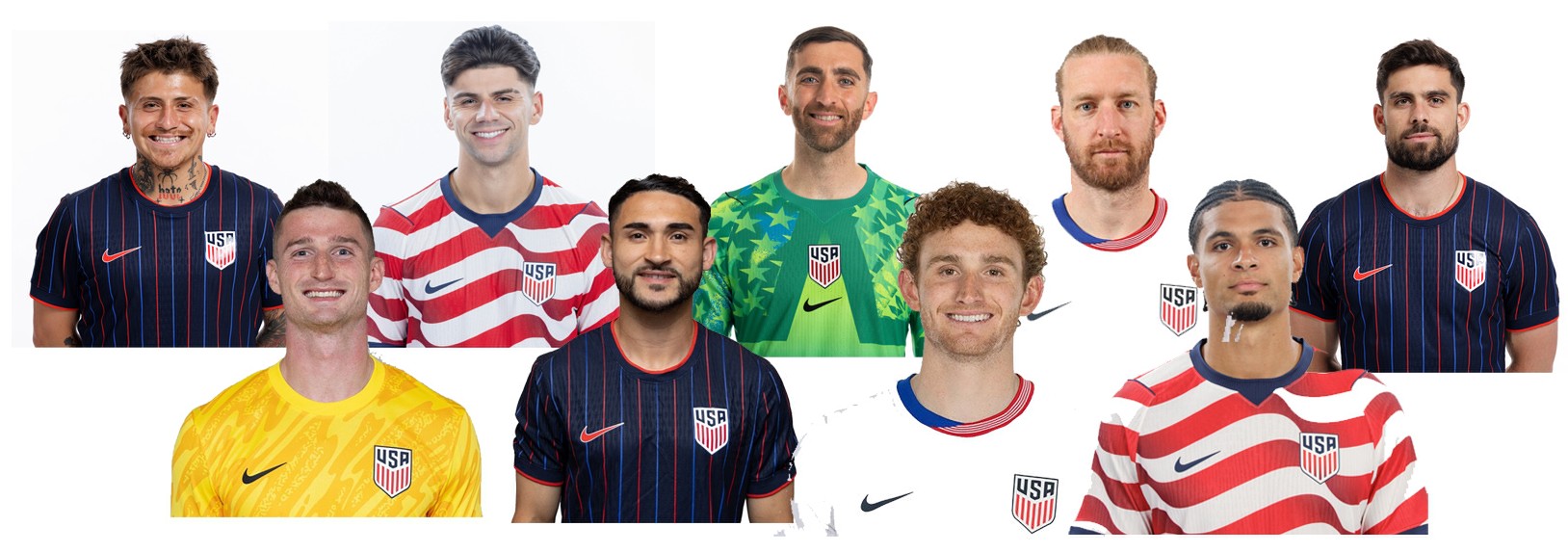
The growth and success of Major League Soccer has led to more players from around the world representing MLS at the World Cup, with this summer’s tournament expected to feature the highest total yet.
1998 was the first World Cup played after the launch of Major League Soccer. Here’s a breakdown of MLS-based players on World Cup rosters by year:
1998 – 18 (T-8th)
Tied with Liga MX for 8th most. This would the first and only time the USMNT World Cup roster
2002 – 11 (18th)
All 11 were from the USMNT
2006 – 15 (14th)
11 of the 15 were #USMNT players.
2010 – 6 (25th)
The lowest total to date. Only 6 MLS players, with 4 on the USMNT. This coincided with the peak of US players based in Europe.
2014 – 21 (10th)
Less than half were USMNT players, though the US still led the way the 10 most notably DeAndre Yedlin (20) getting the call.
2018 – 18 (11th)
This number likely would’ve been significantly higher had the USMNT qualified, potentially pushing MLS into the top 7–8 leagues.
2022 – 36 (6th)
The highest total yet, just behind Ligue 1 for 5th. Also worth noting, rosters expanded from 23 to 26 players for this tournament and the first time that the USA didn’t have the most players
Overall, the trend shows steady growth in MLS representation, both domestically and internationally.
MLS Pipeline Continues for the USMNT
It’s rare for a World Cup–qualified nation not to have a strong share of its players featured across tournament rosters. Canada was a recent exception in 2022, though their ties to MLS remain significant with multiple clubs in the league.
With roster selection less than a month away, it’s reasonable to expect that roughly a third of the #USMNT squad will come from MLS. Below is a positional breakdown of the MLS players Mauricio Pochettino has called in during his tenure as USMNT manager.
Goalkeepers
The USMNT is set to start an MLS-based goalkeeper at a World Cup for the first time, with all of the top options currently playing in MLS.
Chris Brady is one of the goalkeepers I’m most excited to watch in the coming cycles. He’s been performing at a high level in Major League Soccer and looks like a strong candidate to fill the long-term role as the USMNT’s primary starter over the next few cycles.
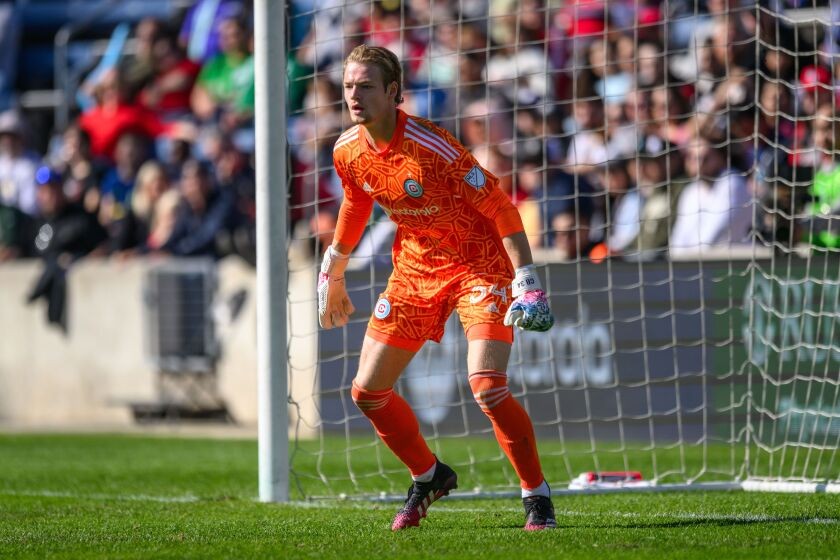
Chris Brady
Roman Celentano
Matt Freese
Patrick Schulte
Matt Turner
Defenders
Veteran center-backs Tim Ream and Miles Robinson seem likely to be selected with Blackmon a possibility depending on the health of the remaining pool. Arfsten seems to be almost a lock due to his ability to attack and create scoring chances with his crosses from the wing.
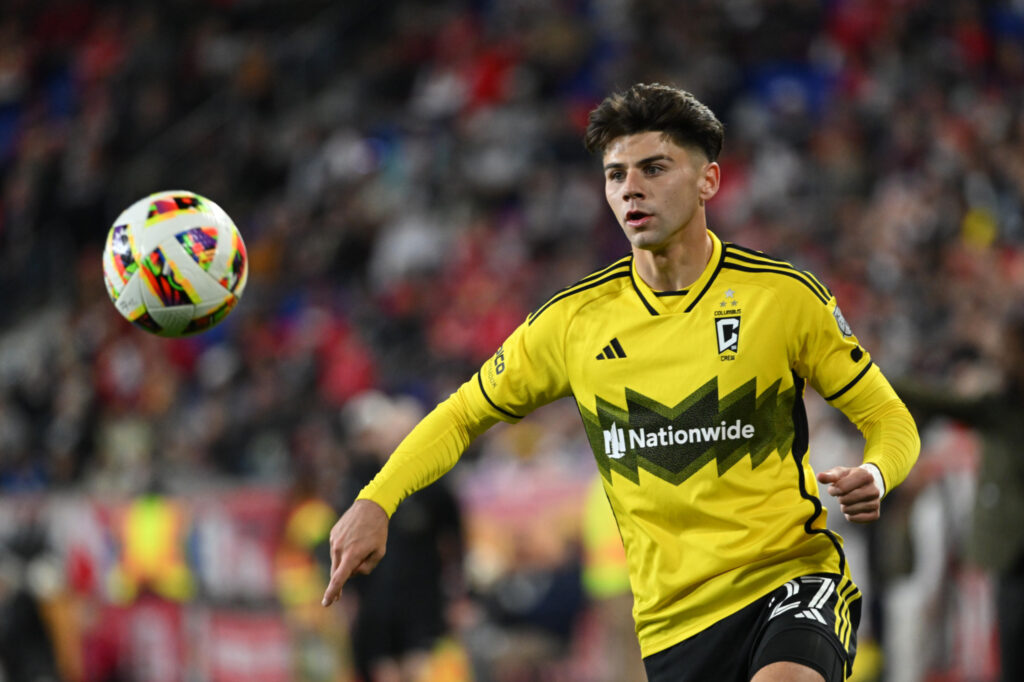
Max Arfsten
Tristan Blackmon
Tim Ream
Miles Robinson
Midfielders
The USMNT has strong depth in midfield, and Mauricio Pochettino’s recent roster selections suggest he’ll likely round out the squad with some of the players listed below.
One of the biggest gaps in this USMNT roster is the true dynamic, creative spark in the attacking third. Diego Luna stands out in that role, capable of unsettling defenses, breaking lines, and changing the rhythm of a match. He’s exactly the type of player who could thrive in a super-sub role, coming on against tired legs and making an impact at this summer’s World Cup.
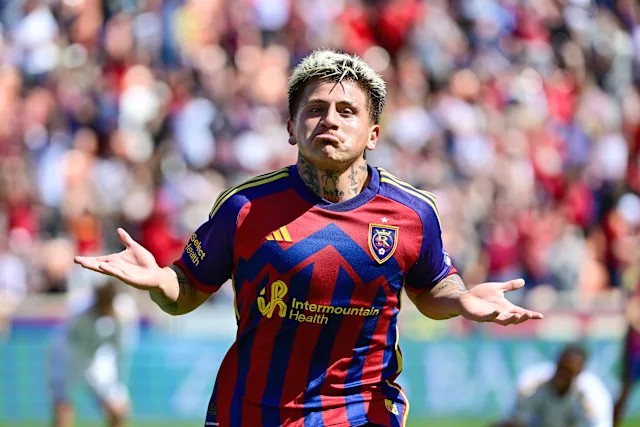
Sebastian Berhalter
Diego Luna
Jack McGlynn
Cristian Roldan
Timothy Tillman
Forwards
Striker may be the toughest position for the MLS group to crack the #USMNT World Cup roster, but Brian White is making a strong case, scoring eight goals in his first nine MLS matches at the time of writing.
Brian White is a highly productive, “old-school” style striker for the USMNT, known for his elite positioning, relentless work rate, and ability to finish in a variety of ways. That combination makes him a strong option as a striker off the bench, where he could be especially dangerous against tired defenses at this summer’s World Cup.
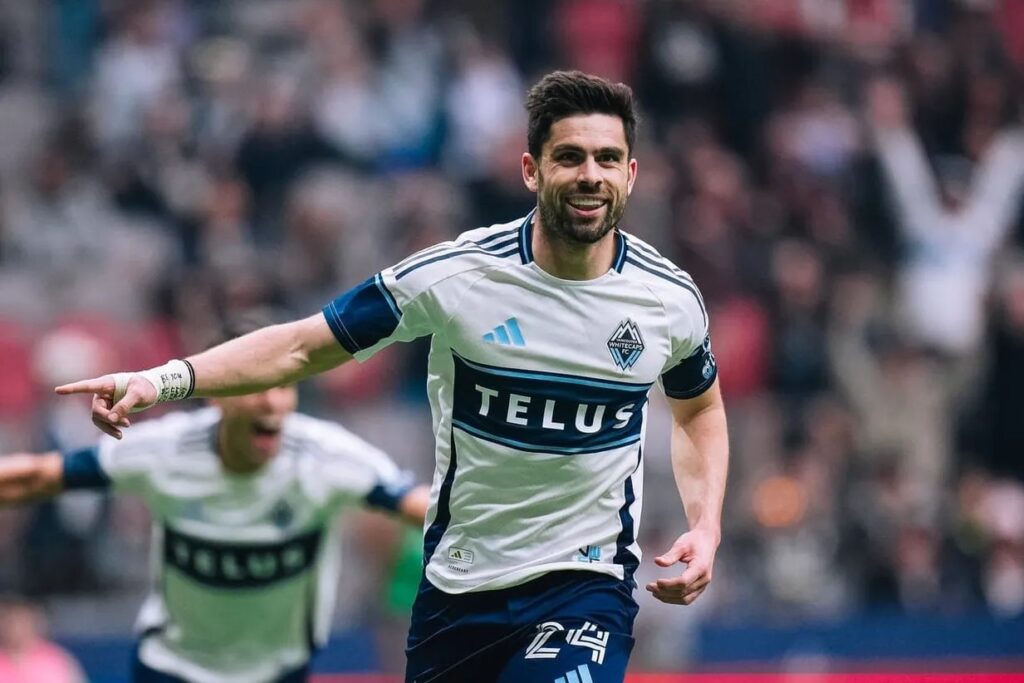
Paxten Aaronson
Josh Sargent
Brian White
MLS Representation in the USMNT Player Pool
Since 1998, the last time the majority of a USMNT World Cup roster was composed primarily of MLS-based players, it has become increasingly clear that a meaningful portion of the squad still comes from MLS. Consistently, roughly 30–40% of the roster has been drawn from the domestic league, reflecting a long-standing and relatively stable trend in player selection over time which I don’t seen changing anytime soon.
Club News
USL’s American Soccer Dream
USL made national headlines when they announced on February 13th, 2025, their plans to launch a Division One league, followed by the announcement of promotion/relegation on March 19th for the new Division One league, the Championship, and League One. If sanctioned by US Soccer, USL Division One would be of equal status to MLS and compete for the best major soccer league in the U.S. The implementation of promotion/relegation in the USL would become the first in the U.S. and test the question asked for many years, “would pro/rel work in the U.S.” USL HQ informed the public that they planned to have the inaugural season of Division One during the 2027-2028 season with promotion/relegation beginning in 2028.
Until November 3rd, with the announcement of Tony Scholes being hired as the President of the Division One, only three teams have applied for membership to the inaugural season of Division one: Louisville City, North Carolina FC (who announced at the time of the Scholes news that they would fold until the launch of Division One), and Pittsburgh Riverhounds. There has been a rapid expansion of teams in the already existing leagues since the two announcements. Teams joining League One are: Fort Lauderdale FC (2026 debut), New York Cosmos (2026 debut), Port St. Lucie SC (2027 debut), Sporting Cascades FC (2026 debut), and Rodeo FC (2027 debut). Fort Wayne FC and Sarasota Paradise would also be joining League One from League Two (2026 for both teams). For the Championship, Reno, NV will once again have a team planned for a 2027 debut. Along with those teams, USL is actively working to expand to other markets. The markets and partners they are looking at are Brevard County, FL (Space Coast Pro Soccer), Riverside, CA (Riverside Pro Soccer), Brownsville, TX (City of Brownsville), Winter Garden, FL (Central FL Pro Soccer), Santa Rosa, CA (City of Santa Rosa), and Pensacola, FL (City of Pensacola).
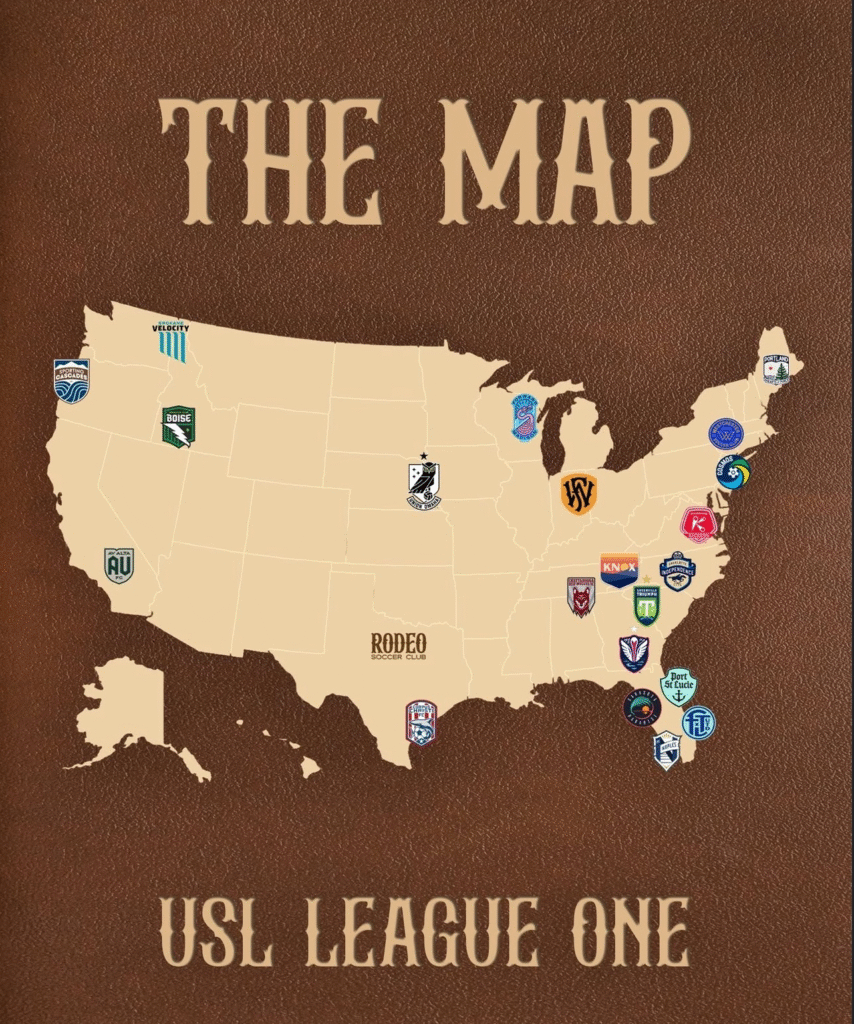
Along with these recently announced teams and partnerships, USL has teams joining the organization just in time for promotion/relegation that were announced prior to the February and March news. Starting with League One, these teams include: Corpus Christi FC (2026 debut) and Athletic Club Boise (2026 debut). As for the Championship, they will be adding Brooklyn FC (2026 debut), Sporting Jax (2026 debut), Atlético Dallas (2027 debut), Milwaukee Pro Soccer (TBD), USL Pro Iowa (TBD), Buffalo Pro Soccer (TBD), and Ozark United FC (2027 debut), while Santa Barbara Sky FC (2027 debut) would replace Memphis 901 FC.
Other than that, news on the Division One and promotion/relegation had been quiet until USL snatched Tony Scholes from the English Premier League. Tony Scholes will be the President of Division and help with the implementation of promotion/relegation. Scholes served as the chief football officer of the EPL and will join USL at the end of the EPL season. As of November 15, 2025, USL Division One has not been sanctioned as a division one league by US Soccer. The hiring of Scholes indicates that they are confident this new league will get approved or they have already been told it will, behind closed doors. The fact that we have not heard news on what the promotion/relegation format would be, and Scholes task would be to help implement it could mean that USL has not come to a decision on one. Since we do not have any ideas on what the format could be, I want to provide a possible option that they could go with.
One of the biggest questions people have had since the USL announced promotion/relegation was how they would tie it to the playoffs. There is an option they could do, but it would result in only having one playoff. USL would have a playoff for Division One, but they would eliminate the concept for the Championship and League One. It might not be the most popular idea here in the U.S., but the main goal for the lower leagues is to get promoted, not to win a trophy. They would retain the league title for those two leagues with the winner being the team with the most points at the end of the season, just like how it is in the European leagues. The purpose is to create fairness for the top performing team(s) in the two lower leagues and reduce confusion. If there is a need for a playoff format, they could adopt the format the Bundesliga uses where the 16th best team in the first division and the 3rd best in the second division face-off in a two-leg match to see who would be in the first division the following season. The other option is the Championship concept, where the teams who finished 3rd through 6th in the table compete in a promotion playoff. The semi-finals are two-leg matches while the final is a single-leg match. The winner is promoted to the EPL. The execution of promotion/relegation must be done perfectly to retain fans, gain fans, prevent confusion, and be entertaining.
USL already has a division one league with their women’s Super League, who is competing against the NWSL. Currently, the S League has only nine teams (Brooklyn FC, Carolina Ascent FC, Dallas Trinity FC, DC Power FC, Ft. Lauderdale United FC, Lexington FC, Spokane Zephyr FC, Sporting Jax, and Tampa Bay Sun FC) to the NSWL’s 14 teams (3 teams in the works). The Super League will be adding an additional nine teams (Athletic Club Boise, New York Cosmos, Ozark United FC, Buffalo Pro Soccer, Chattanooga Red Wolves FC, Forward Madison FC, Indy Eleven, Oakland Soul SC, and USL Palm Beach) with all but three to have their inaugural season to be determined. What makes the S League unique from the rest of the soccer leagues in the U.S. is that they use a fall-summer schedule. Competing against a top five women’s league in the world is a tall ask, but it shows the ambitions of USL.
They are also willing to take risks by voting to pass promotion/relegation for the men’s league and have a fall-summer schedule for the S League. If the S League schedule format proves successful, it stands to reason that they would move the men’s leagues to the same schedule. It would also avoid the organization from having to fight MLS for viewership when the leagues are in play, especially when they launch a direct rival and are at their most ambitious point in their history. The same can be done for the S League if promotion/relegation is successful for the men. USL can start establishing lower women’s leagues and introduce promotion/relegation to the women’s game here in the U.S.
Many would say USL still stands no chance at competing against MLS, even with promotion/relegation and having a division one league. That is the case when you look at the quality of the players is finance, but that is the reason why the USL made these decisions based on the reports prior to the announcements and afterwards. Promotion/relegation and the introduction of a division one league could see an increase in investors. We are already seeing that with the likes of Gio Reyna joining Fort Lauderdale as an investor, BellTower Partners investing into USL, Sofia Huerta and Kasey Keller joining the Athletic Club Boise ownership group, and the Chickasaw Nation becoming an investor of the OKC for Soccer just this year alone. Then there is the expansion fee for MLS, MLS Next Pro, and the USL leagues. MLS charges an astounding $500 million! Yes, the money is used to construct a proper stadium, acquire players, etc., but at this point it will discourage many from purchasing a franchise license. MLS currently only has two leagues and one of them is advertised as a development league to prepare for MLS. The expansion fee for an independent team to join MLS Next Pro is unknown, but Sports Business Journal reported in 2024 that it is significantly cheaper than the USL Championship. The fee to join the USL Championship is $20 million while League One is only $5 million. These two fees are significantly lower than MLS and that will be more appealing to potential owners, but unlike the MLS fee, it is not enough for a stadium, training grounds, and players. As for what the fee is to join USL Division One, that is unknown at the moment.
I highly recommend reading the ESPN article by Jeff Carlisle titled “Will USL’s Move to Pro-Rel Change U.S. Soccer, Threaten MLS?” In there, Carlisle discusses the reasons behind the decision and that it is mostly financial. For example, a USL spokesperson said they expect to see an increase in commercial revenue by 15% to 30% due to promotion/relegation. Also, the former owner of San Diego Loyal lost $40 million in 4 seasons. As for the reaction from MLS, we have not heard one yet. The only possible reaction we have seen from them is what the former MLS Next Pro president, Charles Altchek, told to Backheeled back on March 6th, 2025. In the interview, he told them they aim to have 40 to 50 teams and a possible second league with one of the MLS Next Pro leagues being a second division, putting it in direct competition with USL Championship. The biggest question is, whichever league that is, can compete for fans? Due to the Apple TV deal, we currently do not have the ratings of MLS Next Pro. The closest idea we have is the attendance, which is 5,580 for USL Championship per match to MLS Next Pro’s 3,361, according to Transfermarkt. Unlike the attendance, the viewership for USLC is much higher where the season premiere match had 453,000 viewers. MLS Next Pro’s massive expansion plan announcement date was either a coincidence, or MLS got word USL’s promotion/relegation implementation with the division one news, and this was their response. I will let you come to your own decision.
It seems, as of right now, it appears MLS will sit back and wait to see how the USL’s Division One and promotion/relegation will play. Division One and promotion/relegation will either be successful for USL and lead them to the financial success they are hoping for or lead to the possible collapse of USL. American sports fans are not the only ones keeping their eyes on USL now, but the rest of the soccer world is after their two massive news. The coming years are going to be exciting times for American soccer!
Club News
The constructing of a World Cup roster
Thomas Deschaine (@uskeeper on X and us_keeper on Instagram)
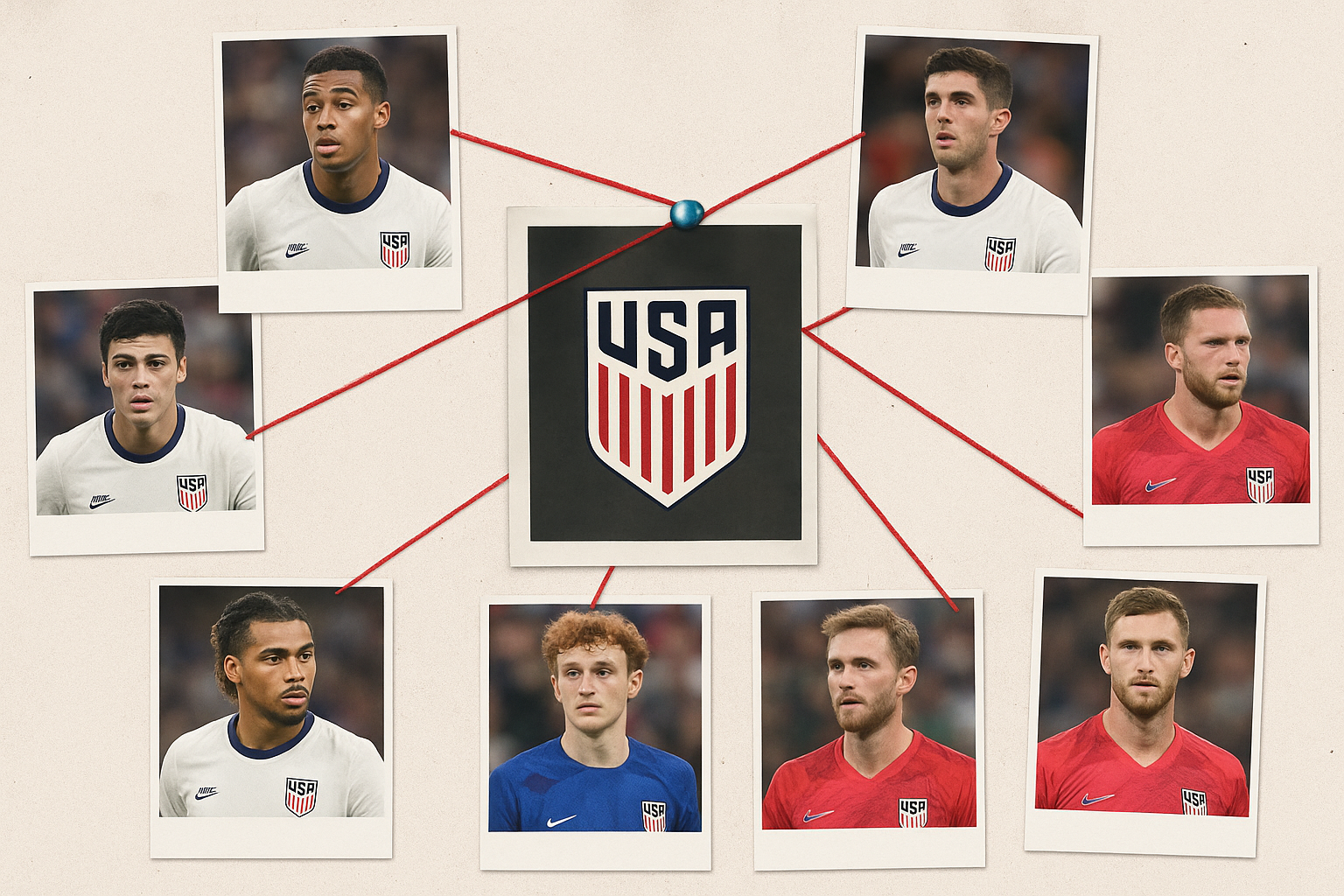
With the September FIFA window now in the rearview mirror, and only three more windows left before final rosters are set in late May or early June 2026, Mauricio Pochettino has drawn a clear line.
He’s stated that September’s camp was the “last camp to have the possibility for new faces.”
If we take him at his word, the nearly 70 players who’ve been called across six camps and the Gold Cup will form the pool from which he selects the 2026 World Cup squad.
Of the 60 players named to the 2025 Gold Cup provisional roster, only five, Maxi Dietz, Richie Ledezma, Tim Tillman, Caleb Wiley, and Griffin Yow, have yet to appear on a #USMNT roster under Pochettino.
Comparing the 2025 Nations League provisional roster to the Gold Cup list reveals over a dozen different players, raising the question: are these minor differences simply the edges of the player pool Pochettino intends to draw from?
Goalkeepers
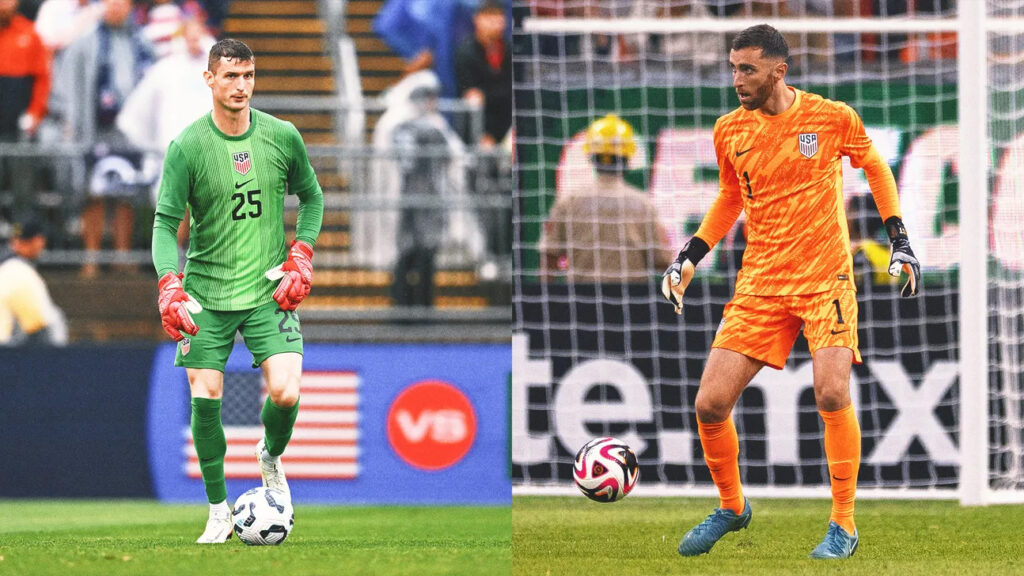
Nine goalkeepers have been called into Pochettino’s camps, but it’s clear that Matt Freese is his first-choice right now, with Matt Turner likely the No. 2 as we sit just 10 months from the World Cup.
- Chris Brady
- Drake Callender
- Roman Celentano
- Matt Freese
- Ethan Horvath
- Jonathan Klinsmann
- Diego Kochen
- Patrick Schulte
- Zack Steffen
- Matt Turner
Fullbacks
Outside of Sergiño Dest and Antonee Robinson, the USMNT’s fullback depth remains a concern. Pochettino appears high on MLS defenders Alex Freeman and Max Arfsten, while Caleb Wiley, though yet to feature in a USMNT camp but named to recent provisional rosters, could still be on his depth chart.
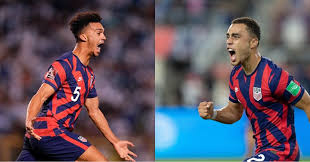
- Max Arfsten
- Sergino Dest
- Alex Freeman
- Marlon Fossey
- DeJuan Jones
- Kristoffer Lund
- Shaquell Moore
- Antonee Robinson
- Joe Scally
- John Tolkin
Centerbacks
Center back remains another position with uncertain depth. Chris Richards and the veteran Tim Ream look like locks for now, leaving three spots up for grabs. If Pochettino opts for a back three, that tactical shift could influence which players ultimately make the cut. Notably, Jackson Ragen and Maxi Dietz are the only center backs from the recent provisional rosters who haven’t been called into a USMNT camp.
- Noahkai Banks
- Tristan Blackmon
- George Campbell
- Cameron Carter-Vickers
- Mark McKenzie
- Tim Ream
- Chris Richards
- Miles Robinson
- Auston Trusty
- Walker Zimmerman
Central Midfielders
The central midfield position is the deepest for the #USMNT, with many players in the pool capable of also playing fullback, center back, or winger. Although Richie Ledezma has primarily played as a right back and right wing-back for his current club and for PSV last season, USMNT coaches view him primarily as a midfielder. This likely explains why he hasn’t yet been called into a USMNT camp.
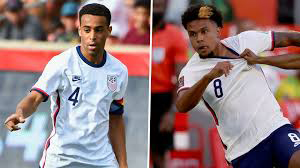
- Tyler Adams
- Sebastian Berhalter
- Gianluca Busio
- Johnny Cardoso
- Ben Cremaschi
- Luca de la Torre
- Emeka Eneli
- Jack McGlynn
- Weston McKennie
- Aidan Morris
- Yunus Musah
- Tanner Tessmann
- Sean Zawadzki
Attacking Midfielders
There are several players at this position who could add real quality and play pivotal roles for the #USMNT at next summer’s World Cup. Gio Reyna remains a major question mark, but his talent is undeniable. With his recent club change, there’s hope he can return to the high level of form we’ve seen from him in the past.
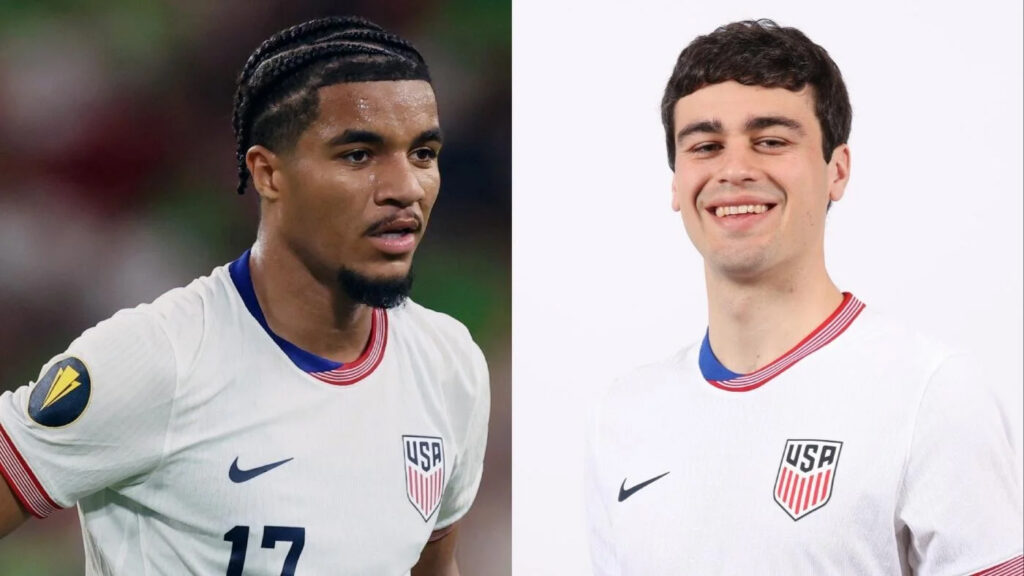
- Brenden Aaronson
- Paxten Aaronson
- Brian Gutiérrez
- Djordje Mihailovic
- Matko Miljevic
- Gio Reyna
- Malik Tillman
Wingers
The winger position remains thin for the #USMNT, though several players there can also slot in as attacking midfielders, strikers, or even fullback. Notably, two young wingers, Cole Campbell and Griffin Yow, appeared on provisional rosters but have yet to be called into any Pochettino camp.
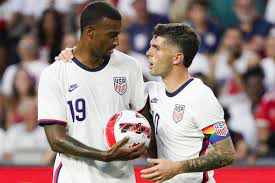
- Cade Cowell
- Diego Luna
- Christian Pulisic
- Quinn Sullivan
- Indiana Vassilev
- Tim Weah
- Haji Wright
- Alejandro Zendejas
Strikers
Another area of concern for the USMNT is striker depth. While the top options have all produced well for their clubs when healthy, injuries have kept the pool thin. If everyone is fit, the primary competition for the starting role likely comes down to three players: Folarin Balogun, Ricardo Pepi, and Josh Sargent. Haji Wright and Tim Weah can also step in as center-forward options if needed.
- Patrick Agyemang
- Folarin Balogun
- Damion Downs
- Jesus Ferreira
- Ricardo Pepi
- Josh Sargent
- Brandon Vazquez
- Brian White
Conclusion
It’s tough to read Pochettino’s mindset right now. Many expect fewer MLS players to be called for the October window, partly because the league continues through FIFA dates and the regular season ends mid-October.
Most World Cup rosters largely select themselves, with only a few surprising omissions, think of the 1994 squad, which left out several players many felt deserved a spot.
But with Pochettino still showing a shaky grasp of the USMNT player pool, this cycle could produce more notable snubs than ever, though there’s still time for him to get it right.


The Next USMNT Star That Never Was: Revisiting America’s Biggest Teenage Prospects

Building the Next Generation: Who Should Be on Pochettino’s USMNT Radar?

Mauricio Cuevas Taking “Huge Step Forward” in Liga MX
-
 Club News6 years ago
CJ dos Santos, Benfica
-
 USMNT2 years ago
Gregg Berhalter’s Legacy
-
 Club News6 years ago
Give: Support Chasing a Cup by Supporting our Cause
-
 USMNT2 years ago
Medals on their Minds
-
 Club News7 years ago
Julian Vincente Araujo
-

 Club News2 years ago
American Transfers: Stock Up & Stock Down
-
 USMNT3 years ago
USMNT Kits Come in Different Styles and Colors
-
USMNT4 years ago
World Cup Format History