Connect with us

USMNT

Are You Experienced?

Published

on

Following the first six games of the Ocho, a media narrative has tried to gain traction that excuses the inconsistent performances on the age of the players.  There is no doubt most of the players are young.  But are they so much more inexperienced than prior teams?

You might ask, well, if their average age is younger than past teams, how could they not be less experienced professionally?  It is a good question, and the answer is that the development of players in the USA has radically changed.  In the past, kids went to college at 18 and stayed amateur, playing the unique NCAA game on a limited schedule, until they were drafted by MLS teams or moved abroad at 21-22.  So, the starting Defensive Midfielder on the 2002 World Cup team, Pablo Mastroeni, could be 25 and thus three years older than Tyler Adams is now.  But Adams has been a pro since 16, with 6 years of experience.  Mastroeni went to North Carolina State for four seasons and didn’t turn pro until he was 22.  

If you look at past rosters, there were some older players that had more experience even with the delayed start.  But the difference isn’t that great.  Here is the lineup against Mexico in the 2002 World Cup versus the lineup against Costa Rica last month:

2002

age

years pro

Years Top


Berhalter

28

8

0

Sanneh

30

6

3

Pope

28

6

0

O’Brien

24

4

4

Mastroeni

25

4

0

Reyna

28

8

8

Wolff

25

4

0

Donovan

20

3.0

0

McBride

29

8

0

Lewis

28

6

1


Average

26.5

5.7

1.6


2021

age

years pro

Years Top

Dest

20

2

2

Miles

24

4

0

Richards

21

1

1

Jedi

23

4

1

Wes

22

4

4

Adams

22

6

2

Musah

18

1

1

Aaronson

20

2

1

Pepi

18

2

0

Weah

21

3

3


Average

20.9

2.9

1.5


The average ages are starkly different.  The 2021 team is, on average, almost 5 years younger.  But the 2021 team is only a little less than 3 years less experienced.  A number that is being reduced every day as the current players play.

The final column for both teams is the average seasons playing in a Top 5 league.  As you can see, the “inexperienced” team of “kids” has equivalent time at the highest level.  This is another consequence of the change in development path.  NCAA soccer is just not a good development environment for players looking to turn pro.   So, Americans coming out of college usually had to start their careers in second divisions or minor leagues.  If they started in MLS, very few were even allowed to be sold to Europe.  So, by the time a player settled, learned the game, and got good enough to get the interest of an EPL team, for example, they might be 24 like Clint Dempsey or 28 like Brian McBride.

The team against Costa Rica was missing several first-choice players.  If we add them in, then the “inexperienced” team is more experienced:

2021

age

years pro

Years Top

Dest

20

2

2

Miles

24

4

0

Brooks

28

9

9

Jedi

23

4

1

Wes

22

4

4

Adams

22

6

2

Musah

18

1

1

Pulisic

23

5

5

Sargent

21

3

3

Reyna

18

1

1

       
Average

21.9

3.9

2.8


The two 18-year-olds still bring the Years Pro number down a bit.  But you can see that experience at the highest level of the game is almost double even as the average age is still 4+ years younger.

So, while the current team is young, they are not wildly inexperienced by historical standards.  

Panama…

It seemed no performance was explained away as the vicissitudes of a “young and inexperienced” team than the loss in Panama.  It was a historically bad result, very few games have been lost over the last two decades against Central American teams not named Costa Rica.  But was it due to the team being young?  Here is the lineup that started the game:


Moore

25

4

0.5

McKenzie

22

5

0

Zimmerman 

28

8

0

Bello

19

4

0

Musah

18

1

1

Acosta

26

8

0

Lletget

29

6

0

Arriola

26

9

0

Zardes

30

8

0

Weah

21

3

3

       
Average

24.4

5.6

0.45


This lineup is the oldest we have fielded so far!  If you take Musah out, who is the only first choice player in the eleven, then you get a team that averages over 25 years old.   What stands out is this older group has almost no experience at a level above MLS.  The meager Top 5 experience was negligible with Weah pretty much the only player with more than a year at that level followed by the youngest player, Musah.  Shaq Moore had a cup of coffee a few years back in La Liga and then that is it.

If you, again, take Weah and Musah out (two new generation players), you have a lineup with the age profile of the 2002 team, with the same professional experience, but none of the top league experience.  This is the Lost Generation affecting qualifying again.  Dropping an important point or more, in a historically bad result.  It has been an emphasis of Berhalter to try and find players in the Lost Generation and force them into the team.  But when they were given a chance, together, in this game they came up short.  Just like they always have.

Former players will say that Top 5 experience or Champions League experience is no substitute for “Concacaf” experience.  I was a fan of all of them, but let’s face it, much of the previous USMNT players that say such cliches never played in the Champions League.  Certainly, never played for Champions League contenders like Barcelona or Chelsea.  If we look at the data above, age doesn’t seem to be an issue.  But experience in the top leagues in the world does seem to be.  

Going forward we need to change how we think of the words “young” and “experienced”.  It is very plausible that 22-year-old Pulisic has far more experience than 30-year-old Zardes.  That experience at the top of the world soccer pyramid trumps age.  That the coach that played so many older, but really less experienced, players together made a major miscalculation.

Continue Reading

USMNT

Will the Next USMNT Manager Be American?
Published

on

Thomas Deschaine (@uskeeper on X and us_keeper on Instagram)

I said after Mauricio Pochettino’s extension that I didn’t expect him to make it through the 2030 cycle as #USMNT manager, whether due to results or another club offering him a deal he couldn’t refuse. However, I never expected things to reach this point so close to the start of the cycle.

In some ways, the timing might not be the worst, provided US Soccer can quickly interview and hire a replacement well before the March FIFA window. That said, I was really starting to buy into Pochettino’s vision and his commitment to building the #USMNT around youth.

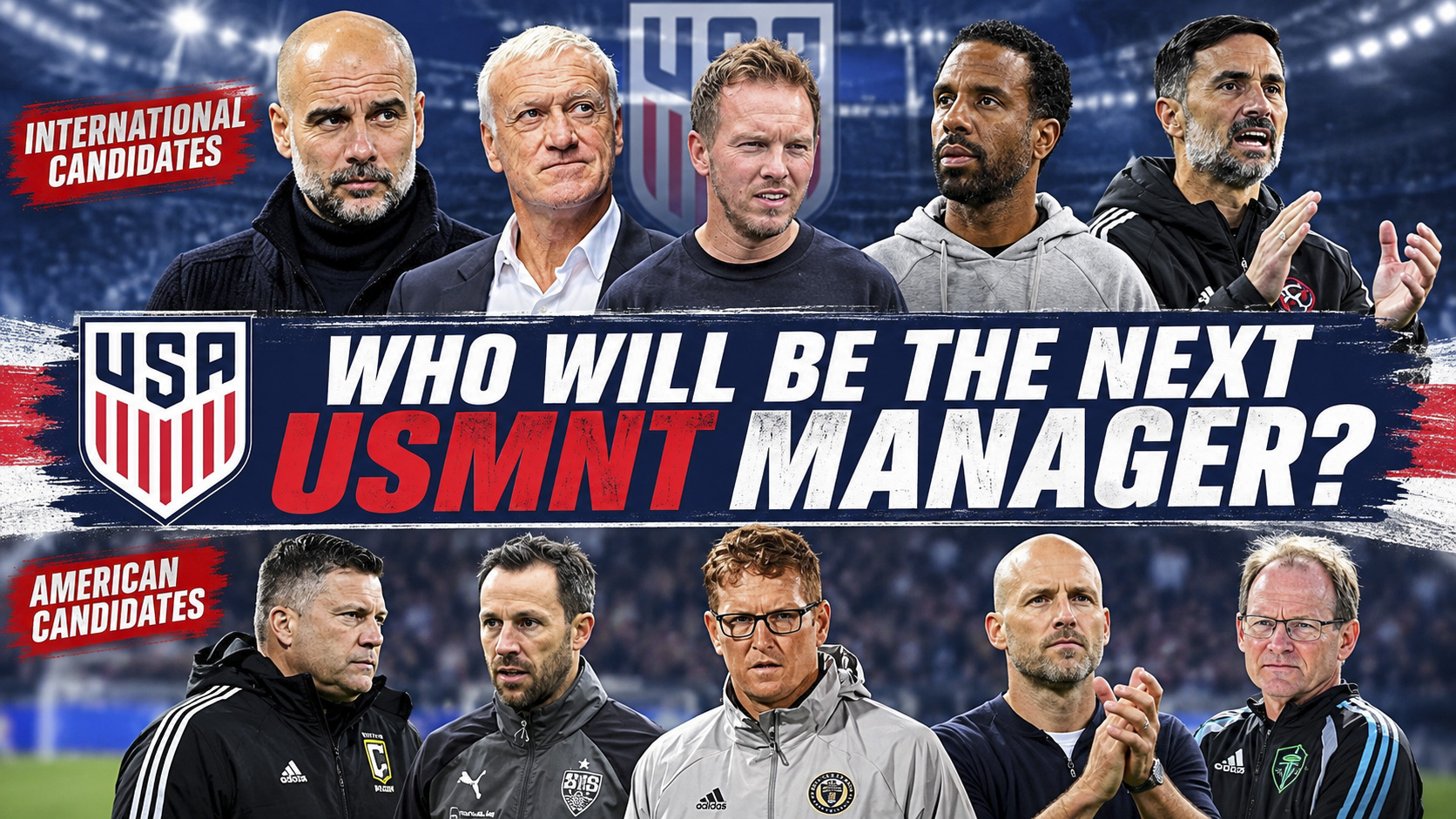
Hopefully, US Soccer recognizes the value of having a high-profile manager and pursues another big name like Pep Guardiola, Didier Deschamps or Julian Nagelsmann. My gut, however, tells me they’ll pivot back toward an American coach or an experienced MLS manager like Wilfried Nancy.

Another intriguing option is Marko Mitrović, former U19, U20 and U23 USMNT manager and current New England Revolution coach. He already has experience working with many of the young players in the current player pool.

Here’s a look at some of the most likely American candidates to become the next USMNT manager.

Michael Bradley (39)
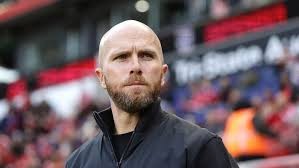
I truly believe Michael Bradley will someday manage the USMNT. His soccer intelligence, leadership qualities, and playing experience across Europe and MLS give him both an international perspective and a deep understanding of American soccer culture. However, Bradley likely projects more as a candidate for the 2034 cycle at the earliest and he still needs time to develop at the club level.

B. J. Callaghan (45)
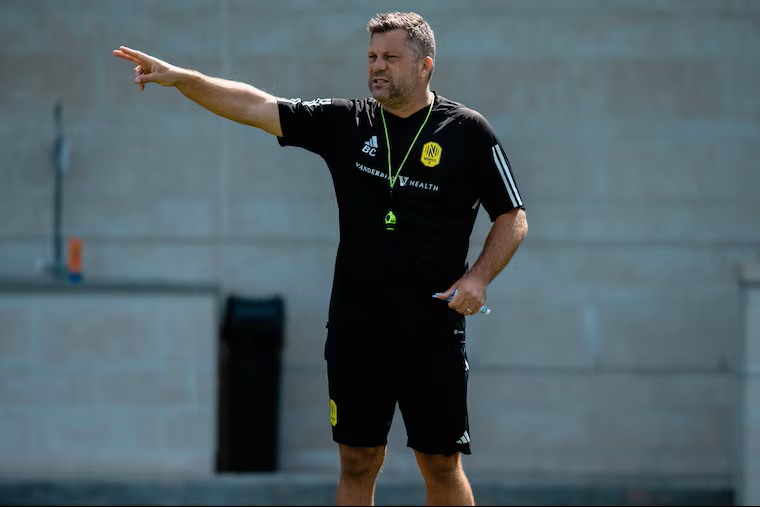
It would be difficult not to include B.J. Callaghan after the positive impression he made as interim USMNT manager. Coming off an MLS-best record and Supporters’ Shield title, Callaghan continues to demonstrate his ability to prepare and get the most out of his teams despite a relatively limited managerial résumé. He earned the trust of the players and fans by delivered strong performances during his time with the national team. If the position opens again, U.S. Soccer would almost certainly explore his interest.

Steve Cherundolo (47)
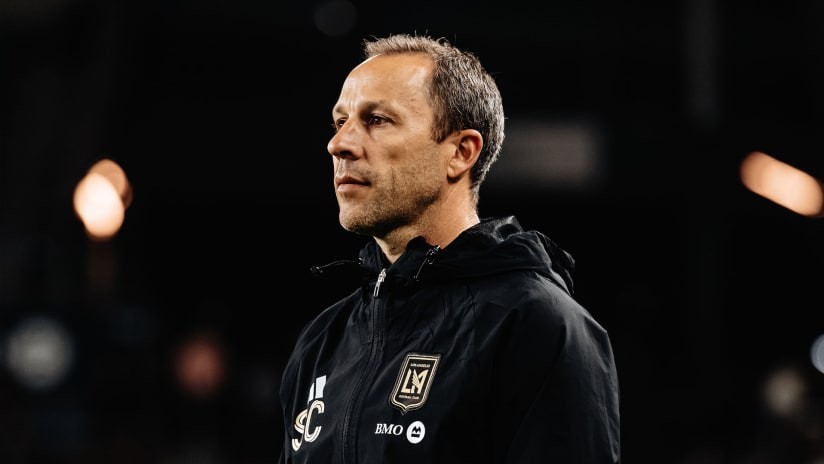
Steve Cherundolo may be one cycle away from becoming a serious candidate, especially after recently leaving MLS to return to Germany. Still, his experience as both a player and manager at high levels of the game makes him someone U.S. Soccer should strongly consider.

Jim Curtin (47)
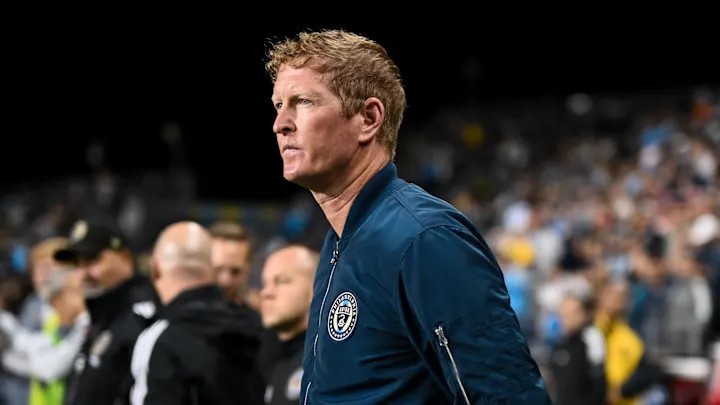
If Pochettino can be convinced to leave the #USMNT, perhaps newly appointed Austin FC manager Jim Curtin could also be persuaded to make the move if U.S. Soccer views him as the right fit. His success with the Philadelphia Union, highlighted by winning the 2020 Supporters’ Shield, showcased his ability to build a strong team culture and maximize the talent at his disposal.

Pellegrino Matarazzo (48)
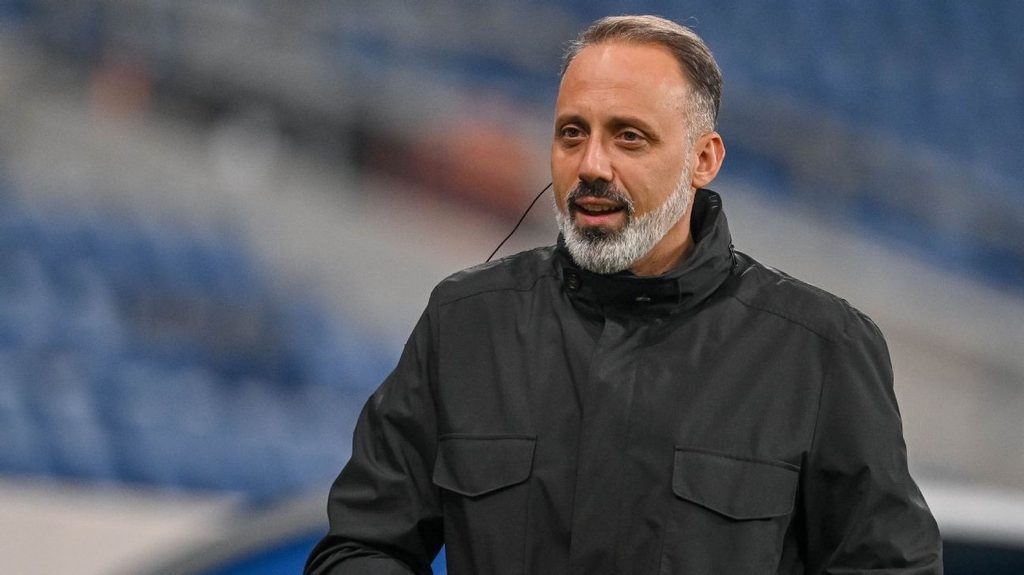
I’m not convinced U.S. Soccer would seriously pursue Pellegrino Matarazzo, but hopefully I’m wrong. His success coaching in Europe has made him one of the most respected American-born managers in the game and a popular choice among many fans for the future of the USMNT.

Brian Schmetzer (63)
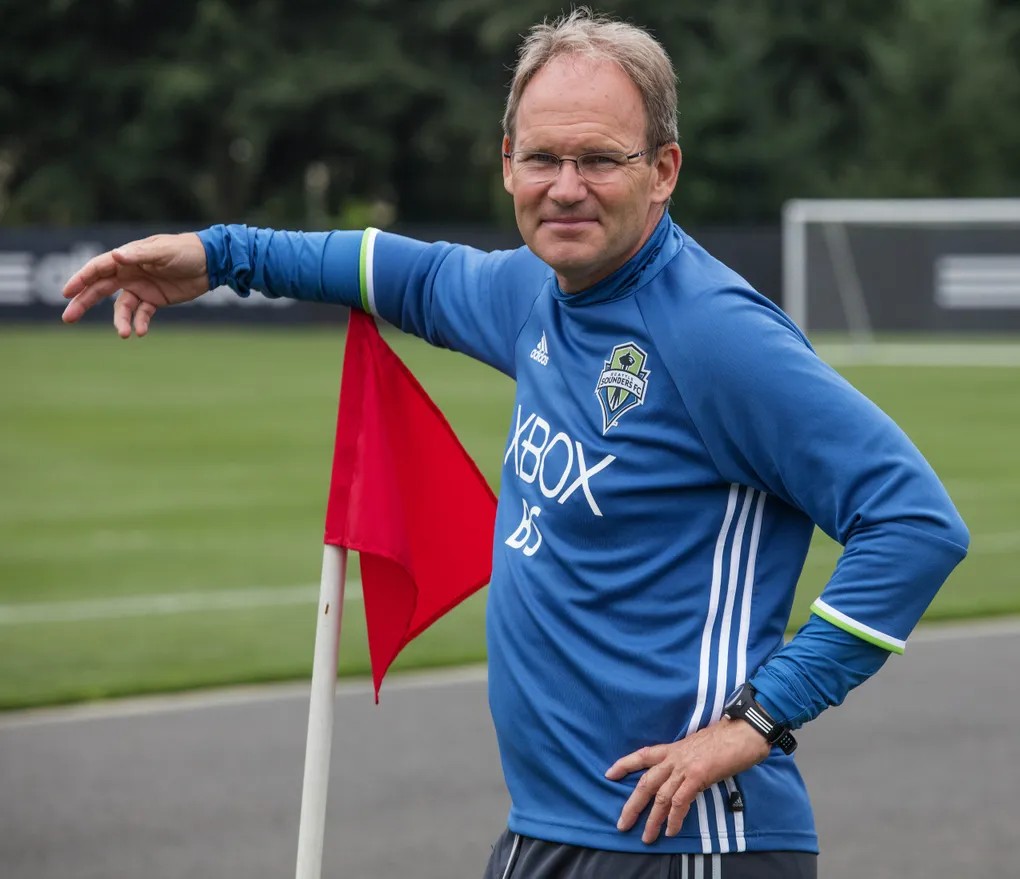
With eight trophies to his name, Brian Schmetzer may be one of the strongest and most accomplished domestic candidates available. His biggest achievement came when he led Seattle Sounders FC to the 2022 CONCACAF Champions League title, becoming the first MLS club to win the tournament under its modern format.

Peter Vermes (59)
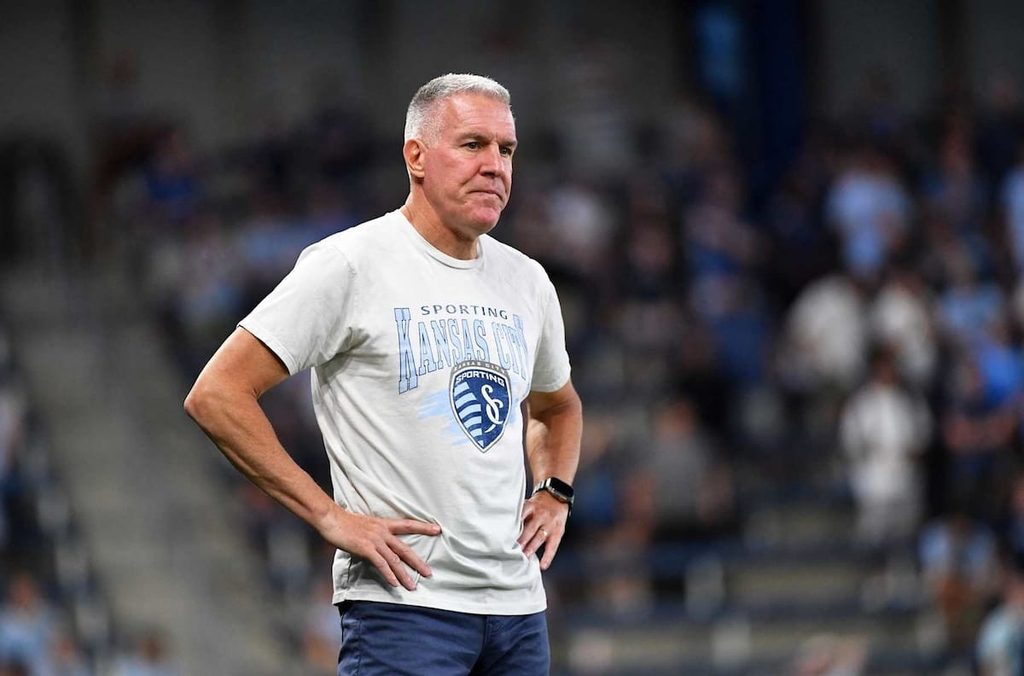
Former USMNT striker Peter Vermes deserves consideration given his success at Sporting KC, where he won four trophies as a manager. Vermes previously turned down interest from U.S. Soccer, but with him no longer actively coaching at club level, the timing could finally align for a move into the international game.

The Importance of Having a Succession Plan

The next USMNT manager could inherit a player pool filled with established veterans and exciting young talent, but U.S. Soccer’s vision and priorities have shifted frequently between cycles. If Pochettino is indeed leaving, that could send the federation in a different direction with its next hire. 

My hope is that the long-term vision remains consistent with the approach heading into the 2022 World Cup. Given that Pochettino’s contract reportedly included a $10 million buyout clause, you would hope U.S. Soccer had contingency plans and potential replacements in mind. In recent cycles, the federation has appeared less prepared with backup options than it was in the past. How quickly U.S. Soccer moves will be important, but the search cannot drag on indefinitely. A process lasting a few months is reasonable, provided the federation identifies the right candidate well ahead of the next major FIFA window.

Continue Reading

USMNT

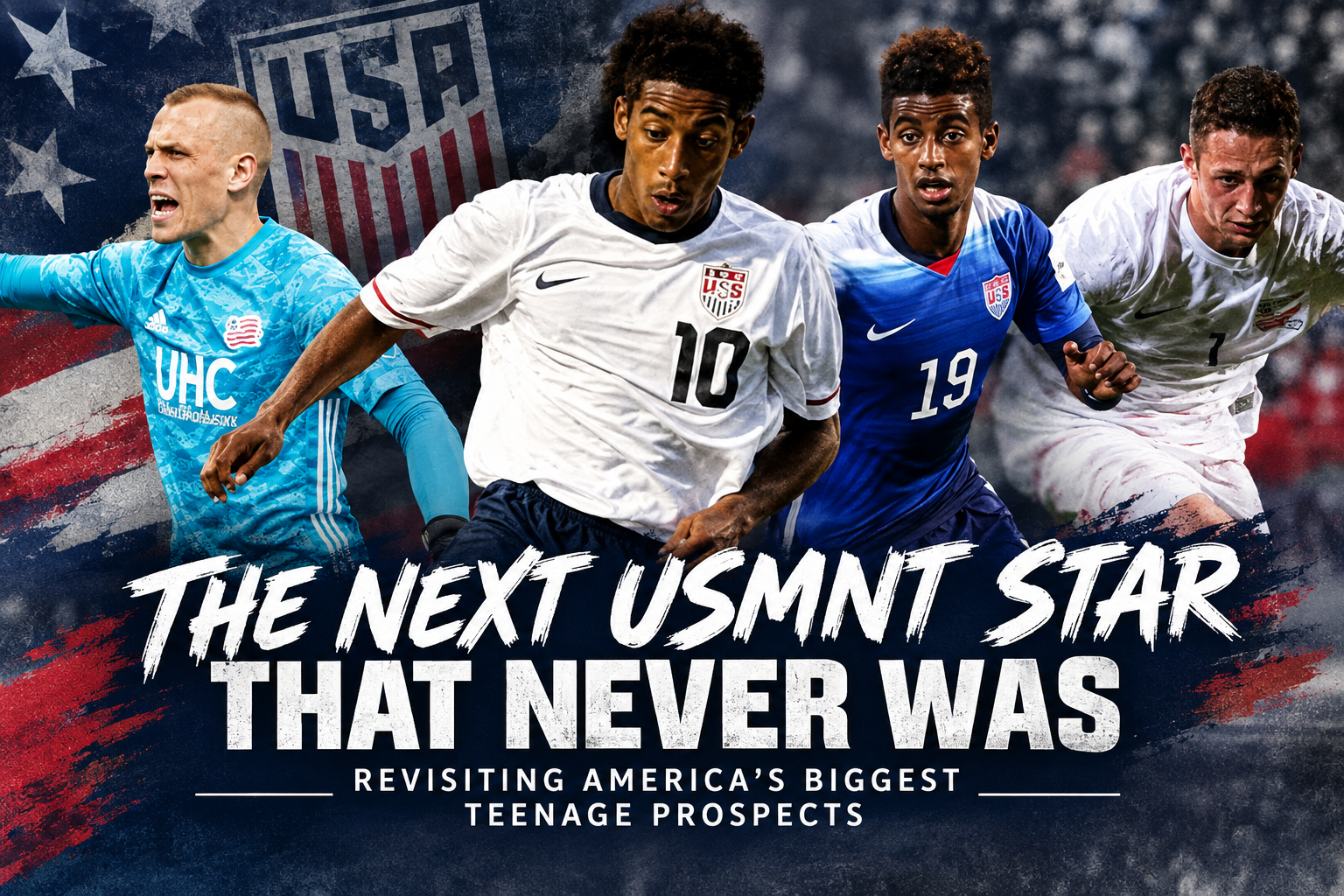
The Next USMNT Star That Never Was: Revisiting America’s Biggest Teenage Prospects
Published

on

Thomas Deschaine (@uskeeper on X and us_keeper on Instagram)

With the next wave of highly rated teenagers likely to be brought into the #USMNT during the 2030 World Cup cycle, I decided to look back at some of the young players who were once hyped as the next stars of the U.S. Men’s National Team but never established themselves as regular internationals.

Freddy Adu would seem to be at the top of this list. While he never became a regular for the #USMNT or the world-class face of U.S. Soccer many expected, he still earned 17 caps, scoring 2 goals and adding 3 assists. In many ways, he accomplished more at the international level than most of the players who are listed below combined.

Which former USMNT prospects did I miss, players who are no longer playing or are past their prime, who deserve to be on this list?

Cody Cropper – GK – 0 caps

U.S. youth international and longtime goalkeeper prospect who reached the Southampton and MLS systems but never earned a senior cap.

Junior Flores – AM – 0 caps

Creative midfielder who joined Borussia Dortmund’s system as a teenager and was viewed as a major U.S. prospect, but never reached the senior USMNT.

Eddie Gaven – MF/W – 8 caps

Teenage MLS phenom who became a league standout, but despite eight USMNT appearances, his international career never developed further.

Luis Gil – AM – 2 caps

One of the most hyped American midfield prospects of his generation; debuted for RSL at 16 but never translated that promise into a sustained USMNT career.

Emerson Hyndman – MF – 2 caps

Highly rated central midfielder who broke through at Fulham and earned two USMNT appearances, but never established himself internationally.

Perry Kitchen – DM/CB – 5 caps

U.S. youth captain and defensive midfielder who became a regular MLS starter, but his senior international career stalled after five caps.

Will Packwood – CB/DM – 0 caps

Birmingham City prospect who became the youngest American to play in the English Championship, but injuries severely disrupted his development.

Marc Pelosi – LB/CB – 0 caps

Highly regarded defender who moved to Liverpool as a teenager, but injuries and limited senior opportunities derailed his path to the USMNT.

Gedion Zelalem – MF – 0 caps

Arsenal wonderkid and one of the most highly regarded U.S. prospects of his generation. Injuries and inconsistent senior opportunities slowed his development, and he never made a senior USMNT appearance. 

The number of young USMNT players in this September/October window is something we haven’t seen in quite some time. Some will catch the eye of newly extended USMNT manager Mauricio Pochettino, while others may not, but all of them have an opportunity during this cycle to make their case for World Cup qualifying and, ultimately, a spot on the 2026 World Cup roster.

It all starts now, and it should be fun to follow their development over the next four years.

Continue Reading

USMNT

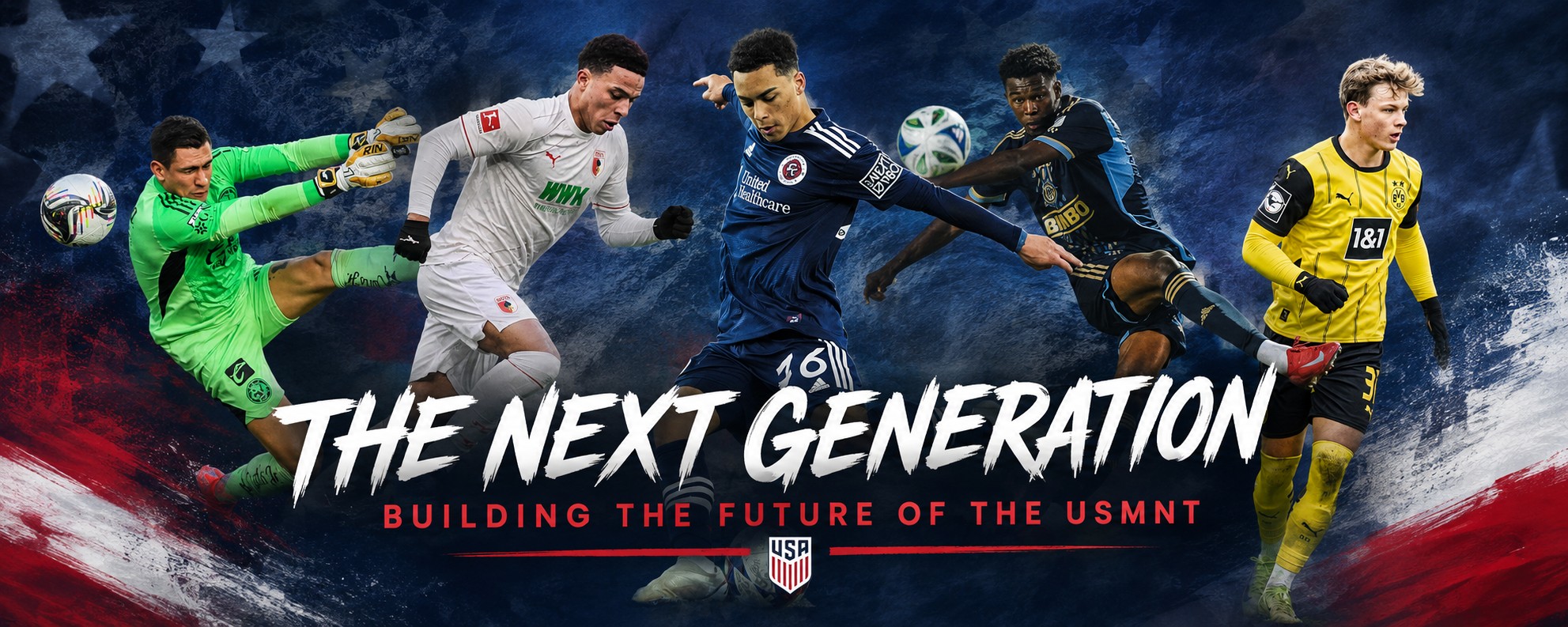
Building the Next Generation: Who Should Be on Pochettino’s USMNT Radar?
Published

on

Thomas Deschaine (@uskeeper on X and us_keeper on Instagram)

Header_NextGen

With the USMNT manager in place and the new cycle underway it’s time for recently extended Mauricio Pochettino to get some new young players on his radar and what better time to do this than the September/October double FIFA window.

There are several U-23 players like Josh Wynder, Jalen Neal, Rokas Pukstas, Diego Kochen, Jonathan Gomez, Caleb Wiley, Cole Campbell, Chris Brady, Gaga, Slonina, Niko Tsakiris, Damion Downs, and Benjamin Cremaschi who have no caps order less than a handful with the USMNT. 

Will USMNT snubs or overlooked players opportunities be during the 2030 cycle look like? Players like Diego Luna, Tanner Tessmann, Aidan Morris and Camron Carter-Vickers to name a few, we have to wonder how or if they will be part of this cycle of players. I would suggest some will likely get the opportunity in the early part of the cycle but will need to be performing n with their club to remain getting called back into camps.

Integrating a few of these youth USMNT players during each window for the first half of the cycle will allow Pochettino to evaluate them up close and see if there might be a role for them during this next cycle.

It’s extremely important that the USMNT have a few on their current U-20 teenagers’ breakthrough and become a reliable part of the USMNT in the second half of the cycle. 

The below players will have an opportunity to play in next years U-20 World Cup being hosted by Azerbaijan and Uzbekistan as well as hopefully if their clubs release them being part of the 2028 Olympics USA Football squad to hopefully medal for the first time since 1904 when the US had two teams win Silver and Bronze. I think it’s also important to look at these players alongside some of the core USMNT in the upcoming window to see how they can integrate with one another.

Mathis Albert-17-Winger

Noahkai Banks-19-Centerback

Cole Campbell-20-Midfielder/Winger

Zavier Gozo-19-Winger

Julian Hall-18-Winger

Malik Jakupovic-17-Striker

Adri Mehmeti-17-Central Midfielder

Peyton Miller-18-Left Midfielder/Winger

Neil Pierre-18-Centerback

Cavan Sullivan-16-Attacking Midfielder

Whether we see all of these players, or just a handful, through the first half of the cycle, hopefully leading into another Copa América appearance, it’s clear that the time has come for Pochettino to begin integrating the next generation of USMNT players into the senior pool. How quickly that transition happens will be one of the most interesting storylines to follow.

Continue Reading

Trending