

USMNT
World Cup for the Ages
As the US Men’s National Team wrapped up their final International window before heading to the World Cup in Qatar they are posed to possibly have one of the youngest teams in World Cup history if the roster allows.
Since the 1950 World Cup, there have been eight teams with an average below 24.0, with the best finish among those eight teams being the 1966 North Korea n team who lost in the quarterfinal to Portugal and had an average roster age of 22.455, Turkey was the team with the next best-finish at the 1954 World Cup and had an average age of 23.409, but wasn’t able to advance out of the Group Stage.
It’s worth noting that the US Men’s National Team from the 1990 World Cup field is a team with an average age of 23.591 & finished 23rd of 24 teams. While the USMNT World Cup team will be slightly older than 1990, they have something that the “Modern Era” teams of the 1990s’ didn’t have with is a high level of competitive club soccer, with nearly 70% of the primary player pool and is playing throughout Europe.

A look at the USMNT World Cup Rosters Age Data
1950- Had no players 20 and under on their 18-man USMNT roster
1990- Had no players in the 29 to 32 or 33 and older age category
1998 & 2006- I think it’s telling to note that both the 1998 and 2006 USMNT rosters didn’t have any players in the 20 and under category and both have nearly a 28.4 average roster age. Both teams failed to get out of the Group Stage.
2010-The USMNT had the highest amount of players in the critical 25 to 28 range at over 43%.
2018-The values for the 2018 projected squad are based on a 35-man roster and based on comments made by Bruce Arena on who he would have likely brought to the World Cup along with writers’ projected USMNT squads. It’s enough to get an idea of what the average age would have been along with the
For the 2022 USMNT roster it will likely not have any players in the 33 and older range on their roster unless somehow Tim Ream is selected.
Headed into the 2022 World there are legends Lionel Messi (35) and Cristiano Ronaldo (37) if healthy will be participating in their fifth and likely final World Cup along with many other world greats who are also likely to be playing in their final World Cup, Robert Lewandowski (34), Luis Suarez (35), Edinson Cavani (35), Luka Modric (37) and Manuel Neuer (36)
It’s clear by looking at this graph that since 1950 we’ve seen the average age of the Top 8 teams increase seeing a low average age of 25.66 during the 1966 World Cup to the highest average in 1998 of 27.51 of the top 8 finishers.

The age of 25 to 28 in all World Cups except in 1966 represented the most common age range seen with as high as 49.4% of the roster having players between 25 to 28 grouping and as low as 34.1%.
Pelé is the youngest player in history to win a World Cup with Brazil in 1958 at the age of 17. Pelé was also on the youngest team, the 1970 Brazil National Team to win a World Cup with an average age of 24.41.

Julian Green currently holds the record for being the youngest USMNT selected to a World Cup roster, earning a cap and scoring a goal, and is currently the 7th youngest in World Cup History to score goals with an age of 19 years, 25 days. Of the USMNT Players involved.
https://www.youtube.com/watch?v=FZrPJyqw3mk
Julian Green Goal at 1:23 on video
In the same 2014 World Cup that saw the youngest-ever USMNT player score, it also had the oldest USMNT player Jermaine Jones score an amazing goal vs Portugal.
https://www.youtube.com/watch?v=PqlPStfkoAo
Frank Moniz from the 1950 World Cup is the oldest USMNT player to be selected to a roster nearly 38 years and 9 months old, with Fernando Clavijo being the oldest USMNT player to be capped and a starter during the 1994 World Cup where he started the last 3 matches and ended his USMNT career with a red card vs Brazil in the Round of 16.

With November 20th rapidly approaching a lot of questions remain for the US Men’s National team and whether or not they will be able to put everything together and get out of their group. A lack of veteran leaders are missing from this very young yet talented group and when they get on the biggest soccer stage in the world they are going to be able to use the experience and playing at one of the highest levels in Europe to overcome their age, experience and at time maturity at the 2022 World Cup and be one of the youngest teams to advance to the knockout stage, this USMNT fan truly hopes so.

USMNT
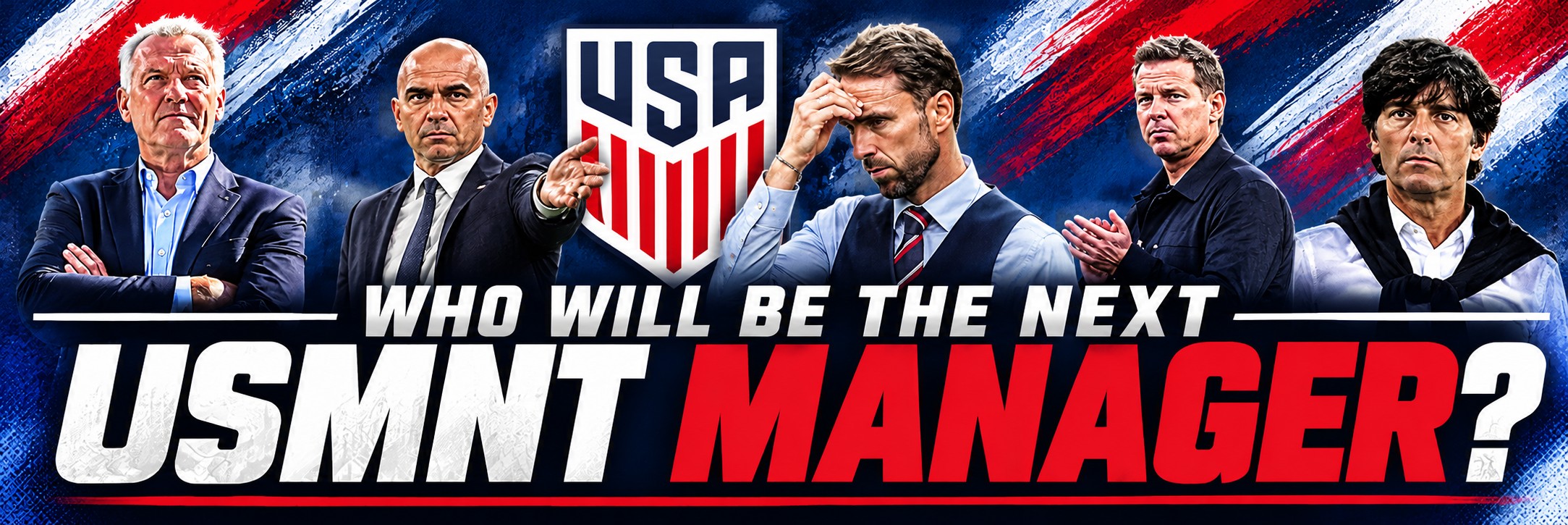
A New Era for the USMNT: Who Should Replace Mauricio Pochettino?
Thomas Deschaine (@uskeeper on X and us_keeper on Instagram)
What goes into hiring the next international manager? For some nations, the process takes days or weeks. For US Soccer, it has twice taken longer to hire a replacement than it did to eventually rehire the same manager.
With Mauricio Pochettino officially set to depart following the November window, US Soccer is reportedly already gauging the interest of several candidates for the 2030 cycle.
Pep Guardiola has been a popular choice among fans, but he has made it clear he wants a year away from coaching. Would US Soccer be willing to wait until the 2027 Gold Cup to bring him or another top-tier manager aboard? With Concacaf World Cup Qualifying beginning in the September/October 2027 window, ideally, the next manager would be in place well before then.
Another important consideration is the style of play. Pochettino’s free-flowing approach allowed the USMNT to play dynamically against lesser opponents, but questions remain about its effectiveness against the world’s top teams.
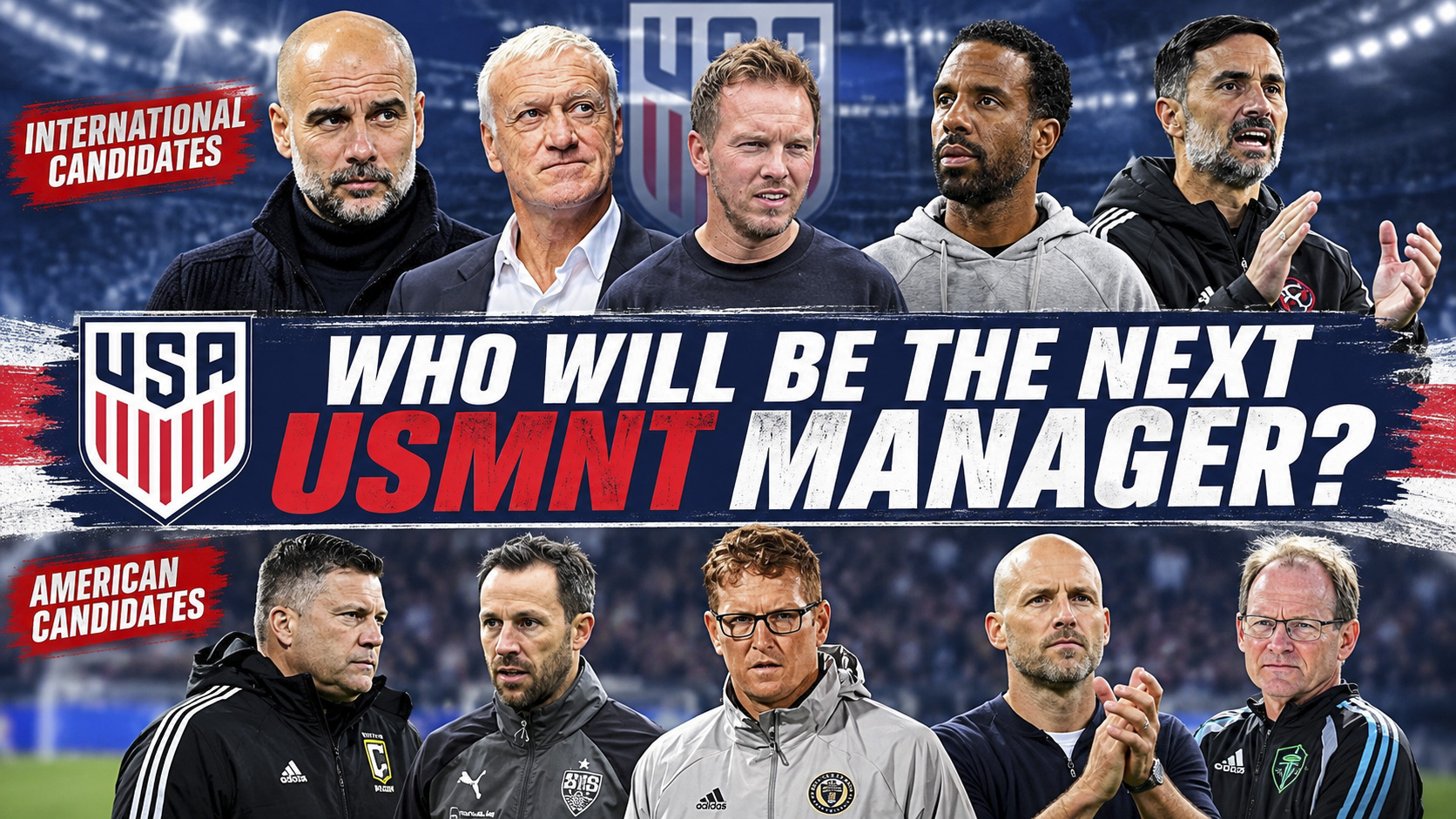
Let’s take a closer look at the high-profile, unattached managers US Soccer could, and should, be talking to about leading the USMNT into the 2030 cycle.
If you are interested in my American candidates, you can find that information here. https://chasingacup.com/will-the-next-usmnt-manager-be-american/
Julian Nagelsmann – 39 – German – Unattached
23 Wins, 7 Draws and 7 Losses
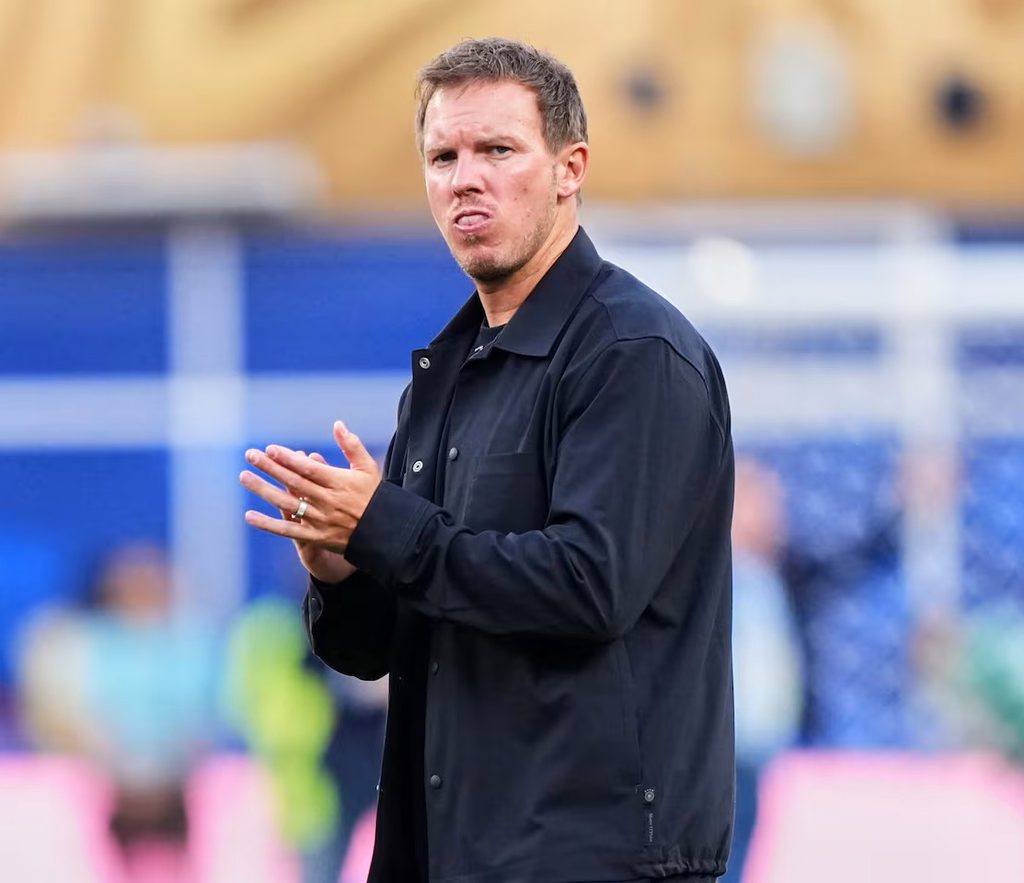
The former German center back and Germany manager (2023–2026) is another prominent candidate for US Soccer to explore. Nagelsmann has also managed TSG Hoffenheim and Bayern Munich, winning three trophies between the two clubs, along with several youth titles with TSG Hoffenheim’s U19 side. His experience at both the club and international levels makes him an interesting name in the USMNT coaching search.
Major international tournament results
Euro 2024: Quarterfinalist (lost to Spain).
2025 Nations League: Fourth place.
2026 World Cup: Eliminated by Paraguay in the Round of 32.
Roberto Martinez – 53 – Spanish – Unattached
86 Wins, 22 Draws and 17 Losses
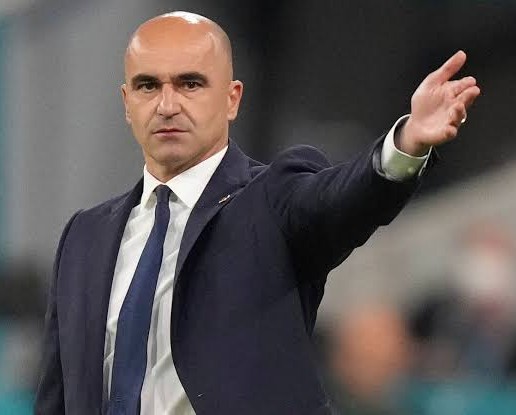
Martínez’s last two managerial positions have been with top international nations, Belgium (2016–2022) and Portugal (2023–2026). While he may not be a popular choice among USMNT fans, he clearly brings the international experience many believe is essential.
His résumé includes a Nations League title and a World Cup third-place finish, demonstrating his ability to manage elite talent and navigate major tournaments. The bigger question is whether he can translate that experience into trophies and elevate the USMNT to the next level.
Major international tournament results
Belgium (2016–2022)
2018 World Cup: Third place, defeating England 2–0.
Euro 2020: Quarterfinalist, eliminated by eventual champions Italy.
2022 World Cup: Eliminated in the group stage.
Portugal (2023–2026)
Euro 2024: Quarterfinalist, eliminated by France on penalties.
2025 Nations League: Champion – Defeated Spain in the final on penalties.
2026 World Cup: Round of 16, eliminated by Spain.
Gareth Southgate – 56 – English – Unattached
61 Wins, 24 Draws and 17 Losses
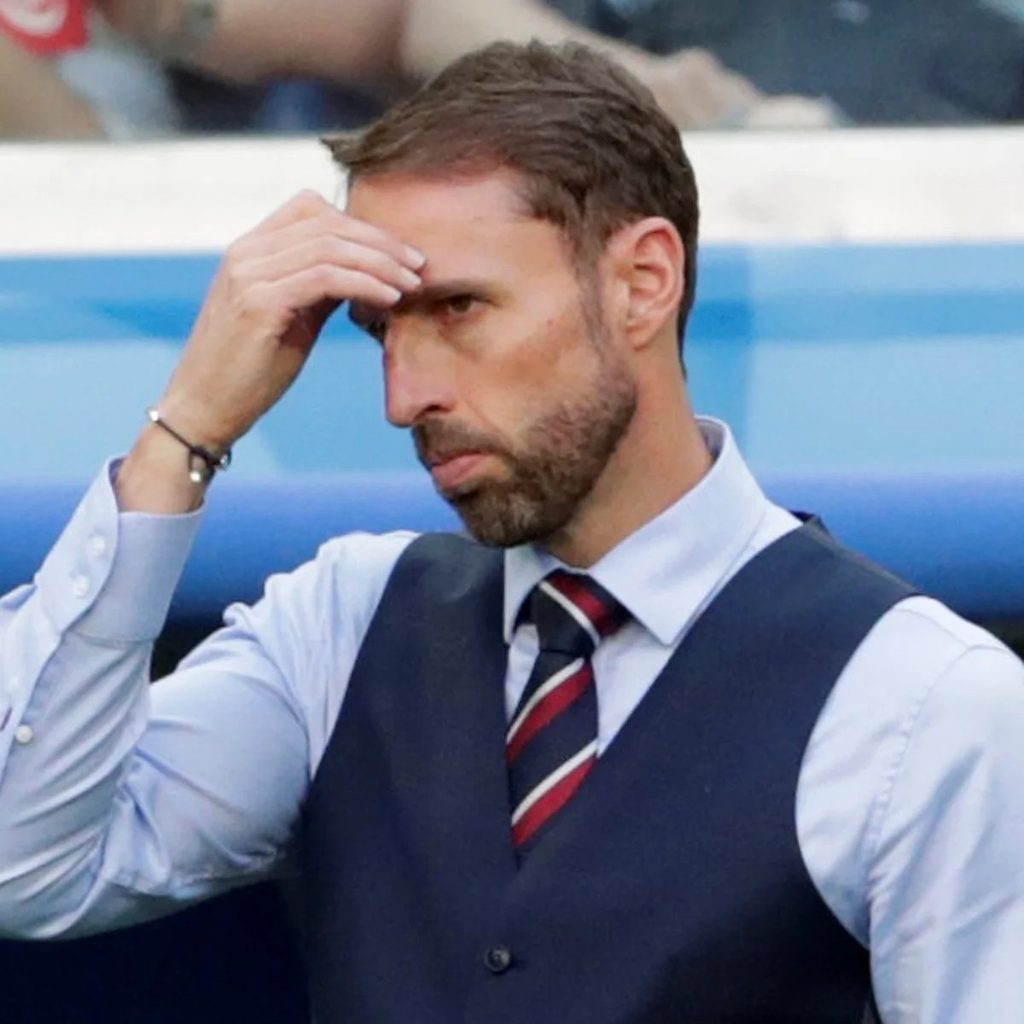
Southgate’s résumé is interesting because of his tournament consistency, but his record also raises questions about getting teams over the finish line. Southgate’s tactical approach can be conservative and reminiscent of Berhalter’s style, which may not be the best fit for this USMNT based on its recent success.
For the United States, his experience managing England’s talented generation would be relevant. However, his tactical approach, ability to maximize attacking talent and limited club experience are important considerations.
Major international tournament results
2018 World Cup: Fourth place. Lost to Croatia in the semifinals.
Euro 2020: Runners-up. Lost to Italy on penalties in the final.
2022 World Cup: Quarterfinalist. Lost 2–1 to France.
Euro 2024: Runners-up. Lost 2–1 to Spain in the final.
Didier Deschamps – 58 – French – Unattached
119 Wins, 35 Draws and 28 Losses
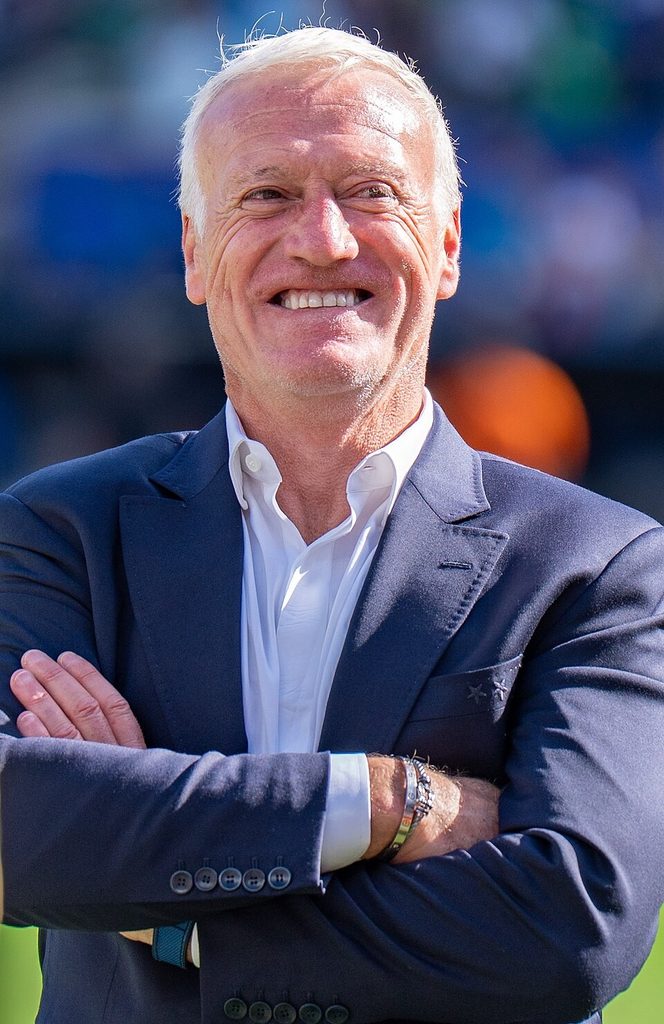
Deschamps offers something very few available managers can match: a World Cup championship as both a player and a manager. He understands what it takes to build a team capable of winning the biggest international tournament.
For the USMNT, his experience managing different generations of elite players and navigating knockout competitions would be particularly relevant.
Major international tournament results
2014 World Cup: Quarterfinalist. Lost to eventual champions Germany.
Euro 2016: Runners-up. Lost 1–0 to Portugal in extra time.
2018 World Cup: Champion – Defeated Croatia 4–2 in the final.
Euro 2020: Round of 16. Eliminated by Switzerland on penalties.
2022 World Cup: Runners-up. Lost to Argentina on penalties after a 3–3 final.
Euro 2024: Semifinalist. Lost 2–1 to eventual champions Spain.
2025 Nations League: Third place. Defeated Germany 2–0.
2026 World Cup: Fourth place. Lost to Spain in the semifinal and England in the third-place match.
Joachim Löw – 66 – German – Unattached
124 Wins, 40 Draws and 34 Losses
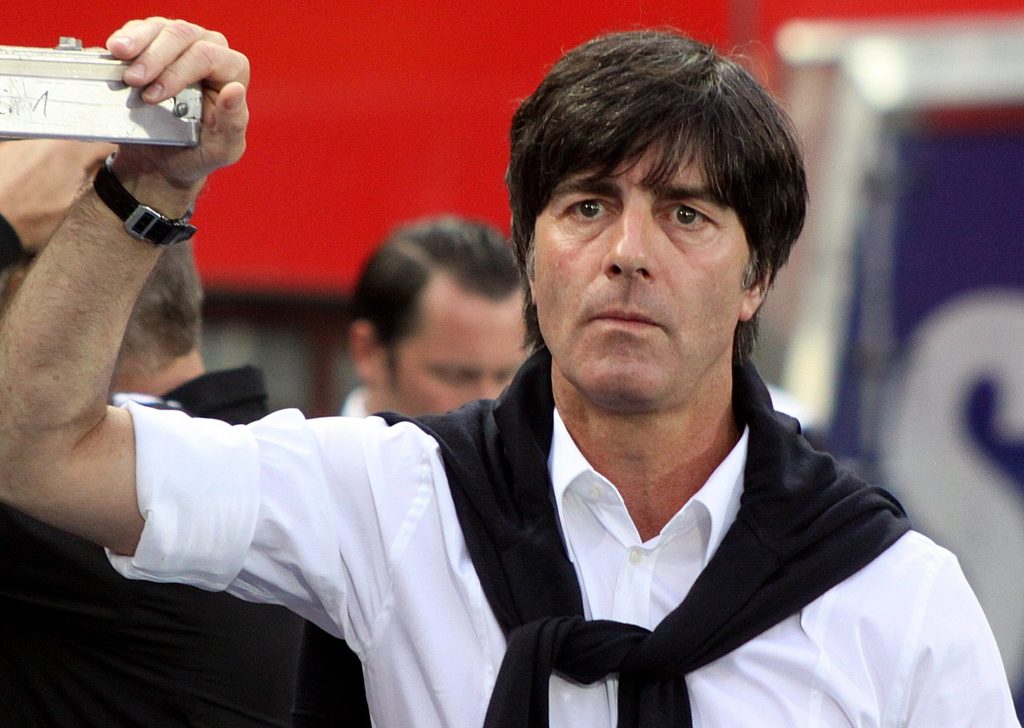
Löw has the credentials of a World Cup-winning manager, and his experience building Germany into a championship team is particularly relevant to what the United States wants to accomplish. There are questions that need to be asked of Löw.
Can he still adapt to the modern international game after being away from coaching for five years?
Would he have the same enthusiasm for building a program rather than taking over an established contender?
Major international tournament results
Euro 2008: Runners-up. Lost 1–0 to Spain in the final.
2010 World Cup: Third place. Defeated Uruguay 3–2.
Euro 2012: Semifinalist. Lost to Italy 2–1.
2014 World Cup: Champion Defeated Argentina 1–0 in extra time.
Euro 2016: Semifinalist. Lost to France 2–0.
2017 Confederations Cup: Champion Defeated Chile 1–0.
2018 World Cup: Group-stage elimination. Germany finished last in its group.
Euro 2020: Round of 16. Lost 2–0 to England in his final match as Germany manager.
Other Unattached Managers Worth Considering
The managers listed above all have recent international coaching experience and profile as strong candidates. However, there are several other currently unattached managers worth considering as potential options for the USMNT.
Diego Alonso – 51 – Argentine
Sebastián Beccacece – 45 – Argentine
Sérgio Conceição – 51 – Portuguese
Erik ten Hag – 56 – Dutch
Eddie Howe – 49 – English
Wilfred Nancy – 49 – French
USMNT
Will the Next USMNT Manager Be American?
Thomas Deschaine (@uskeeper on X and us_keeper on Instagram)
I said after Mauricio Pochettino’s extension that I didn’t expect him to make it through the 2030 cycle as #USMNT manager, whether due to results or another club offering him a deal he couldn’t refuse. However, I never expected things to reach this point so close to the start of the cycle.
In some ways, the timing might not be the worst, provided US Soccer can quickly interview and hire a replacement well before the March FIFA window. That said, I was really starting to buy into Pochettino’s vision and his commitment to building the #USMNT around youth.
Hopefully, US Soccer recognizes the value of having a high-profile manager and pursues another big name like Pep Guardiola, Didier Deschamps or Julian Nagelsmann. My gut, however, tells me they’ll pivot back toward an American coach or an experienced MLS manager like Wilfried Nancy.
Another intriguing option is Marko Mitrović, former U19, U20 and U23 USMNT manager and current New England Revolution coach. He already has experience working with many of the young players in the current player pool.
Here’s a look at some of the most likely American candidates to become the next USMNT manager.
Michael Bradley (39)
I truly believe Michael Bradley will someday manage the USMNT. His soccer intelligence, leadership qualities, and playing experience across Europe and MLS give him both an international perspective and a deep understanding of American soccer culture. However, Bradley likely projects more as a candidate for the 2034 cycle at the earliest and he still needs time to develop at the club level.
B. J. Callaghan (45)
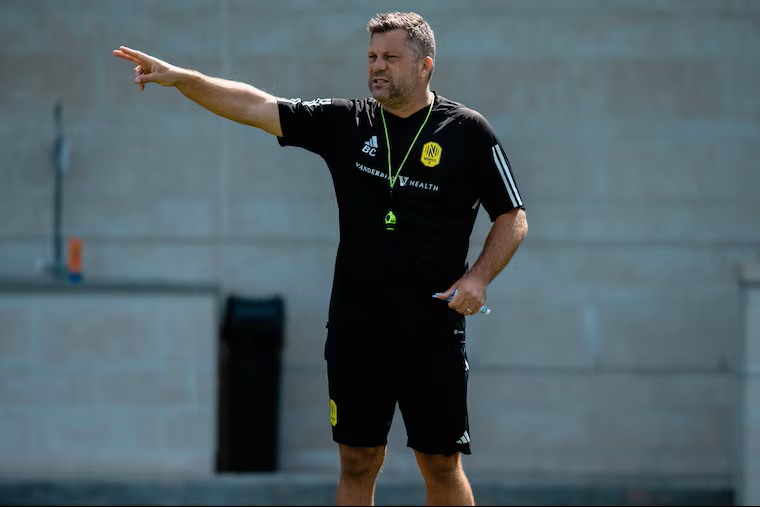
It would be difficult not to include B.J. Callaghan after the positive impression he made as interim USMNT manager. Coming off an MLS-best record and Supporters’ Shield title, Callaghan continues to demonstrate his ability to prepare and get the most out of his teams despite a relatively limited managerial résumé. He earned the trust of the players and fans by delivered strong performances during his time with the national team. If the position opens again, U.S. Soccer would almost certainly explore his interest.
Steve Cherundolo (47)
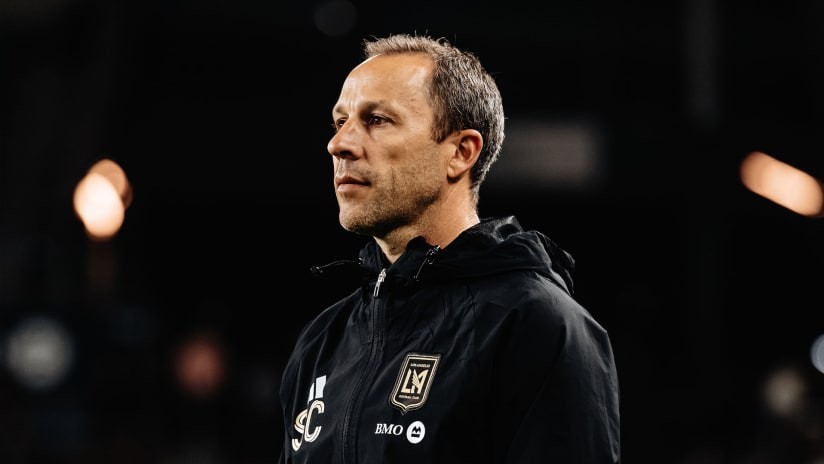
Steve Cherundolo may be one cycle away from becoming a serious candidate, especially after recently leaving MLS to return to Germany. Still, his experience as both a player and manager at high levels of the game makes him someone U.S. Soccer should strongly consider.
Jim Curtin (47)
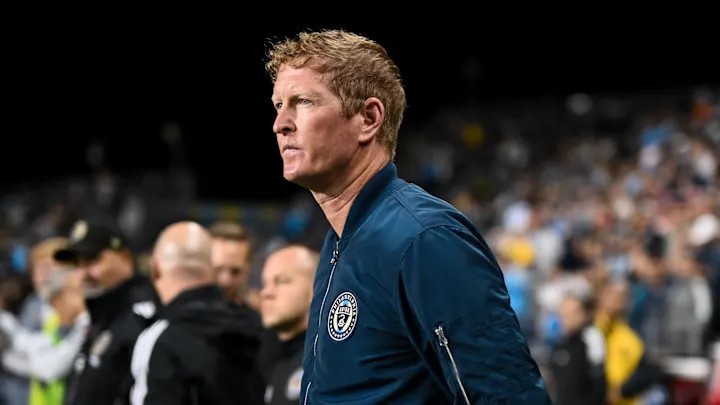
If Pochettino can be convinced to leave the #USMNT, perhaps newly appointed Austin FC manager Jim Curtin could also be persuaded to make the move if U.S. Soccer views him as the right fit. His success with the Philadelphia Union, highlighted by winning the 2020 Supporters’ Shield, showcased his ability to build a strong team culture and maximize the talent at his disposal.
Pellegrino Matarazzo (48)
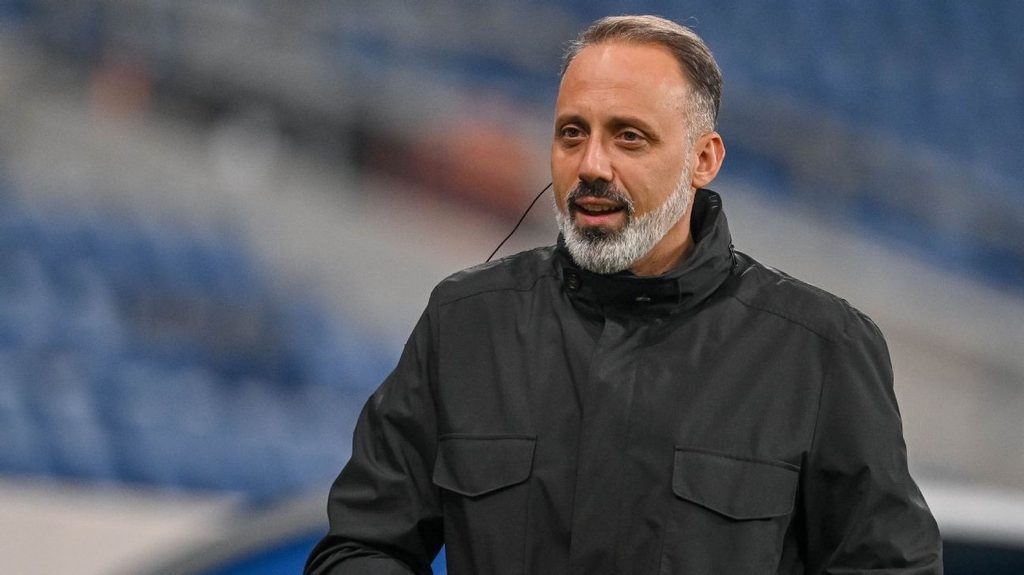
I’m not convinced U.S. Soccer would seriously pursue Pellegrino Matarazzo, but hopefully I’m wrong. His success coaching in Europe has made him one of the most respected American-born managers in the game and a popular choice among many fans for the future of the USMNT.
Brian Schmetzer (63)
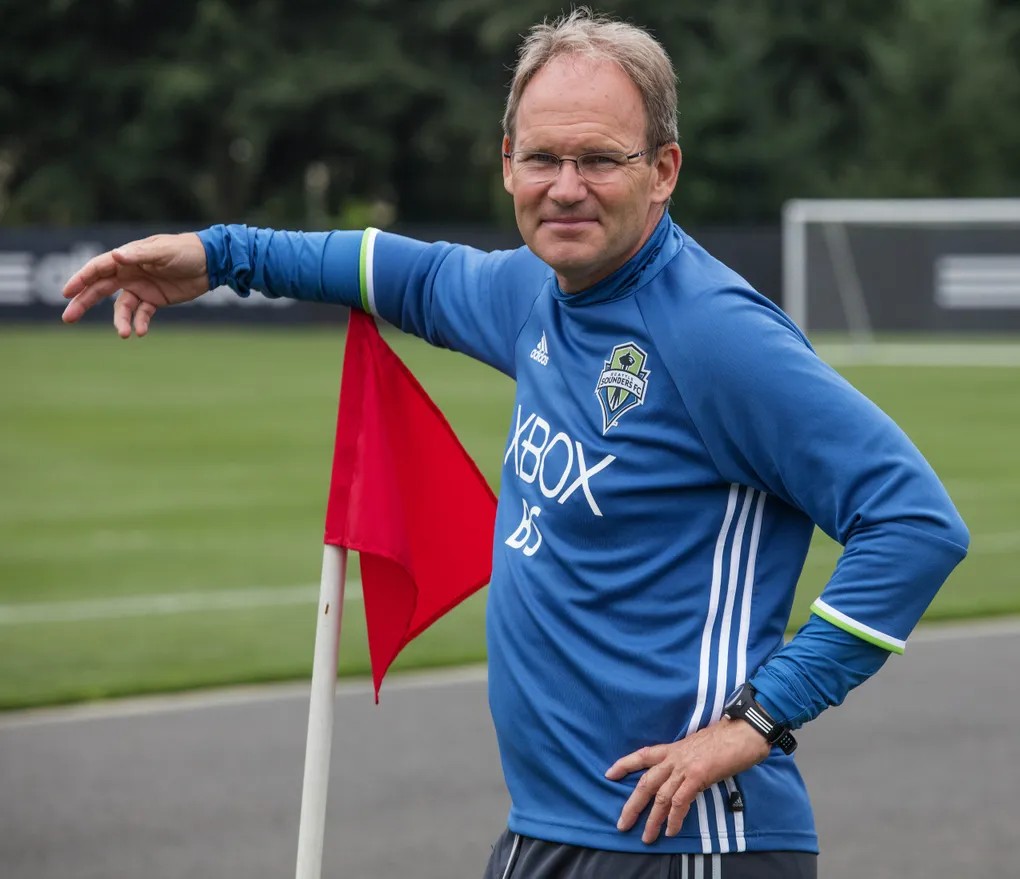
With eight trophies to his name, Brian Schmetzer may be one of the strongest and most accomplished domestic candidates available. His biggest achievement came when he led Seattle Sounders FC to the 2022 CONCACAF Champions League title, becoming the first MLS club to win the tournament under its modern format.
Peter Vermes (59)
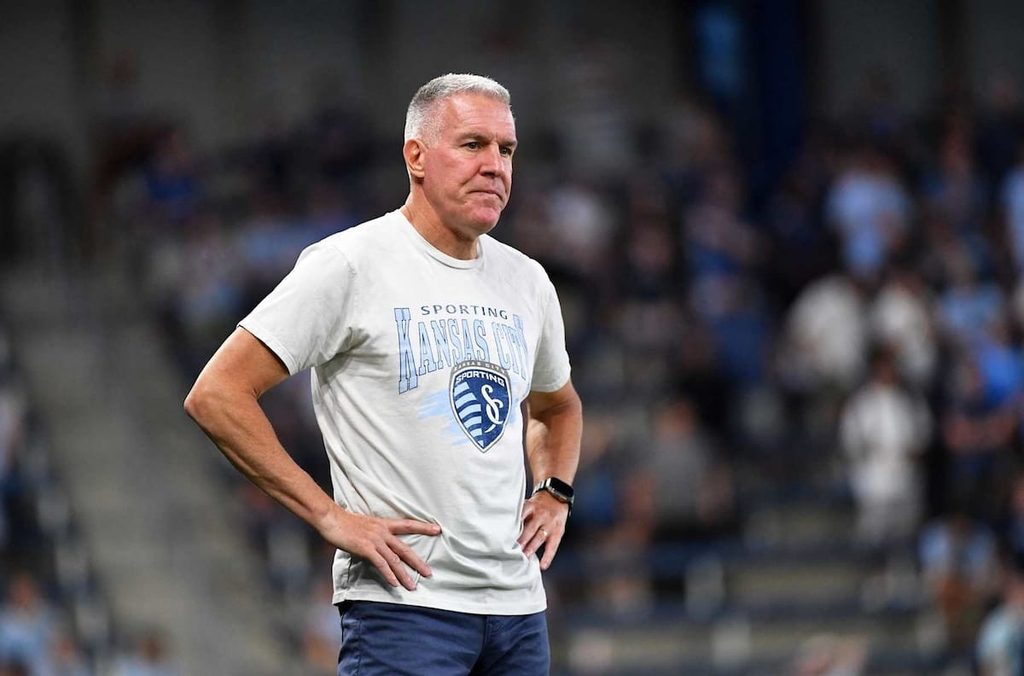
Former USMNT striker Peter Vermes deserves consideration given his success at Sporting KC, where he won four trophies as a manager. Vermes previously turned down interest from U.S. Soccer, but with him no longer actively coaching at club level, the timing could finally align for a move into the international game.
The Importance of Having a Succession Plan
The next USMNT manager could inherit a player pool filled with established veterans and exciting young talent, but U.S. Soccer’s vision and priorities have shifted frequently between cycles. If Pochettino is indeed leaving, that could send the federation in a different direction with its next hire.
My hope is that the long-term vision remains consistent with the approach heading into the 2022 World Cup. Given that Pochettino’s contract reportedly included a $10 million buyout clause, you would hope U.S. Soccer had contingency plans and potential replacements in mind. In recent cycles, the federation has appeared less prepared with backup options than it was in the past. How quickly U.S. Soccer moves will be important, but the search cannot drag on indefinitely. A process lasting a few months is reasonable, provided the federation identifies the right candidate well ahead of the next major FIFA window.
USMNT
The Next USMNT Star That Never Was: Revisiting America’s Biggest Teenage Prospects


A New Era for the USMNT: Who Should Replace Mauricio Pochettino?

Will the Next USMNT Manager Be American?

The Next USMNT Star That Never Was: Revisiting America’s Biggest Teenage Prospects

-
 Club News6 years ago
CJ dos Santos, Benfica
-
 USMNT2 years ago
Gregg Berhalter’s Legacy
-
 Club News6 years ago
Give: Support Chasing a Cup by Supporting our Cause
-
 USMNT2 years ago
Medals on their Minds
-
 Club News7 years ago
Julian Vincente Araujo
-

 Club News2 years ago
American Transfers: Stock Up & Stock Down
-
 USMNT3 years ago
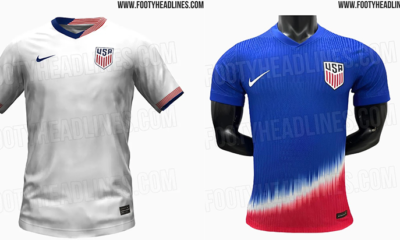
USMNT Kits Come in Different Styles and Colors
-
USMNT4 years ago
World Cup Format History