Connect with us

USMNT

Pendulum has Swung

Published

on

In the summer of 2010, I found myself completely enamored by the USMNT and their world cup run. I had never followed soccer before but there was something about that summer and those days that turned me into a die-hard fan. One of the first things I learned early on was that Mexico was not only our biggest rival, but at that time, they had the edge on us. In 2011, we went up early in the Gold Cup final 2-0 and it was like a dream. As we all know, Mexico ended up winning that game 4-2, and embarrassed a number of American players in the process during the last goal. I remember sitting in a restaurant in disbelief. That loss hurt. 

As time went on, Mexico continued to maintain dominance over us. There were some bright spots: In 2012, the USMNT had their first victory in the Azteca, a match featuring the now notorious Brek Shea. In 2013 we had a 2-0 victory vs Mexico in world cup qualifying, but that would be our last victory against them in a competitive match for eight years. In 2015, Mexico won the first-ever Concacaf Cup, for a spot in the now-defunct Confederations Cup. That match was another heartbreaker, ending 3-2. To make matters worse, a year later during the 2018 world cup qualifying campaign, Mexico beat the USMNT at home in Columbus, Ohio. The final score in that match was 2-1 but it was a much bigger margin in terms of what the victory signified. Columbus had been a fortress for the United States. It was the place where we KNEW we were going to get a win, especially in world cup qualifying. But, that night, Mexico exercised their demons in that building. And that’s what I wanted to write about, exercising demons. 

That loss hurt because it was at home, and back then, that was the only time we as fans thought we had a chance to beat Mexico. In 2013, Tim Howard was injured and Brad Guzan was going to start in goal at the Azteca. The US had just lost on the road to Honduras in the opening match of 2014 world cup qualifying and the pessimistic vibes around the Mexico game were palpable. I remember watching that game on edge, completely anxious that at any moment Mexico was going to burst up the field and score. And then do it again. And again. Then something else happened. The US went in there and didn’t let up a goal. We also did not score a goal, but the draw was looked at in an overwhelmingly positive light. Words like ‘historic’ were used to describe the US performance that night. That match changed the tone for that qualifying cycle and we ended up winning the Hex. That’s how much of an impact it had.

In 2017, we went into the Azteca desperate for anything. The team had already lost to Mexico once during qualifying and knew that a win would be near impossible. To Bruce Arena’s credit, a 3-4-3 and a Bradley wonder goal got us another valuable point. The campaign would end up as a failure. But again, the perception of playing at that stadium was overwhelmingly negative. We would be lucky to get a point, most likely faced a loss and a victory was out of the question. Those were the commonly accepted mindsets when it came to playing at the Azteca. Then, in the most exciting game I’ve ever watched, the pendulum for power in the CONCACAF region started to swing back in the United States favor. In June of 2021, with an unsavable Pulisic penalty and a penalty save from injury replacement Ethan Horvath, the USMNT beat Mexico in a competitive match for the first time since 2013 to win the inaugural Concacaf Nations League. Late that summer, a different US team would go on to beat Mexico again in the Gold Cup Final. The pendulum was really gaining speed.

Finally, to end 2021, the USMNT beat Mexico 2-0 in the home leg of world cup qualifying. That victory was a bit more expected. Then, something happened on March 24th that symbolized the pendulum finishing its swing, completely to the US. The USMNT went into the Azteca and took the game to Mexico. They played unafraid, were able to maintain possession at times and although they didn’t finish the chances they created, I watched the team go for a victory in that building, from whistle to whistle. When that game ended, I realized that as I watched, the typical nerves that come from a US-Mexico game changed. The old thought of  “Here we go, Mexico is going to score and then we’re going to have to respond but probably won’t be able to” was replaced by watching this team create better chances and play with composure.

From the moment the lineup was released, which was a surprise in its own right, to when the final whistle blew, it seemed that there was something different now. It was no longer going to be a scary experience to go down and play vs Mexico. We did not get the victory but this time after a draw, a result that has historically been looked at as a big success, was a big letdown because we outplayed Mexico in their house. The USMNT had never done that before. Tyler Adams mentioned early in the week that there was no fear and the players went out there and proved that to be true. The pendulum has swung in Concacaf and it appears that the United States will never be afraid to play Mexico away ever again. Canada may be the team in first place in the octagonal, but this United States team is finding its identity and potential. Watching the team play the way they did, exercising their demons in real-time, was fantastic. The best is yet to come.  


Continue Reading

USMNT

Will the Next USMNT Manager Be American?
Published

on

Thomas Deschaine (@uskeeper on X and us_keeper on Instagram)

I said after Mauricio Pochettino’s extension that I didn’t expect him to make it through the 2030 cycle as #USMNT manager, whether due to results or another club offering him a deal he couldn’t refuse. However, I never expected things to reach this point so close to the start of the cycle.

In some ways, the timing might not be the worst, provided US Soccer can quickly interview and hire a replacement well before the March FIFA window. That said, I was really starting to buy into Pochettino’s vision and his commitment to building the #USMNT around youth.

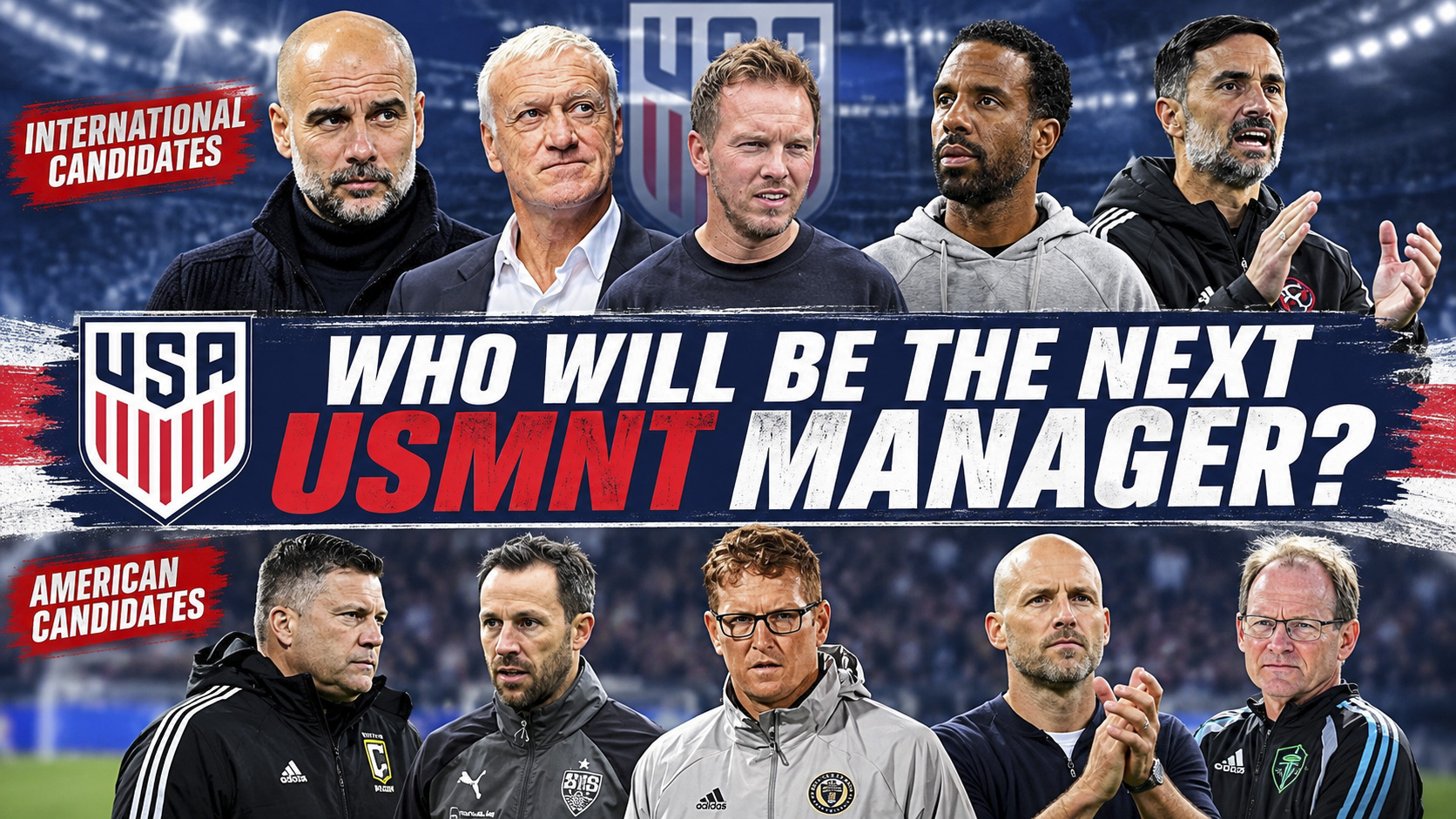
Hopefully, US Soccer recognizes the value of having a high-profile manager and pursues another big name like Pep Guardiola, Didier Deschamps or Julian Nagelsmann. My gut, however, tells me they’ll pivot back toward an American coach or an experienced MLS manager like Wilfried Nancy.

Another intriguing option is Marko Mitrović, former U19, U20 and U23 USMNT manager and current New England Revolution coach. He already has experience working with many of the young players in the current player pool.

Here’s a look at some of the most likely American candidates to become the next USMNT manager.

Michael Bradley (39)
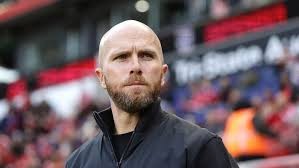
I truly believe Michael Bradley will someday manage the USMNT. His soccer intelligence, leadership qualities, and playing experience across Europe and MLS give him both an international perspective and a deep understanding of American soccer culture. However, Bradley likely projects more as a candidate for the 2034 cycle at the earliest and he still needs time to develop at the club level.

B. J. Callaghan (45)
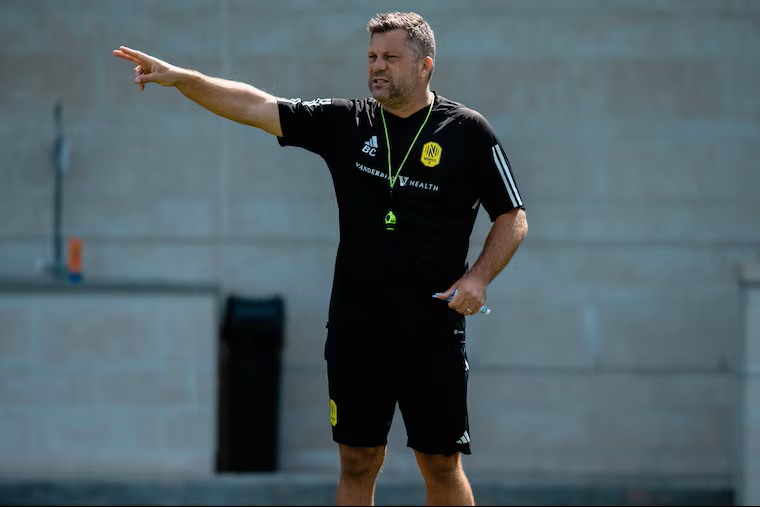
It would be difficult not to include B.J. Callaghan after the positive impression he made as interim USMNT manager. Coming off an MLS-best record and Supporters’ Shield title, Callaghan continues to demonstrate his ability to prepare and get the most out of his teams despite a relatively limited managerial résumé. He earned the trust of the players and fans by delivered strong performances during his time with the national team. If the position opens again, U.S. Soccer would almost certainly explore his interest.

Steve Cherundolo (47)
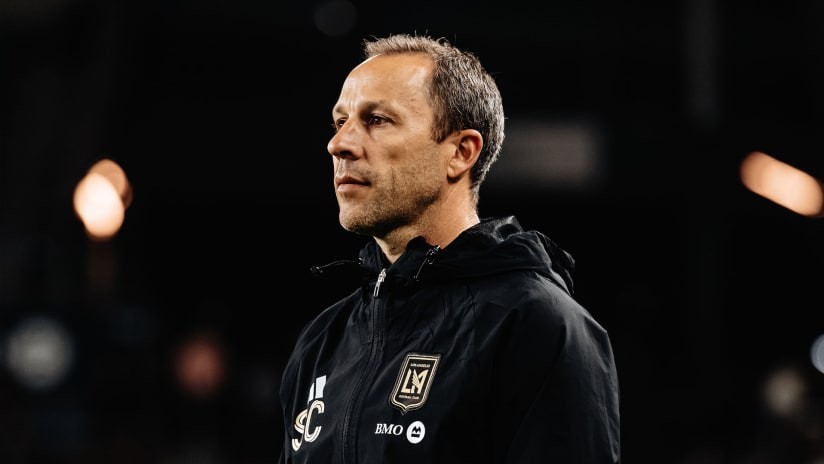
Steve Cherundolo may be one cycle away from becoming a serious candidate, especially after recently leaving MLS to return to Germany. Still, his experience as both a player and manager at high levels of the game makes him someone U.S. Soccer should strongly consider.

Jim Curtin (47)
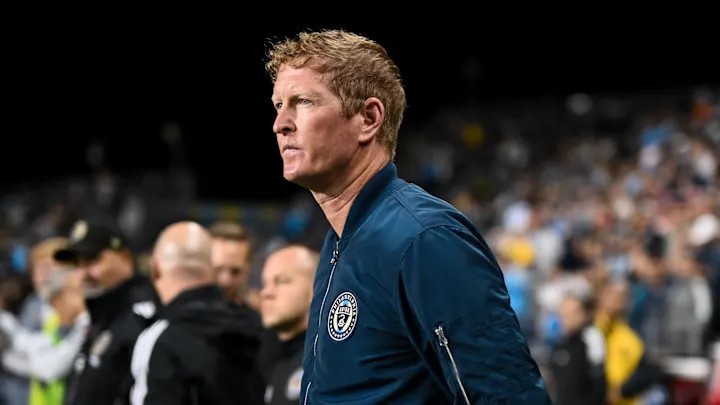
If Pochettino can be convinced to leave the #USMNT, perhaps newly appointed Austin FC manager Jim Curtin could also be persuaded to make the move if U.S. Soccer views him as the right fit. His success with the Philadelphia Union, highlighted by winning the 2020 Supporters’ Shield, showcased his ability to build a strong team culture and maximize the talent at his disposal.

Pellegrino Matarazzo (48)
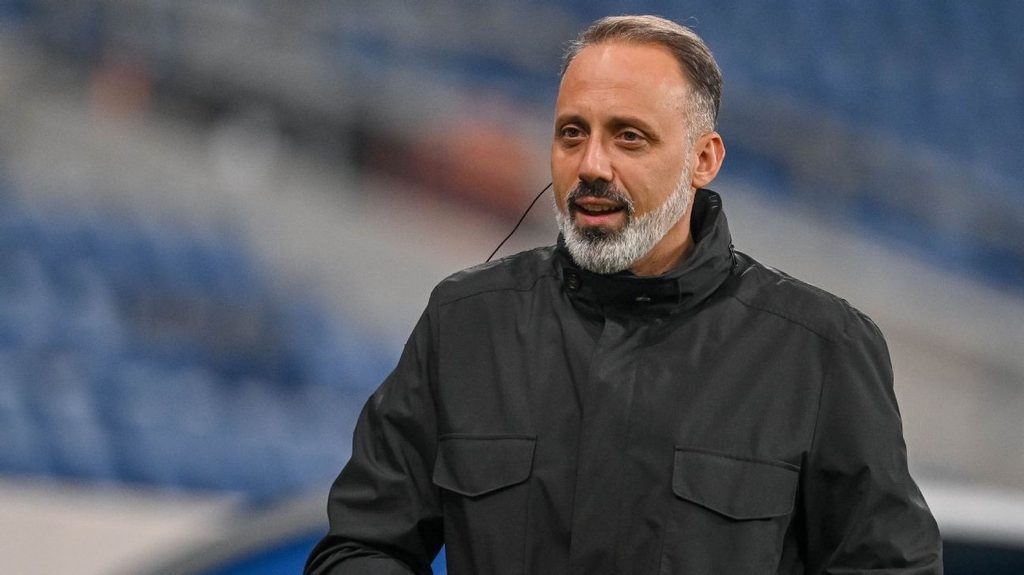
I’m not convinced U.S. Soccer would seriously pursue Pellegrino Matarazzo, but hopefully I’m wrong. His success coaching in Europe has made him one of the most respected American-born managers in the game and a popular choice among many fans for the future of the USMNT.

Brian Schmetzer (63)
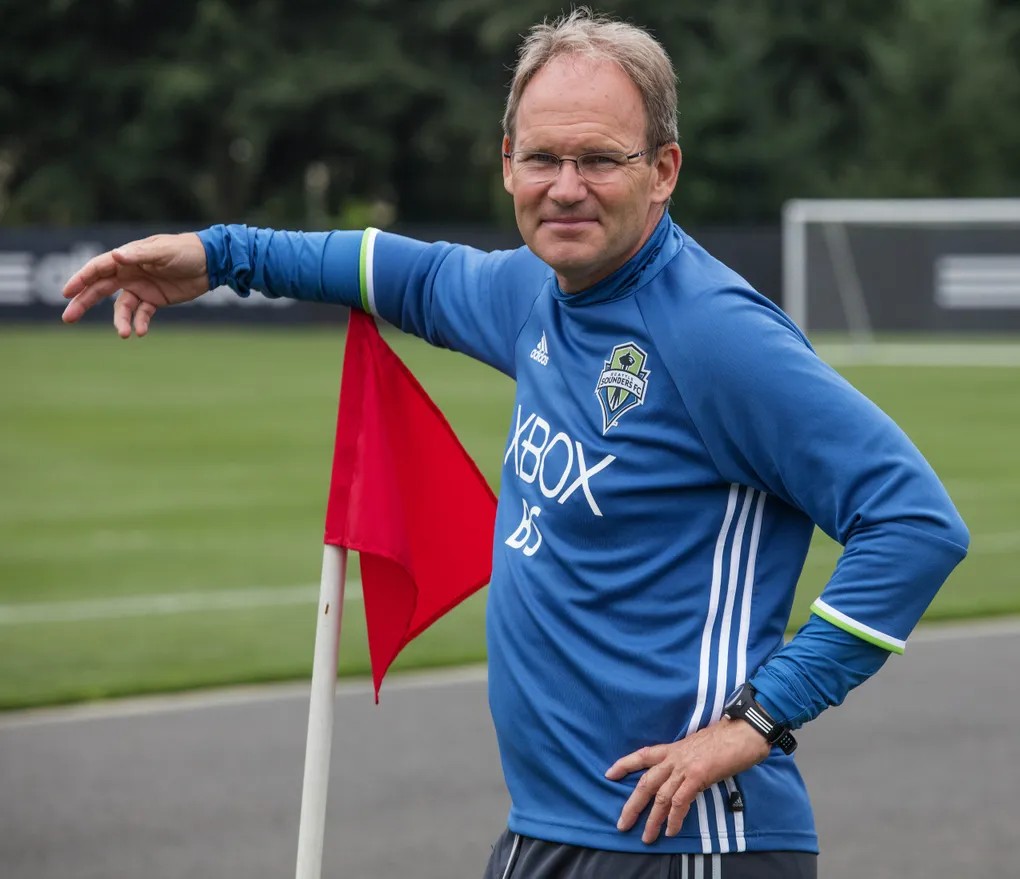
With eight trophies to his name, Brian Schmetzer may be one of the strongest and most accomplished domestic candidates available. His biggest achievement came when he led Seattle Sounders FC to the 2022 CONCACAF Champions League title, becoming the first MLS club to win the tournament under its modern format.

Peter Vermes (59)
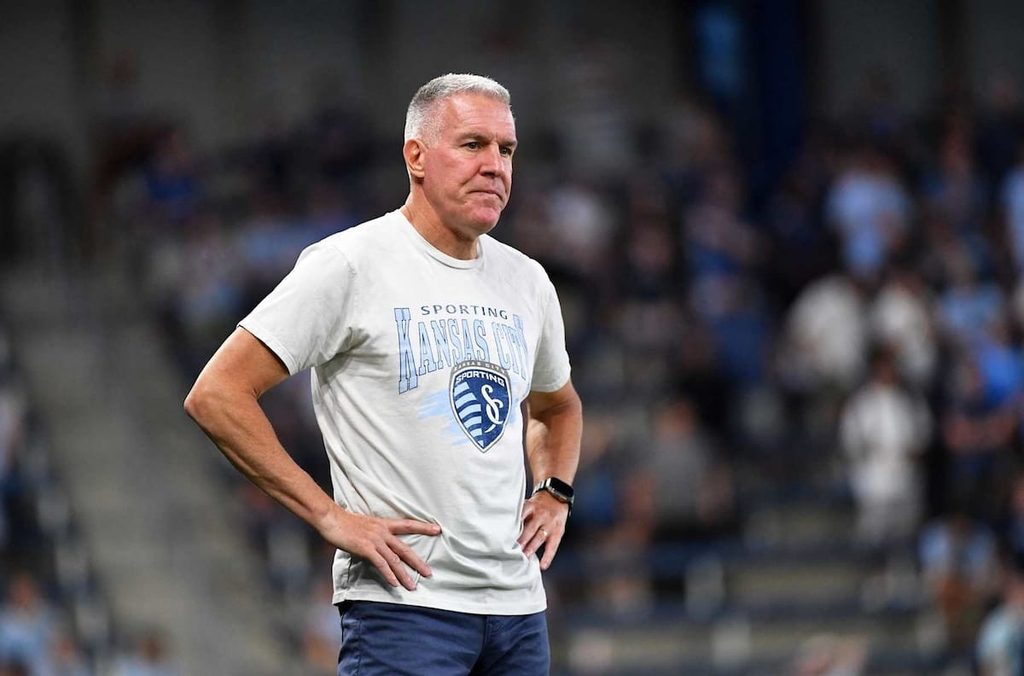
Former USMNT striker Peter Vermes deserves consideration given his success at Sporting KC, where he won four trophies as a manager. Vermes previously turned down interest from U.S. Soccer, but with him no longer actively coaching at club level, the timing could finally align for a move into the international game.

The Importance of Having a Succession Plan

The next USMNT manager could inherit a player pool filled with established veterans and exciting young talent, but U.S. Soccer’s vision and priorities have shifted frequently between cycles. If Pochettino is indeed leaving, that could send the federation in a different direction with its next hire. 

My hope is that the long-term vision remains consistent with the approach heading into the 2022 World Cup. Given that Pochettino’s contract reportedly included a $10 million buyout clause, you would hope U.S. Soccer had contingency plans and potential replacements in mind. In recent cycles, the federation has appeared less prepared with backup options than it was in the past. How quickly U.S. Soccer moves will be important, but the search cannot drag on indefinitely. A process lasting a few months is reasonable, provided the federation identifies the right candidate well ahead of the next major FIFA window.

Continue Reading

USMNT

The Next USMNT Star That Never Was: Revisiting America’s Biggest Teenage Prospects

Published

on

Thomas Deschaine (@uskeeper on X and us_keeper on Instagram)

With the next wave of highly rated teenagers likely to be brought into the #USMNT during the 2030 World Cup cycle, I decided to look back at some of the young players who were once hyped as the next stars of the U.S. Men’s National Team but never established themselves as regular internationals.

Freddy Adu would seem to be at the top of this list. While he never became a regular for the #USMNT or the world-class face of U.S. Soccer many expected, he still earned 17 caps, scoring 2 goals and adding 3 assists. In many ways, he accomplished more at the international level than most of the players who are listed below combined.

Which former USMNT prospects did I miss, players who are no longer playing or are past their prime, who deserve to be on this list?

Cody Cropper – GK – 0 caps

U.S. youth international and longtime goalkeeper prospect who reached the Southampton and MLS systems but never earned a senior cap.

Junior Flores – AM – 0 caps

Creative midfielder who joined Borussia Dortmund’s system as a teenager and was viewed as a major U.S. prospect, but never reached the senior USMNT.

Eddie Gaven – MF/W – 8 caps

Teenage MLS phenom who became a league standout, but despite eight USMNT appearances, his international career never developed further.

Luis Gil – AM – 2 caps

One of the most hyped American midfield prospects of his generation; debuted for RSL at 16 but never translated that promise into a sustained USMNT career.

Emerson Hyndman – MF – 2 caps

Highly rated central midfielder who broke through at Fulham and earned two USMNT appearances, but never established himself internationally.

Perry Kitchen – DM/CB – 5 caps

U.S. youth captain and defensive midfielder who became a regular MLS starter, but his senior international career stalled after five caps.

Will Packwood – CB/DM – 0 caps

Birmingham City prospect who became the youngest American to play in the English Championship, but injuries severely disrupted his development.

Marc Pelosi – LB/CB – 0 caps

Highly regarded defender who moved to Liverpool as a teenager, but injuries and limited senior opportunities derailed his path to the USMNT.

Gedion Zelalem – MF – 0 caps

Arsenal wonderkid and one of the most highly regarded U.S. prospects of his generation. Injuries and inconsistent senior opportunities slowed his development, and he never made a senior USMNT appearance. 

The number of young USMNT players in this September/October window is something we haven’t seen in quite some time. Some will catch the eye of newly extended USMNT manager Mauricio Pochettino, while others may not, but all of them have an opportunity during this cycle to make their case for World Cup qualifying and, ultimately, a spot on the 2026 World Cup roster.

It all starts now, and it should be fun to follow their development over the next four years.

Continue Reading

USMNT

Building the Next Generation: Who Should Be on Pochettino’s USMNT Radar?
Published

on

Thomas Deschaine (@uskeeper on X and us_keeper on Instagram)

Header_NextGen

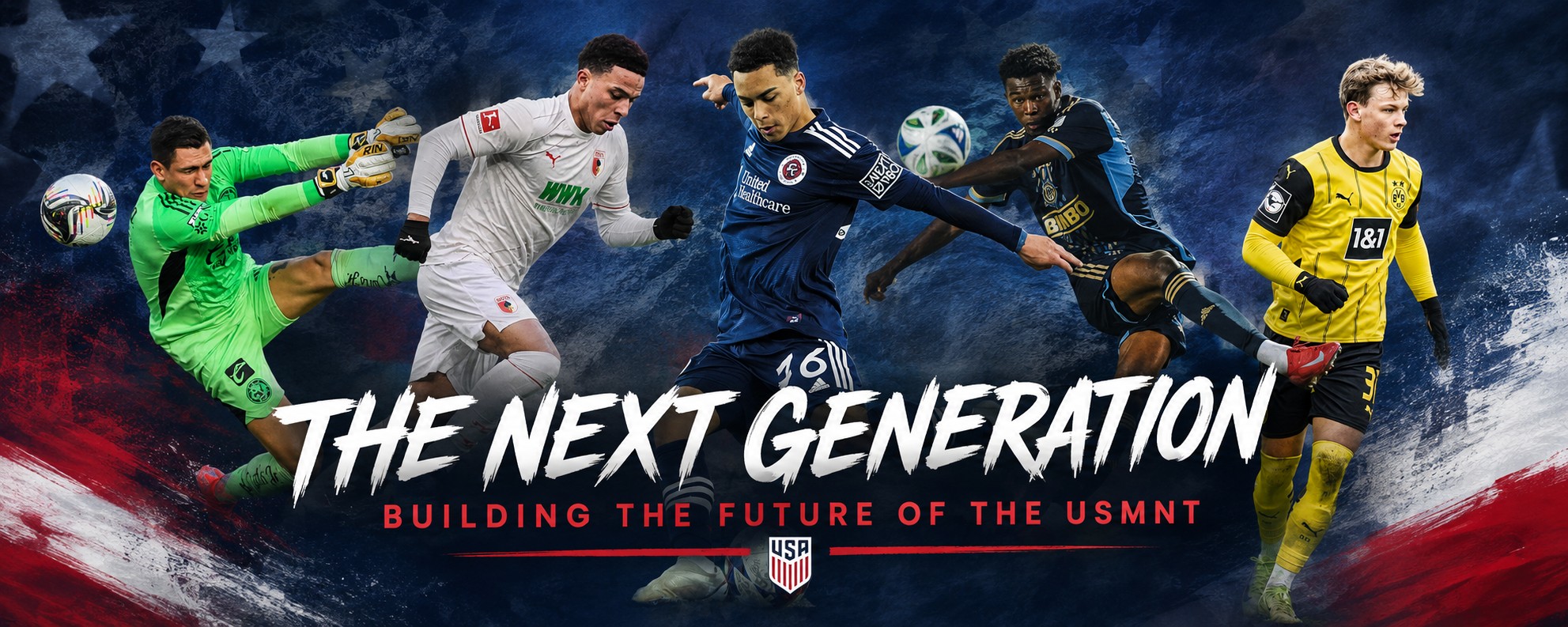
With the USMNT manager in place and the new cycle underway it’s time for recently extended Mauricio Pochettino to get some new young players on his radar and what better time to do this than the September/October double FIFA window.

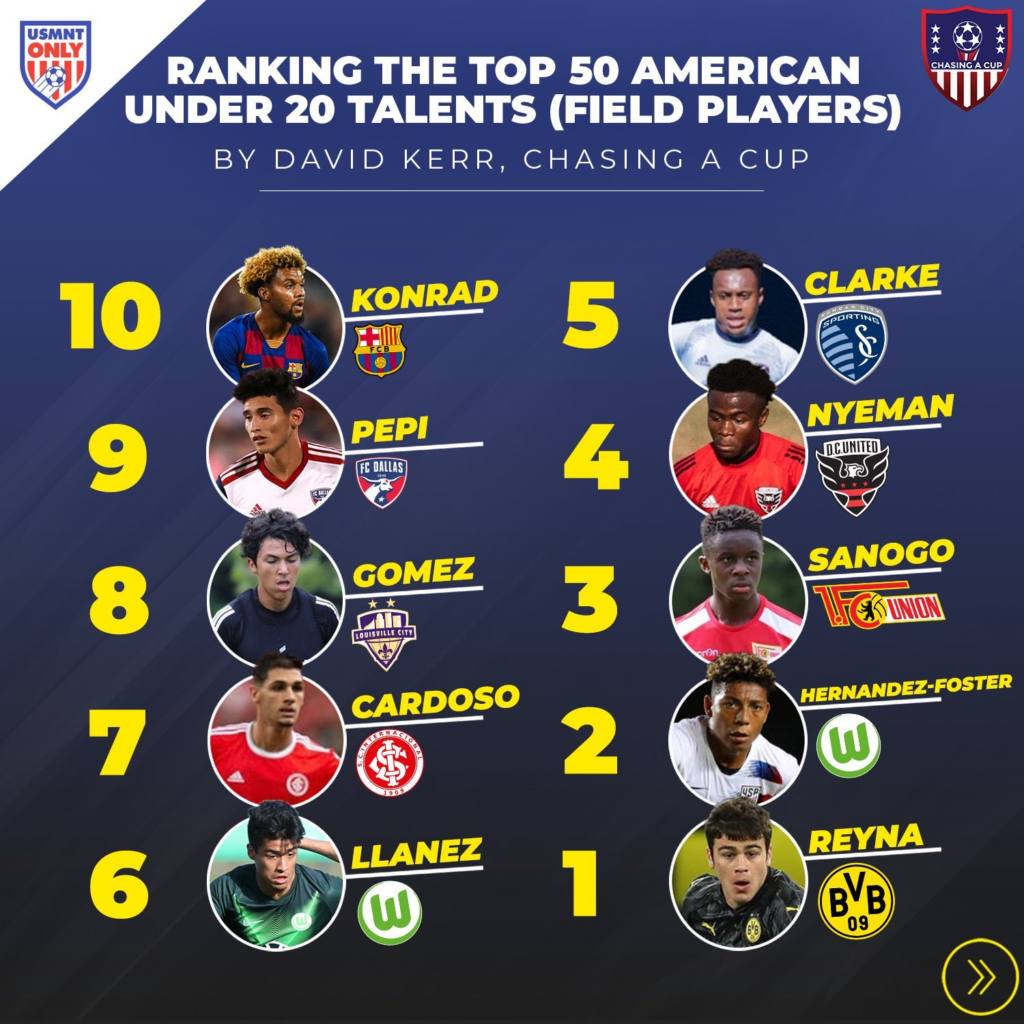
There are several U-23 players like Josh Wynder, Jalen Neal, Rokas Pukstas, Diego Kochen, Jonathan Gomez, Caleb Wiley, Cole Campbell, Chris Brady, Gaga, Slonina, Niko Tsakiris, Damion Downs, and Benjamin Cremaschi who have no caps order less than a handful with the USMNT. 

Will USMNT snubs or overlooked players opportunities be during the 2030 cycle look like? Players like Diego Luna, Tanner Tessmann, Aidan Morris and Camron Carter-Vickers to name a few, we have to wonder how or if they will be part of this cycle of players. I would suggest some will likely get the opportunity in the early part of the cycle but will need to be performing n with their club to remain getting called back into camps.

Integrating a few of these youth USMNT players during each window for the first half of the cycle will allow Pochettino to evaluate them up close and see if there might be a role for them during this next cycle.

It’s extremely important that the USMNT have a few on their current U-20 teenagers’ breakthrough and become a reliable part of the USMNT in the second half of the cycle. 

The below players will have an opportunity to play in next years U-20 World Cup being hosted by Azerbaijan and Uzbekistan as well as hopefully if their clubs release them being part of the 2028 Olympics USA Football squad to hopefully medal for the first time since 1904 when the US had two teams win Silver and Bronze. I think it’s also important to look at these players alongside some of the core USMNT in the upcoming window to see how they can integrate with one another.

Mathis Albert-17-Winger

Noahkai Banks-19-Centerback

Cole Campbell-20-Midfielder/Winger

Zavier Gozo-19-Winger

Julian Hall-18-Winger

Malik Jakupovic-17-Striker

Adri Mehmeti-17-Central Midfielder

Peyton Miller-18-Left Midfielder/Winger

Neil Pierre-18-Centerback

Cavan Sullivan-16-Attacking Midfielder

Whether we see all of these players, or just a handful, through the first half of the cycle, hopefully leading into another Copa América appearance, it’s clear that the time has come for Pochettino to begin integrating the next generation of USMNT players into the senior pool. How quickly that transition happens will be one of the most interesting storylines to follow.

Continue Reading

Trending