
USMNT
Bobby Wood

Bobby Wood, Hamburg (GBL) | F
Age: 24 (born Nov. 15, 1992)
Height: 5’10
Club: Hamburger SV (Hamburg)
League: German Bundesliga
Club Number: 7
National Number: 7
Position: F
Born: Honolulu, Hawaii, US
Nationality: Japanese-American
US History: U20, U23, 2014 WC, Debut 2013, 1st goal 2015 vs Netherlands (Friendly)
I rate Bobby Wood as the top US forward on our current squad. This is consistent with ASN’s 100 where he sits at Number 1 for forwards (5th overall) and Four Four Two’s ranking has him listed as their number 2 forward behind Jozy Altidore (8th overall). Bobby wasn’t really on the world radar when he was coming up though he did catch interest in 2007, he was barely on the US’s radar until he exploded onto it in 2015.
He grew up in Honolulu before chasing his soccer across the ocean to Southern California and superclub Irvine Strikers in 2004 before hopping another ocean to Germany in 2007 to join the 1860 Munich academy. He made his debut and then his first start in 2 Bundesliga in 2011.
He was mostly unassuming for both club and country. For his club he scored 12 goals in 46 appearances for Munich II before getting first team minutes with 1860 Munich where he was only able to manage 3 goals in 50 games for them. He made a scattered few appearances for USMNT U20 and U23, but severe knee injuries with each group derailed his chances and almost ending his career. It was his 1860 Munich coach who finally convinced him to try again at returning to the field. He returned to play and Wood was even called back up for the US Senior team and had a few appearances off the bench in 2014. Back in Germany his club gave him a brief loan to Erzgebirge Aue which gave him a that little bit of confidence back as he netted three goals. This would open the door for another national team shot. Then everything changed for him and the US striker pool against the Netherlands.
Bobby is a speedy work horse, part of what Coach Jurgen Klinnsmann hoped would be a change in the way the US played. Jozy Altidore’s move to MLS may have even played a part in Klinnsmann’s determination to find another striker who was challenging himself in Europe. Whatever the reason, he put Bobby Wood on the pitch and in the 89th minute Wood delivered against one of the great teams in Europe to complete a 4-3 epic comeback win that started as a 3-1 lead for Holland:
This was just a friendly match, but it was an incredible comeback against a truly fantastic and deep team. It was the US’s first win against Netherlands ever. Many questioned why Woods was still getting minutes and he answered the bell in a moment that would change his career’s course.
It might have been considered a fluke except five days later he scored an even more impressive goal against an even more talented team in Germany, 87th minute in dramatic fashion. US’s first win over Germany in their history and to do in Germany was special.
Bobby’s career changed course after this summer. He rattled our depth chart which had been a lonely lazy spot for Jozy Altidore. A depth chart that continued to bring Chris Wondolowski back and forced Klinsmann to dig into the college ranks adding Jordan Morris to the group. Wood actually pushed Jozy to fight for his position, while also allowing for a new style of attack for team USA. No longer the reliance on a two forward system, no longer the reliance on a holding forward, Wood brought a different element to our team with speed, wearing defenses down with exhaustive runs. Jurgen is someone Wood credits with his turn around.
“He’s very important to me,” Wood said, per Bild. “I think if Jürgen had not been a US coach, I might have stopped playing football or played somewhere in the fourth league. ”
The goals against two European giants no doubt had an impact on Union Berlin signing him only a few months later and Wood rewarding their purchase with 17 goals of 31 appearances. The most by an American in the Bundesliga top two flights.
Wood had a ton of interest from other clubs, but eventually settled on Hamburg as his next move. He’s been there two years and recently signed an extension to stay where he is. He was critical in scoring key goals that helped Hamburg avoid relegation last season. And he’s got his team in the best start this season that they’ve ever been sitting 3rd at 2-0-0. They only won 10 games all of last season. Bobby started the season with a goal in the opener:
Bobby brings great qualities to Hamburg and is our top striker. His skill set fits so well with Pulisic, Nagbe, Johnson and the more attacking style soccer that we are capable of and his ability to be a loan striker allows us to have different looks including pairing Kellyn Acosta with Michael Bradley for more defensive coverage in front of our back line.
Woods, John Brooks and DeAndre Yeldin have become very close friends both for country and off the field. Woods has earned the respect of both young and older players on the national team and will hope to establish himself as the go-to forward under Coach Bruce Arena. His high activity and dangerous runs wear down defenses in a way not many of our forward group can and his first touch is far superior to the group outside of Clint Dempsey.
“He has more pace than me, probably covers more distance in the game,” Dempsey said. “A physical player — challenges everything. Runs down lost causes and is good in front of goal. So he’s a player that I see continue to do well for many years.”
Here’s a compilation of his top five goals:





USMNT
Will the Next USMNT Manager Be American?
Thomas Deschaine (@uskeeper on X and us_keeper on Instagram)
I said after Mauricio Pochettino’s extension that I didn’t expect him to make it through the 2030 cycle as #USMNT manager, whether due to results or another club offering him a deal he couldn’t refuse. However, I never expected things to reach this point so close to the start of the cycle.
In some ways, the timing might not be the worst, provided US Soccer can quickly interview and hire a replacement well before the March FIFA window. That said, I was really starting to buy into Pochettino’s vision and his commitment to building the #USMNT around youth.
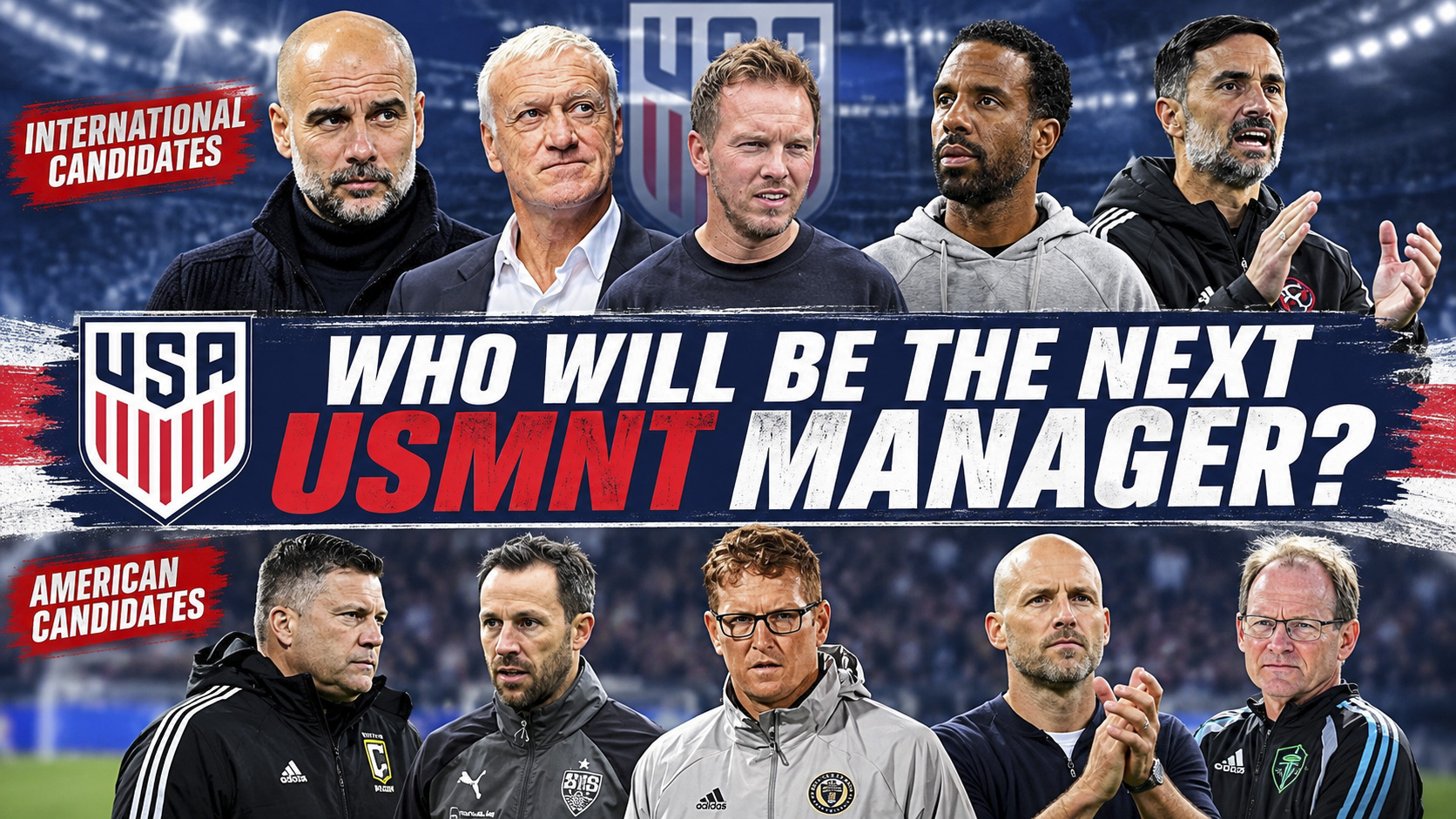
Hopefully, US Soccer recognizes the value of having a high-profile manager and pursues another big name like Pep Guardiola, Didier Deschamps or Julian Nagelsmann. My gut, however, tells me they’ll pivot back toward an American coach or an experienced MLS manager like Wilfried Nancy.
Another intriguing option is Marko Mitrović, former U19, U20 and U23 USMNT manager and current New England Revolution coach. He already has experience working with many of the young players in the current player pool.
Here’s a look at some of the most likely American candidates to become the next USMNT manager.
Michael Bradley (39)
I truly believe Michael Bradley will someday manage the USMNT. His soccer intelligence, leadership qualities, and playing experience across Europe and MLS give him both an international perspective and a deep understanding of American soccer culture. However, Bradley likely projects more as a candidate for the 2034 cycle at the earliest and he still needs time to develop at the club level.
B. J. Callaghan (45)
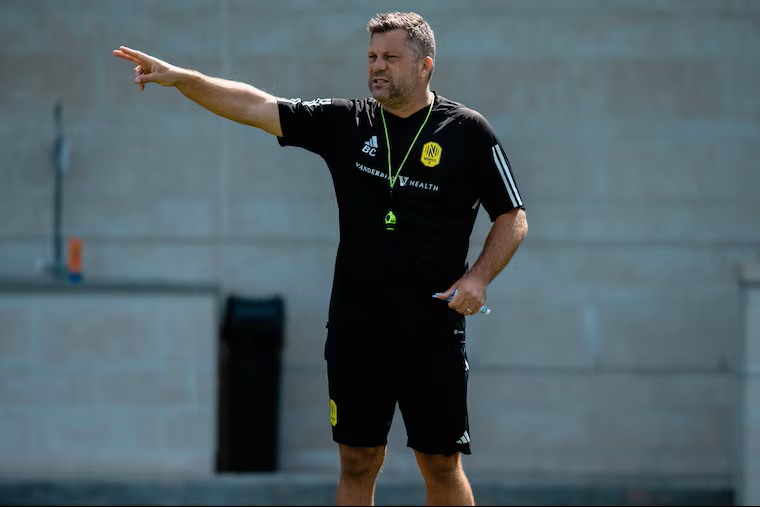
It would be difficult not to include B.J. Callaghan after the positive impression he made as interim USMNT manager. Coming off an MLS-best record and Supporters’ Shield title, Callaghan continues to demonstrate his ability to prepare and get the most out of his teams despite a relatively limited managerial résumé. He earned the trust of the players and fans by delivered strong performances during his time with the national team. If the position opens again, U.S. Soccer would almost certainly explore his interest.
Steve Cherundolo (47)
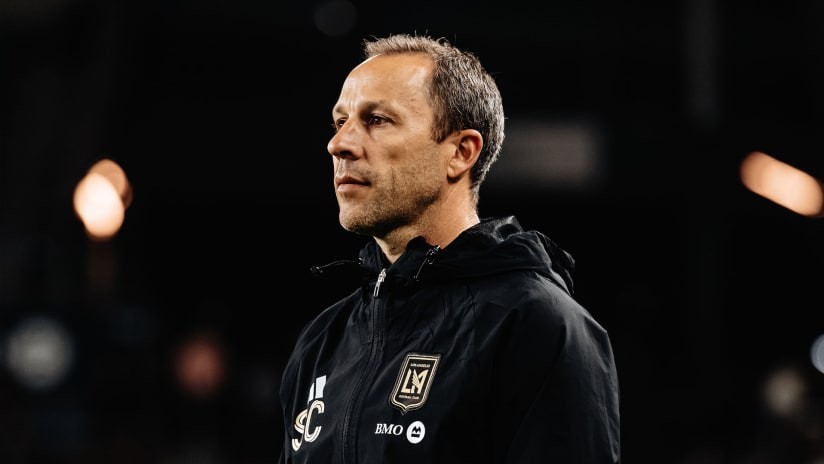
Steve Cherundolo may be one cycle away from becoming a serious candidate, especially after recently leaving MLS to return to Germany. Still, his experience as both a player and manager at high levels of the game makes him someone U.S. Soccer should strongly consider.
Jim Curtin (47)
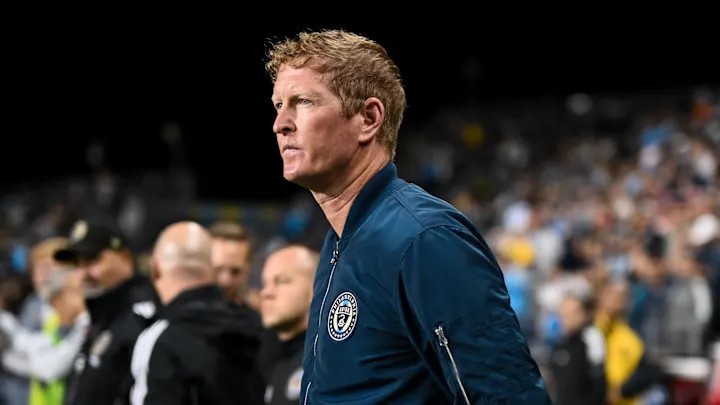
If Pochettino can be convinced to leave the #USMNT, perhaps newly appointed Austin FC manager Jim Curtin could also be persuaded to make the move if U.S. Soccer views him as the right fit. His success with the Philadelphia Union, highlighted by winning the 2020 Supporters’ Shield, showcased his ability to build a strong team culture and maximize the talent at his disposal.
Pellegrino Matarazzo (48)
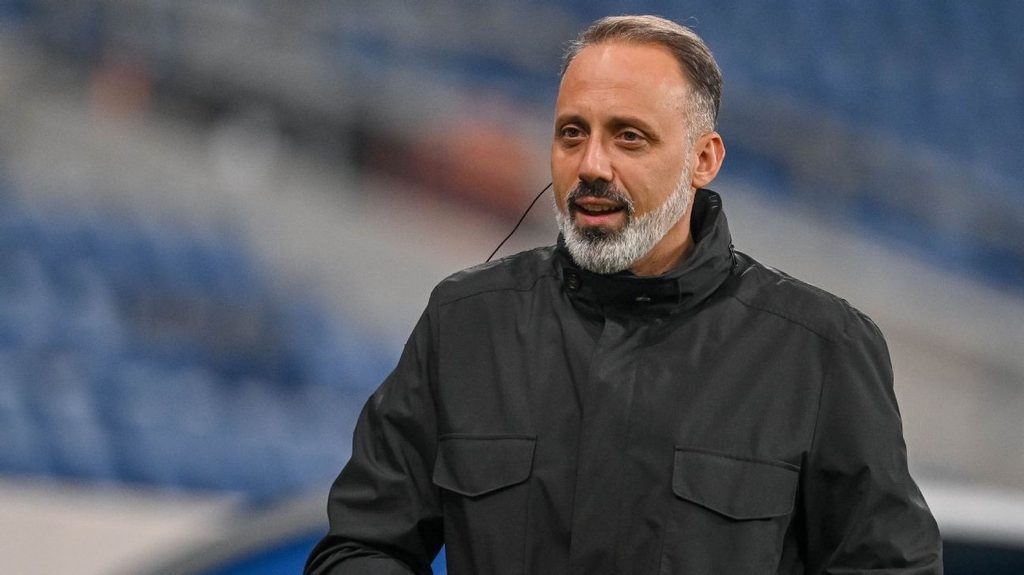
I’m not convinced U.S. Soccer would seriously pursue Pellegrino Matarazzo, but hopefully I’m wrong. His success coaching in Europe has made him one of the most respected American-born managers in the game and a popular choice among many fans for the future of the USMNT.
Brian Schmetzer (63)
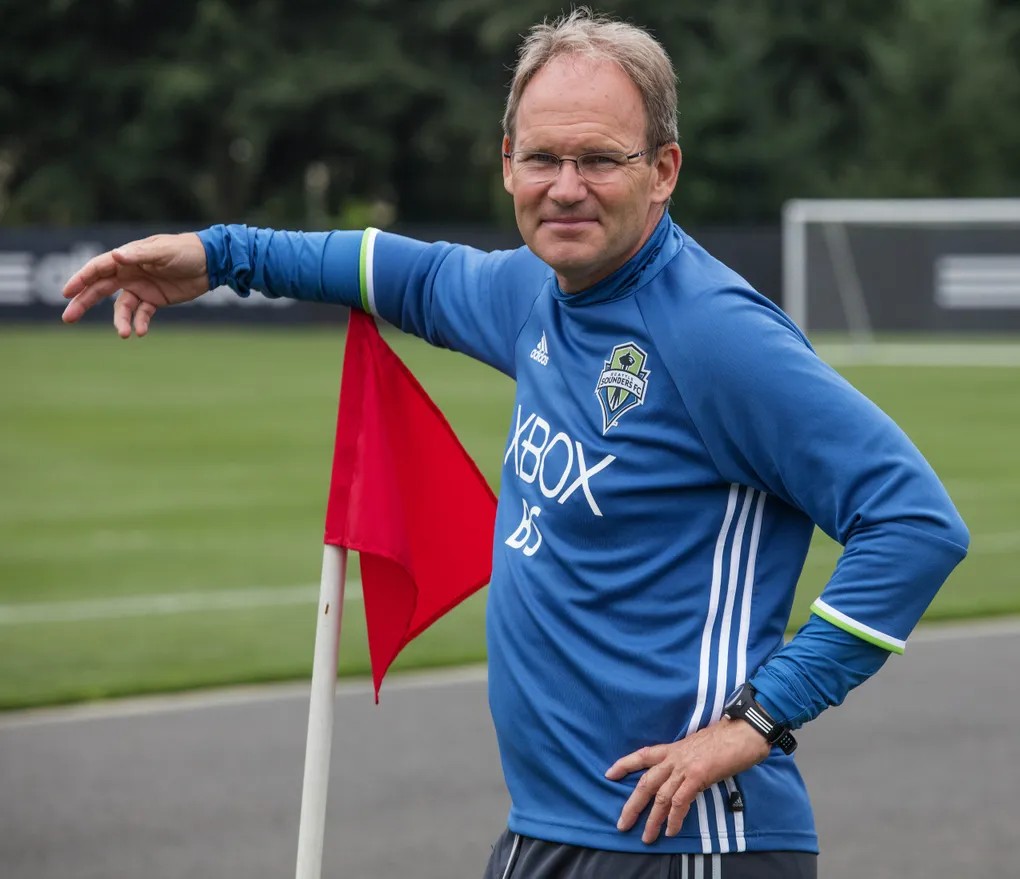
With eight trophies to his name, Brian Schmetzer may be one of the strongest and most accomplished domestic candidates available. His biggest achievement came when he led Seattle Sounders FC to the 2022 CONCACAF Champions League title, becoming the first MLS club to win the tournament under its modern format.
Peter Vermes (59)
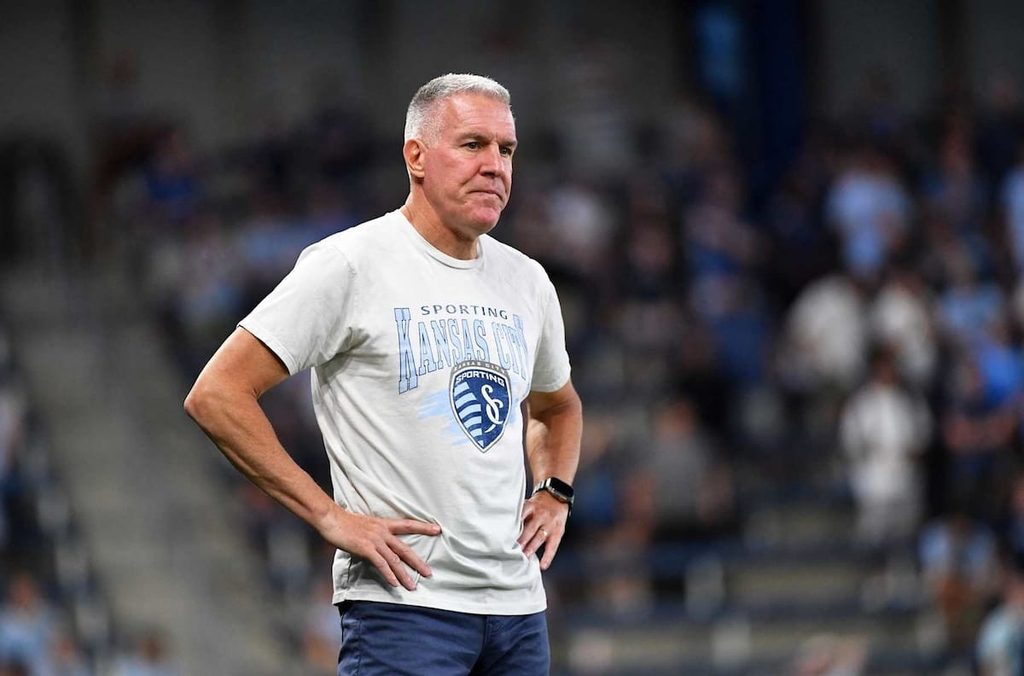
Former USMNT striker Peter Vermes deserves consideration given his success at Sporting KC, where he won four trophies as a manager. Vermes previously turned down interest from U.S. Soccer, but with him no longer actively coaching at club level, the timing could finally align for a move into the international game.
The Importance of Having a Succession Plan
The next USMNT manager could inherit a player pool filled with established veterans and exciting young talent, but U.S. Soccer’s vision and priorities have shifted frequently between cycles. If Pochettino is indeed leaving, that could send the federation in a different direction with its next hire.
My hope is that the long-term vision remains consistent with the approach heading into the 2022 World Cup. Given that Pochettino’s contract reportedly included a $10 million buyout clause, you would hope U.S. Soccer had contingency plans and potential replacements in mind. In recent cycles, the federation has appeared less prepared with backup options than it was in the past. How quickly U.S. Soccer moves will be important, but the search cannot drag on indefinitely. A process lasting a few months is reasonable, provided the federation identifies the right candidate well ahead of the next major FIFA window.
USMNT
The Next USMNT Star That Never Was: Revisiting America’s Biggest Teenage Prospects
USMNT
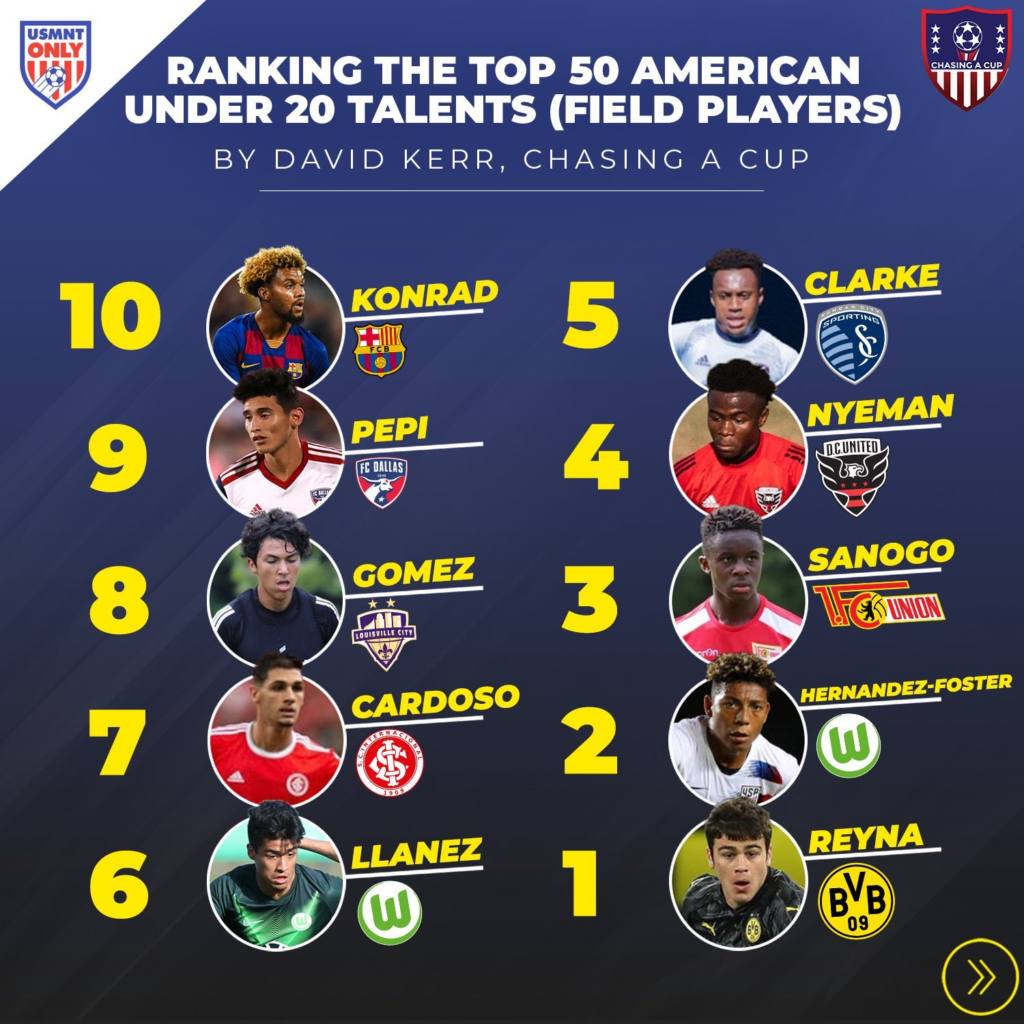
Building the Next Generation: Who Should Be on Pochettino’s USMNT Radar?


Will the Next USMNT Manager Be American?

The Next USMNT Star That Never Was: Revisiting America’s Biggest Teenage Prospects

Building the Next Generation: Who Should Be on Pochettino’s USMNT Radar?

-
 Club News6 years ago
CJ dos Santos, Benfica
-
 USMNT2 years ago
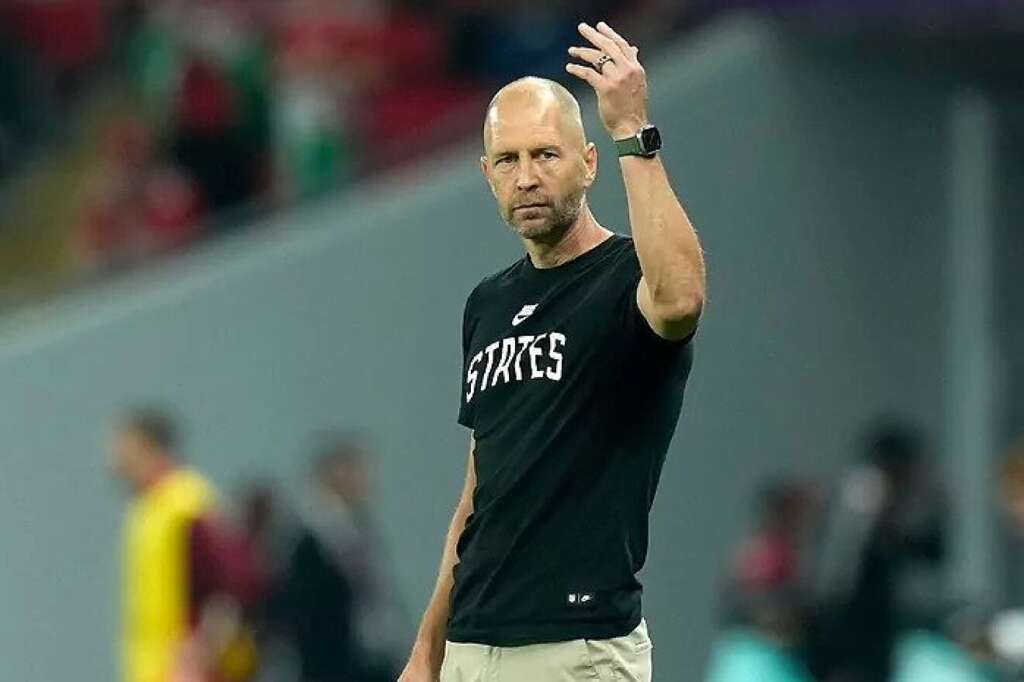
Gregg Berhalter’s Legacy
-
 Club News6 years ago
Give: Support Chasing a Cup by Supporting our Cause
-
 USMNT2 years ago
Medals on their Minds
-
 Club News7 years ago
Julian Vincente Araujo
-

 Club News2 years ago
American Transfers: Stock Up & Stock Down
-
 USMNT3 years ago
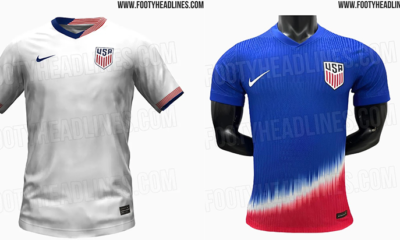
USMNT Kits Come in Different Styles and Colors
-
USMNT4 years ago
World Cup Format History