

USMNT
Tyler Adams, Irreplaceable MVP
Tyler Adams has been blossoming under Nagelsmann at RB Leipzig this season. I made a data visualization to highlight Adams’ strengths & will analyze how this data translates on the pitch and to his roles for Leipzig and USMNT.

To clarify, Adams has played a good amount of time in the right back and wingback position for Leipzig. In many cases, he’s played both defensive midfielder and fullback in games. However, I am going to be focusing on his data and play from the defensive midfield role, since that is what he plays for the USMNT.
Defense

Adams’ main job is to disrupt offensive play whether it is through stopping counters or shielding the backline. Adams is where you want him to be when it comes to interceptions and tackling numbers, in the upper right quartile. Averaging 1.5 interceptions and 2.52 tackles per 90. They aren’t mind-blowing numbers but they are solid.

While his defensive numbers aren’t mind-blowing, he is one of the most secure tacklers in the league at his position. Coming in at 6th in the league for the percentage of dribblers tackled. He may not make the most tackles in the league but he’s a strong, accurate tackler.
What data doesn’t show you is how good Adams is at reading the game, anticipating threats, and denying space to attackers. He doesn’t allow attackers time and space on the ball. A great example of this below. Adams recognizes that the space in the middle of the pitch right above the penalty box is open. This area, zone 14, is the biggest threat to a defense and must be protected at all costs. So what does he do? He immediately presses and closes off the angle towards the middle not allowing the attacker any time and space to turn and attack towards goal.
In this second example, Tyler knows he can’t let the Frankfurt attacker turn because he will have plentiful space to carry the ball towards goal. At the same time, there is another Frankfurt attacker making a run in behind the defense that the player with the ball could pass to. With Tyler’s quick recognition and the physical athleticism to match it, he extinguishes the threat as quick as it appeared.
Instead of leaving his centre-back in a 1v1 scenario with Mane, Adams recognizes the opportunity for a trap. He immediately runs over to force Mane down to the corner, triggering the trap. No fancy slide tackles, just recognizing how to deny Mane space to attack.
Adams’ reading of the game is so good that in most cases he doesn’t have to make tackles or interceptions to win possession back for his team. Closing down and denying attackers space is his specialty. This is a skill and ability that is invaluable to any team under any coach.
This ability that Tyler has is a combination of quick reading of the game with lighting acceleration to close down his opponents. It’s mind and matter. Many players have speed, acceleration, quickness, athleticism but rarely have it combined with a mind that is just as fast at reading the game, recognizing threats, and reacting to them properly. This is what makes Tyler Adams so valuable to know only his club team but his national team as well.
Possession
On to perhaps Tyler’s most overlooked aspect of his game. His contribution in the build-up. Adams gets 78.4 touches per 90, and carries the ball a total of 254.2 yards per 90. Adams is on the ball… a lot. He’s very much involved in and key to the Leipzig build up. Nagelsmann refers to Adams as his quarterback for a reason. In build up, everything starts and flows through him.

Often as the lone defensive midfielder in possession, Adams can’t afford to make a mistake or it exposes the entire team to a possible goal scoring opportunity for the opponents. His ball security is excellent and a big reason why he is tied for 7th in Pass Completion Percentage, 86.1%, out of all midfielders in the Bundesliga.
Passing

Adams’ job for Leipzig is to beat that first line of defense with a pass or dribbling. He’ll often make himself available as an outlet when the team wins the ball and starts the build-up. He’s also available to recycle and circulate play when in the attacking phase. Progressing the ball from the defense to the midfield was an area that the USMNT really struggled in against Honduras.
This is an example of Tyler dropping back and making himself available and playing a pass into the attacking third. Beating not only the first but also the second line of defense.
Here’s an example of Tyler making himself available to recycle play and it ends up being a goal-scoring opportunity with a nice through ball from him.
This leads me to another underrated aspect of Tyler’s game… his excellent on-the-ground passing. A common misconception of Tyler is that he isn’t a very good passer. This is simply, just not true. He’s improved his passing and decision-making with every season. He is capable of playing great line-breaking passes, on-the-ground through balls, and make these passes with both his feet. The video below showcases him making an excellent through ball with his weaker left foot.
Another example of his underrated on the ground through ball passing ability. He threads a brilliant through ball that immediately takes 5 opposing players out of the play.
Now, you might have noticed I kept saying “on-the-ground.” It’s because while he’s very comfortable and fantastic at playing passes on-the-ground, it’s the over-the-top or in-the-air long passes that he struggles with. A skill, that if he improves it, could elevate him to the next level.
Conclusion
If there was one word to describe Adams it would be safe. If Adams were an attacker, that wouldn’t be a good thing. But as a lone defensive mid, safe is everything. Adams makes little to no mistakes. He plays simple but effective football. He’s smart, disciplined, and consistent.
Currently, Adams is irreplaceable for the USMNT. There is no one in the current pool that provides a fraction of what he provides for the USMNT and is anywhere near his level. This was clearly evident in the Nations League match against Honduras. While USMNT depth is deep at several positions, the #6 role is one that is severely lacking. Adams is one of the few players that the USMNT can’t afford to lose for competitive matches.
Since Tyler Adams has been a part of the national team picture, the USMNT has lost twice to Mexico and won once. The one time the US won was when Tyler Adams played. While there are other variables involved in these games, the impact of Adams playing against Mexico can’t be denied.
El Tri has a blistering counterattack under Tata Martino led by lightning Chucky Lozano and Diego Lainez. The transitional defense of the USMNT has been poor under Berhalter but having Tyler Adams disrupting the counters can make up for not all but some of the tactical deficiencies. Adams’ defensive awareness, positional soundness, passing, and athleticism will all be crucial to have for Mexico.
Adams is perhaps the smartest (Soccer IQ) player USMNT currently has. No one reads and understands the game as well as he does. No one is able to process information and act accordingly mid-game as quickly as he is able to. No one is able to close down attackers and deny space as rapidly as him. Tyler is the most important player for the USMNT as of right now.
Every winning team, club or international, has a superb defensive midfielder. The USMNT is lucky to have Adams who at his ripe age of 22 is already proving to be one of the best young defensive midfielders in not only the Bundesliga, but the world. Adams has an incredible hunger to learn and improve which is why he will only continue to grow and excel with every passing year.
Tyler Adams may not grab all the headlines and may not have the flashiest highlight reels but his importance to the USMNT can’t be overstated.





USMNT
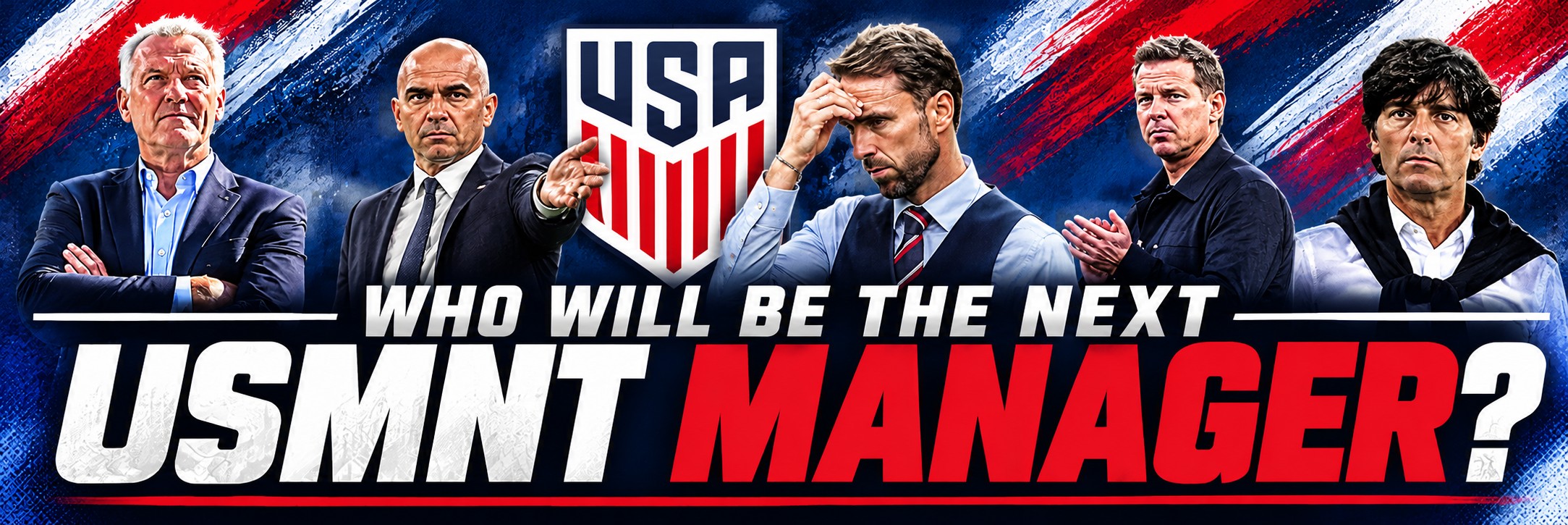
A New Era for the USMNT: Who Should Replace Mauricio Pochettino?
Thomas Deschaine (@uskeeper on X and us_keeper on Instagram)
What goes into hiring the next international manager? For some nations, the process takes days or weeks. For US Soccer, it has twice taken longer to hire a replacement than it did to eventually rehire the same manager.
With Mauricio Pochettino officially set to depart following the November window, US Soccer is reportedly already gauging the interest of several candidates for the 2030 cycle.
Pep Guardiola has been a popular choice among fans, but he has made it clear he wants a year away from coaching. Would US Soccer be willing to wait until the 2027 Gold Cup to bring him or another top-tier manager aboard? With Concacaf World Cup Qualifying beginning in the September/October 2027 window, ideally, the next manager would be in place well before then.
Another important consideration is the style of play. Pochettino’s free-flowing approach allowed the USMNT to play dynamically against lesser opponents, but questions remain about its effectiveness against the world’s top teams.
Let’s take a closer look at the high-profile, unattached managers US Soccer could, and should, be talking to about leading the USMNT into the 2030 cycle.
If you are interested in my American candidates, you can find that information here. https://chasingacup.com/will-the-next-usmnt-manager-be-american/
Julian Nagelsmann – 39 – German – Unattached
23 Wins, 7 Draws and 7 Losses

The former German center back and Germany manager (2023–2026) is another prominent candidate for US Soccer to explore. Nagelsmann has also managed TSG Hoffenheim and Bayern Munich, winning three trophies between the two clubs, along with several youth titles with TSG Hoffenheim’s U19 side. His experience at both the club and international levels makes him an interesting name in the USMNT coaching search.
Major international tournament results
Euro 2024: Quarterfinalist (lost to Spain).
2025 Nations League: Fourth place.
2026 World Cup: Eliminated by Paraguay in the Round of 32.
Roberto Martinez – 53 – Spanish – Unattached
86 Wins, 22 Draws and 17 Losses
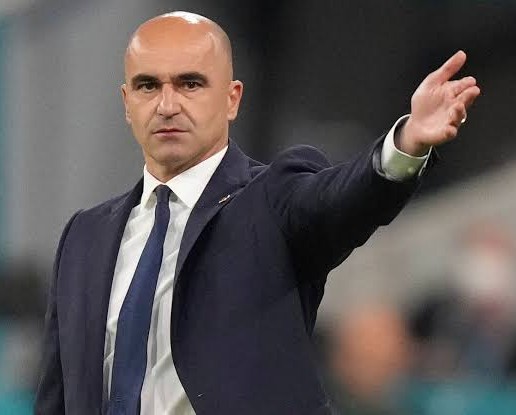
Martínez’s last two managerial positions have been with top international nations, Belgium (2016–2022) and Portugal (2023–2026). While he may not be a popular choice among USMNT fans, he clearly brings the international experience many believe is essential.
His résumé includes a Nations League title and a World Cup third-place finish, demonstrating his ability to manage elite talent and navigate major tournaments. The bigger question is whether he can translate that experience into trophies and elevate the USMNT to the next level.
Major international tournament results
Belgium (2016–2022)
2018 World Cup: Third place, defeating England 2–0.
Euro 2020: Quarterfinalist, eliminated by eventual champions Italy.
2022 World Cup: Eliminated in the group stage.
Portugal (2023–2026)
Euro 2024: Quarterfinalist, eliminated by France on penalties.
2025 Nations League: Champion – Defeated Spain in the final on penalties.
2026 World Cup: Round of 16, eliminated by Spain.
Gareth Southgate – 56 – English – Unattached
61 Wins, 24 Draws and 17 Losses
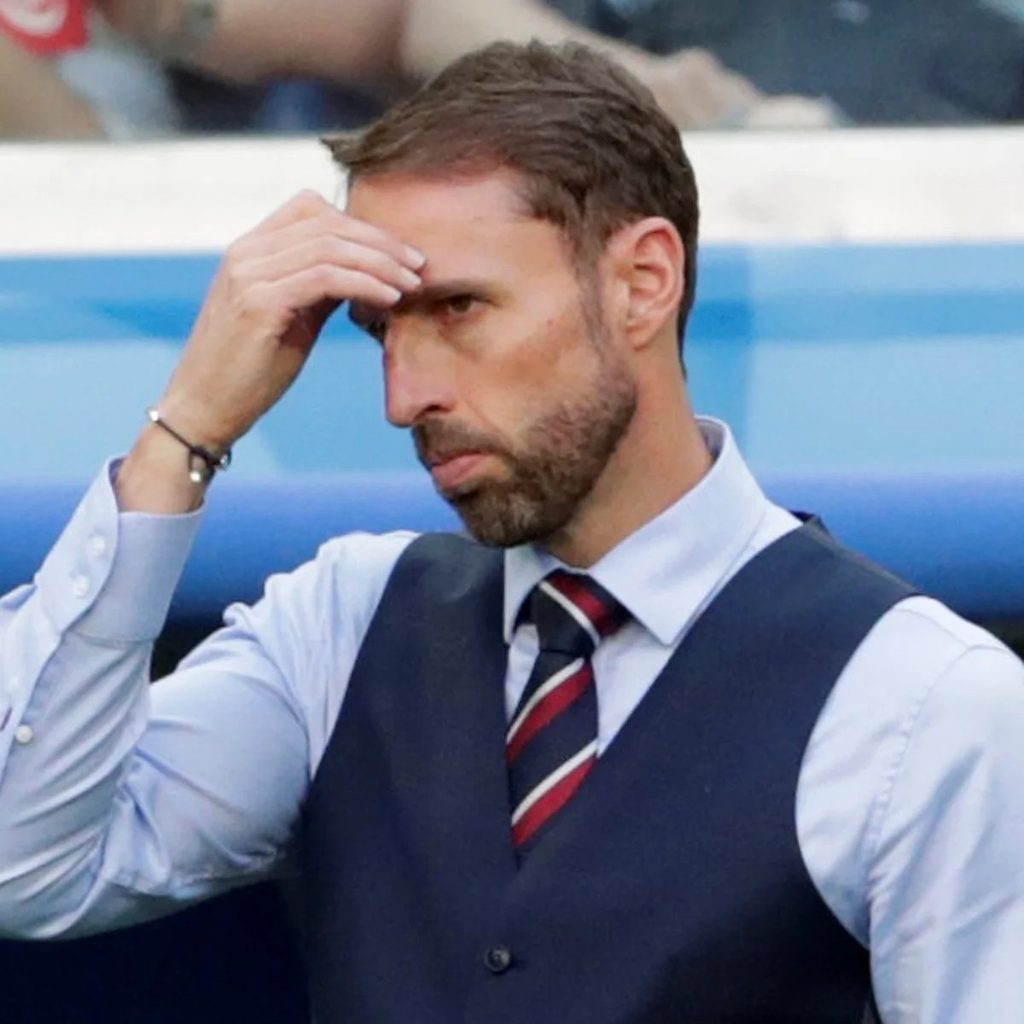
Southgate’s résumé is interesting because of his tournament consistency, but his record also raises questions about getting teams over the finish line. Southgate’s tactical approach can be conservative and reminiscent of Berhalter’s style, which may not be the best fit for this USMNT based on its recent success.
For the United States, his experience managing England’s talented generation would be relevant. However, his tactical approach, ability to maximize attacking talent and limited club experience are important considerations.
Major international tournament results
2018 World Cup: Fourth place. Lost to Croatia in the semifinals.
Euro 2020: Runners-up. Lost to Italy on penalties in the final.
2022 World Cup: Quarterfinalist. Lost 2–1 to France.
Euro 2024: Runners-up. Lost 2–1 to Spain in the final.
Didier Deschamps – 58 – French – Unattached
119 Wins, 35 Draws and 28 Losses
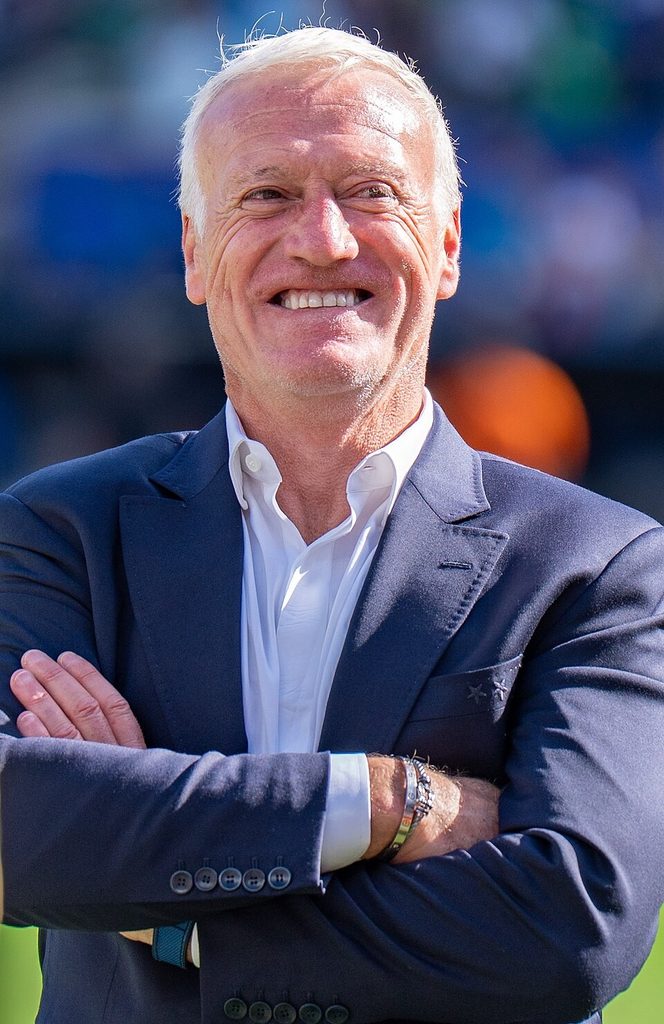
Deschamps offers something very few available managers can match: a World Cup championship as both a player and a manager. He understands what it takes to build a team capable of winning the biggest international tournament.
For the USMNT, his experience managing different generations of elite players and navigating knockout competitions would be particularly relevant.
Major international tournament results
2014 World Cup: Quarterfinalist. Lost to eventual champions Germany.
Euro 2016: Runners-up. Lost 1–0 to Portugal in extra time.
2018 World Cup: Champion – Defeated Croatia 4–2 in the final.
Euro 2020: Round of 16. Eliminated by Switzerland on penalties.
2022 World Cup: Runners-up. Lost to Argentina on penalties after a 3–3 final.
Euro 2024: Semifinalist. Lost 2–1 to eventual champions Spain.
2025 Nations League: Third place. Defeated Germany 2–0.
2026 World Cup: Fourth place. Lost to Spain in the semifinal and England in the third-place match.
Joachim Löw – 66 – German – Unattached
124 Wins, 40 Draws and 34 Losses
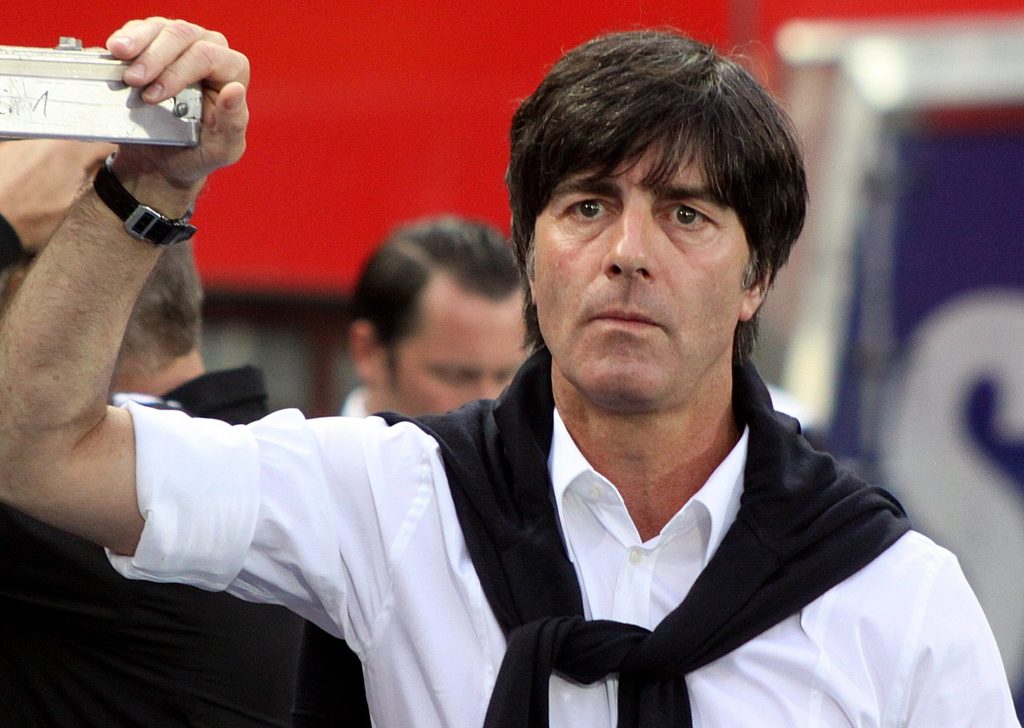
Löw has the credentials of a World Cup-winning manager, and his experience building Germany into a championship team is particularly relevant to what the United States wants to accomplish. There are questions that need to be asked of Löw.
Can he still adapt to the modern international game after being away from coaching for five years?
Would he have the same enthusiasm for building a program rather than taking over an established contender?
Major international tournament results
Euro 2008: Runners-up. Lost 1–0 to Spain in the final.
2010 World Cup: Third place. Defeated Uruguay 3–2.
Euro 2012: Semifinalist. Lost to Italy 2–1.
2014 World Cup: Champion Defeated Argentina 1–0 in extra time.
Euro 2016: Semifinalist. Lost to France 2–0.
2017 Confederations Cup: Champion Defeated Chile 1–0.
2018 World Cup: Group-stage elimination. Germany finished last in its group.
Euro 2020: Round of 16. Lost 2–0 to England in his final match as Germany manager.
Other Unattached Managers Worth Considering
The managers listed above all have recent international coaching experience and profile as strong candidates. However, there are several other currently unattached managers worth considering as potential options for the USMNT.
Diego Alonso – 51 – Argentine
Sebastián Beccacece – 45 – Argentine
Sérgio Conceição – 51 – Portuguese
Erik ten Hag – 56 – Dutch
Eddie Howe – 49 – English
Wilfred Nancy – 49 – French
USMNT
Will the Next USMNT Manager Be American?
Thomas Deschaine (@uskeeper on X and us_keeper on Instagram)
I said after Mauricio Pochettino’s extension that I didn’t expect him to make it through the 2030 cycle as #USMNT manager, whether due to results or another club offering him a deal he couldn’t refuse. However, I never expected things to reach this point so close to the start of the cycle.
In some ways, the timing might not be the worst, provided US Soccer can quickly interview and hire a replacement well before the March FIFA window. That said, I was really starting to buy into Pochettino’s vision and his commitment to building the #USMNT around youth.
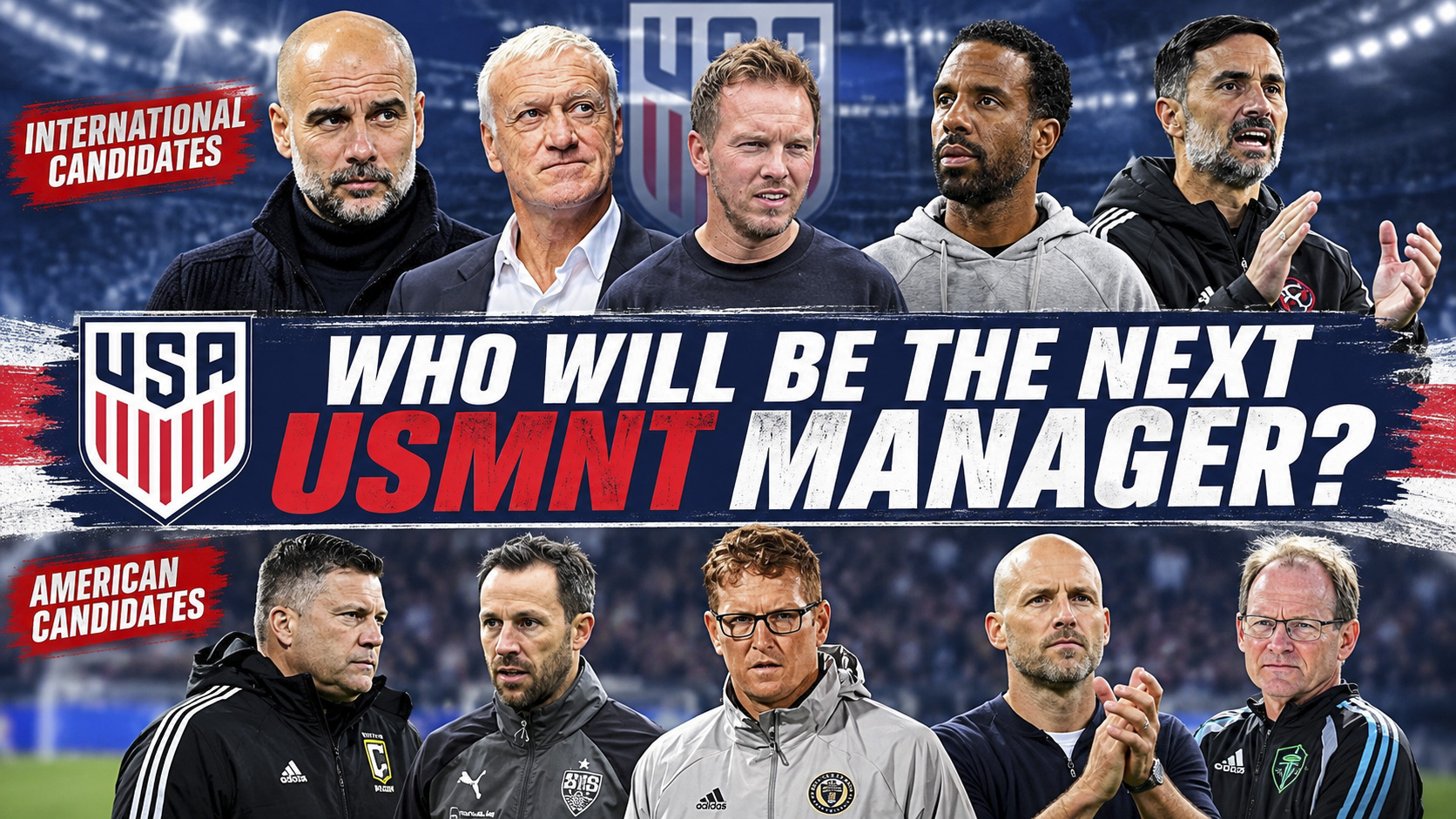
Hopefully, US Soccer recognizes the value of having a high-profile manager and pursues another big name like Pep Guardiola, Didier Deschamps or Julian Nagelsmann. My gut, however, tells me they’ll pivot back toward an American coach or an experienced MLS manager like Wilfried Nancy.
Another intriguing option is Marko Mitrović, former U19, U20 and U23 USMNT manager and current New England Revolution coach. He already has experience working with many of the young players in the current player pool.
Here’s a look at some of the most likely American candidates to become the next USMNT manager.
Michael Bradley (39)
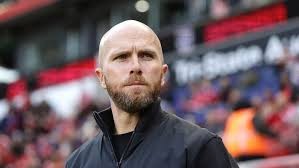
I truly believe Michael Bradley will someday manage the USMNT. His soccer intelligence, leadership qualities, and playing experience across Europe and MLS give him both an international perspective and a deep understanding of American soccer culture. However, Bradley likely projects more as a candidate for the 2034 cycle at the earliest and he still needs time to develop at the club level.
B. J. Callaghan (45)
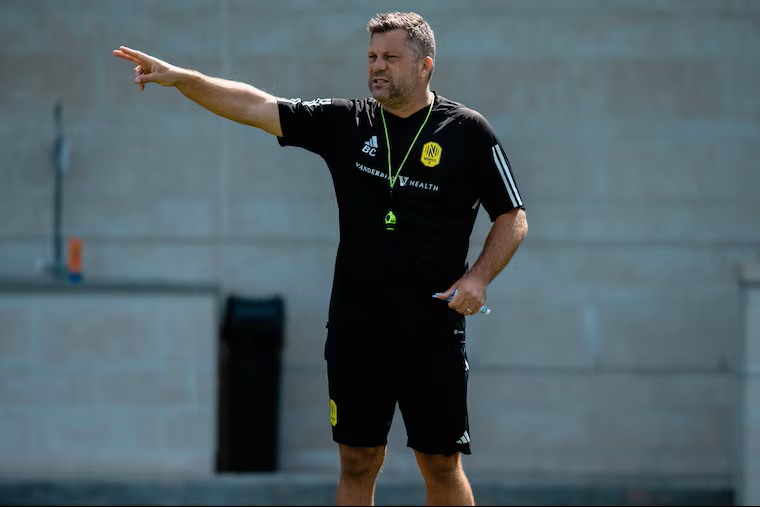
It would be difficult not to include B.J. Callaghan after the positive impression he made as interim USMNT manager. Coming off an MLS-best record and Supporters’ Shield title, Callaghan continues to demonstrate his ability to prepare and get the most out of his teams despite a relatively limited managerial résumé. He earned the trust of the players and fans by delivered strong performances during his time with the national team. If the position opens again, U.S. Soccer would almost certainly explore his interest.
Steve Cherundolo (47)
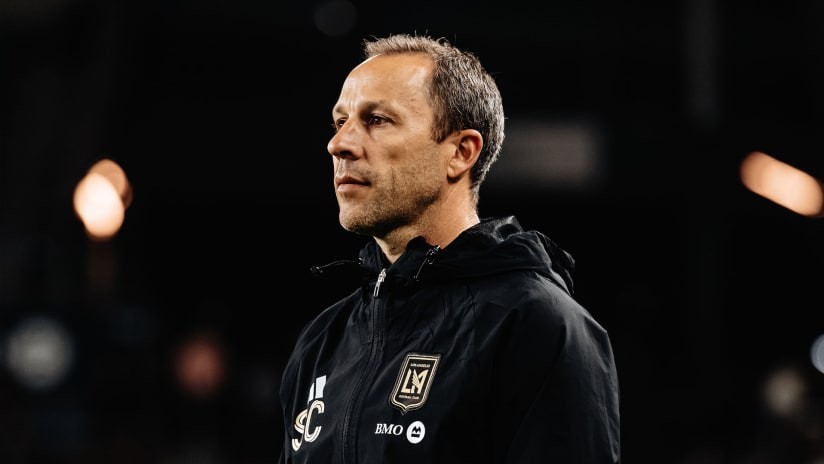
Steve Cherundolo may be one cycle away from becoming a serious candidate, especially after recently leaving MLS to return to Germany. Still, his experience as both a player and manager at high levels of the game makes him someone U.S. Soccer should strongly consider.
Jim Curtin (47)
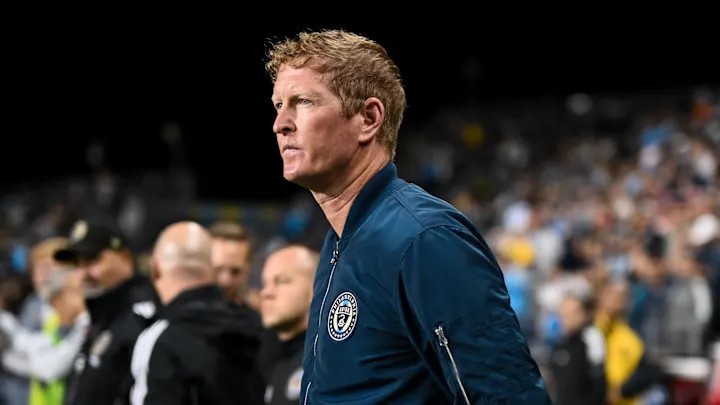
If Pochettino can be convinced to leave the #USMNT, perhaps newly appointed Austin FC manager Jim Curtin could also be persuaded to make the move if U.S. Soccer views him as the right fit. His success with the Philadelphia Union, highlighted by winning the 2020 Supporters’ Shield, showcased his ability to build a strong team culture and maximize the talent at his disposal.
Pellegrino Matarazzo (48)
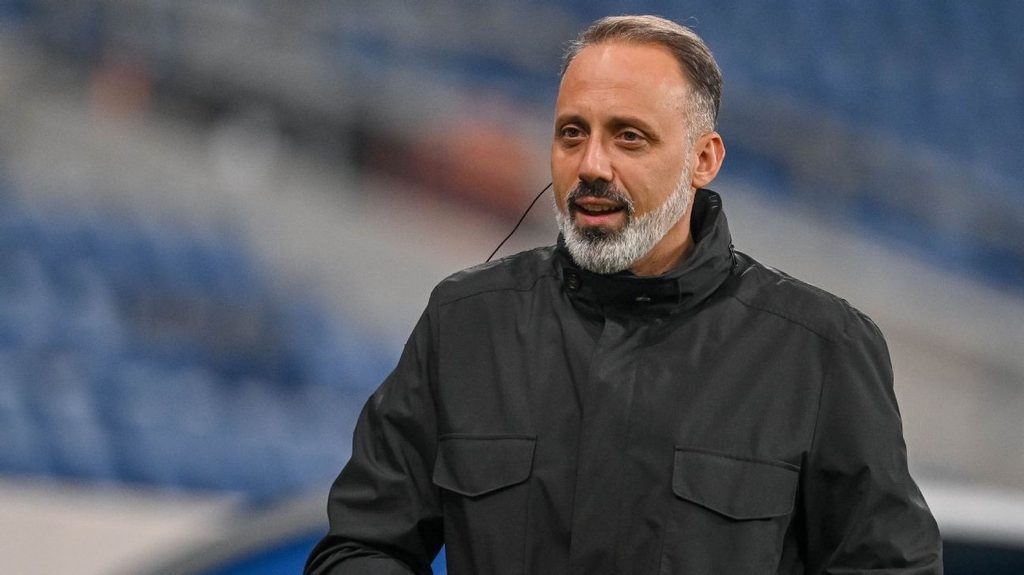
I’m not convinced U.S. Soccer would seriously pursue Pellegrino Matarazzo, but hopefully I’m wrong. His success coaching in Europe has made him one of the most respected American-born managers in the game and a popular choice among many fans for the future of the USMNT.
Brian Schmetzer (63)
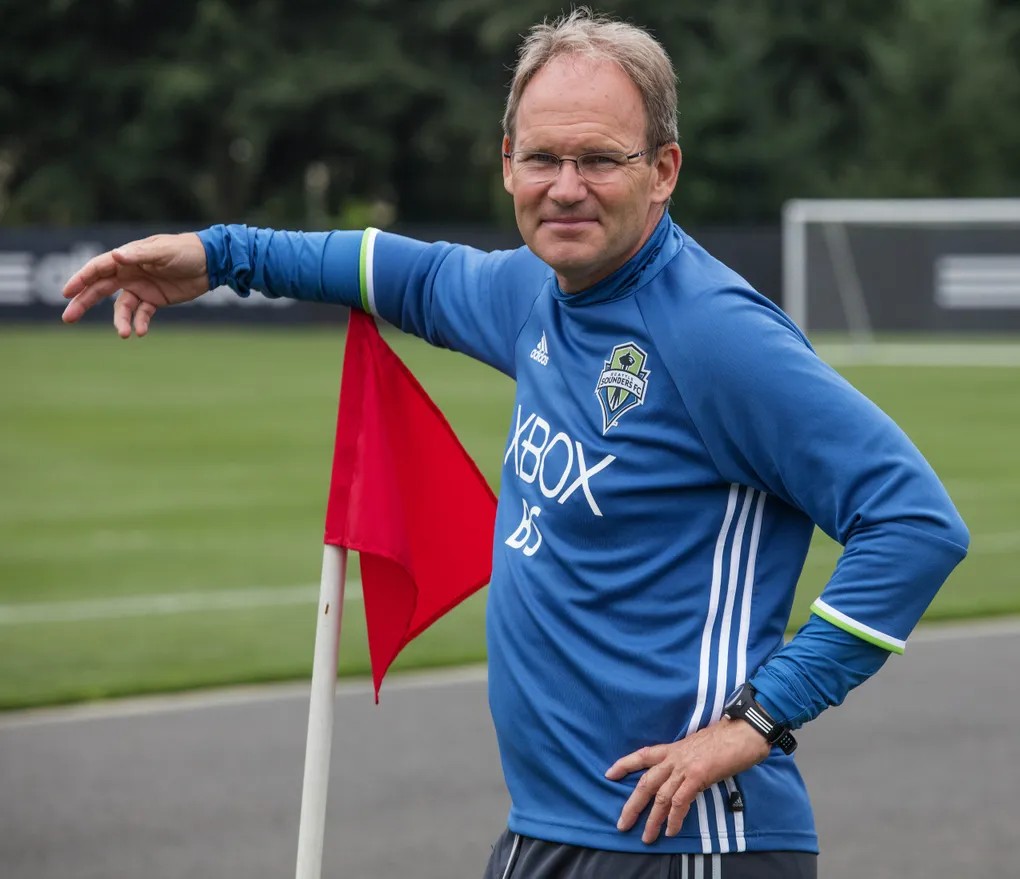
With eight trophies to his name, Brian Schmetzer may be one of the strongest and most accomplished domestic candidates available. His biggest achievement came when he led Seattle Sounders FC to the 2022 CONCACAF Champions League title, becoming the first MLS club to win the tournament under its modern format.
Peter Vermes (59)
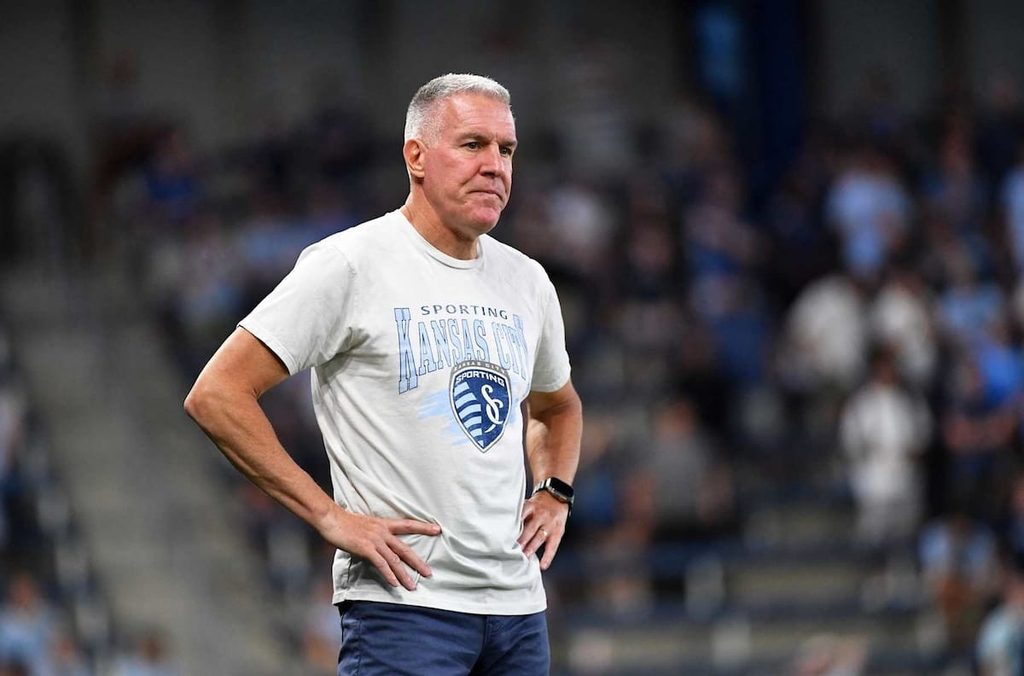
Former USMNT striker Peter Vermes deserves consideration given his success at Sporting KC, where he won four trophies as a manager. Vermes previously turned down interest from U.S. Soccer, but with him no longer actively coaching at club level, the timing could finally align for a move into the international game.
The Importance of Having a Succession Plan
The next USMNT manager could inherit a player pool filled with established veterans and exciting young talent, but U.S. Soccer’s vision and priorities have shifted frequently between cycles. If Pochettino is indeed leaving, that could send the federation in a different direction with its next hire.
My hope is that the long-term vision remains consistent with the approach heading into the 2022 World Cup. Given that Pochettino’s contract reportedly included a $10 million buyout clause, you would hope U.S. Soccer had contingency plans and potential replacements in mind. In recent cycles, the federation has appeared less prepared with backup options than it was in the past. How quickly U.S. Soccer moves will be important, but the search cannot drag on indefinitely. A process lasting a few months is reasonable, provided the federation identifies the right candidate well ahead of the next major FIFA window.
USMNT
The Next USMNT Star That Never Was: Revisiting America’s Biggest Teenage Prospects


A New Era for the USMNT: Who Should Replace Mauricio Pochettino?

Will the Next USMNT Manager Be American?

The Next USMNT Star That Never Was: Revisiting America’s Biggest Teenage Prospects
-
 Club News6 years ago
CJ dos Santos, Benfica
-
 USMNT2 years ago
Gregg Berhalter’s Legacy
-
 Club News6 years ago
Give: Support Chasing a Cup by Supporting our Cause
-
 USMNT2 years ago
Medals on their Minds
-
 Club News7 years ago
Julian Vincente Araujo
-

 Club News2 years ago
American Transfers: Stock Up & Stock Down
-
 USMNT3 years ago
USMNT Kits Come in Different Styles and Colors
-
USMNT4 years ago
World Cup Format History